

Why Every Woman Should Know About Uterine Fibroids
Why Every Woman Should Know About Uterine Fibroids
Why Every Woman Should Know About Uterine Fibroids
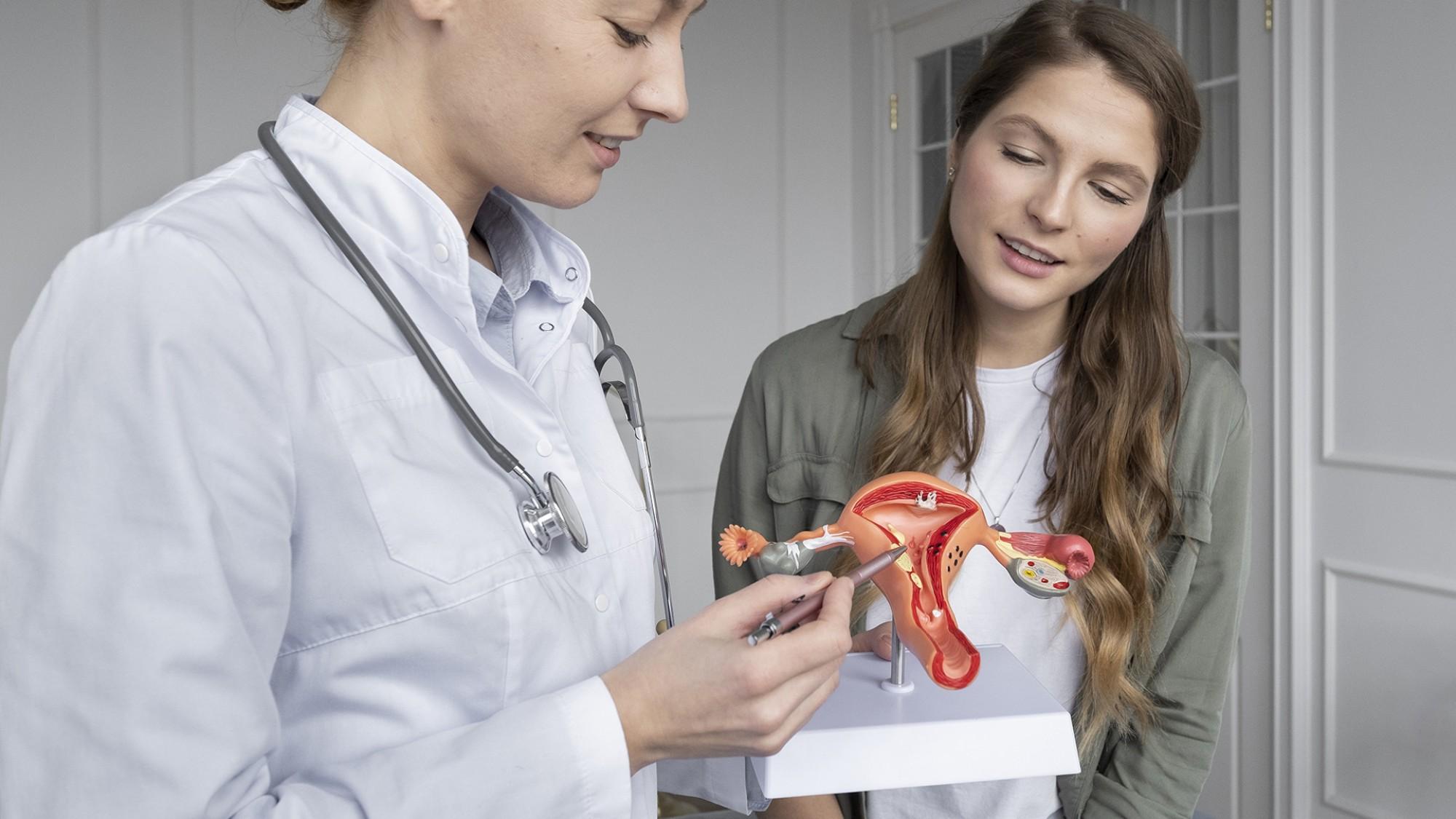
For many women, heavy periods, pelvic discomfort, or unexplained bloating are brushed aside as “normal” inconveniences of womanhood. Yet often, these symptoms are signs of one of the most common but under-discussed conditions in gynecology: uterine fibroids. These noncancerous growths in the uterus affect up to 70% of women by the age of 50, yet awareness about them remains surprisingly low. In Dubai and across the UAE, where women balance demanding lives and often delay seeking care, fibroids can silently grow for years, causing significant health issues that are both preventable and treatable. Knowing about fibroids, their symptoms, risks, and treatments is the first step to empowerment.
Fibroids are benign tumors that develop from the muscle tissue of the uterus. They vary in size, from tiny nodules invisible to the naked eye to large masses that distort the shape of the uterus. Some women may have a single fibroid, while others develop multiple. What makes fibroids particularly unpredictable is that while some cause no symptoms at all, others can lead to debilitating problems. Heavy or prolonged menstrual bleeding is one of the most common signs, sometimes leading to anemia. Pelvic pressure, frequent urination, constipation, and back pain are other frequent complaints. In some cases, fibroids interfere with fertility or complicate pregnancy, increasing risks of miscarriage or preterm labor.
Despite their prevalence, fibroids remain surrounded by myths. Many women assume they are rare or always cancerous, but neither is true. Fibroids are extremely common, and the vast majority are noncancerous. Another misconception is that hysterectomy — removal of the uterus — is the only solution. In reality, treatment options have expanded dramatically in recent years, offering women choices that preserve fertility and minimize disruption. The danger lies not in the fibroids themselves but in the silence that keeps women from seeking timely care.
Risk factors for fibroids include family history, early onset of menstruation, obesity, and hormonal imbalances. Women of African and Middle Eastern descent are also found to have higher rates. Because fibroids are hormone-sensitive, they tend to grow during the reproductive years and shrink after menopause. In the UAE, where many women delay childbearing into their 30s or 40s, fibroids often coincide with years when fertility is already more challenging, compounding emotional and medical stress.
Diagnosis is straightforward. Ultrasound is usually the first step, providing clear images of fibroid size and location. MRI may be used for detailed mapping when surgery is being considered. Once diagnosed, treatment depends on the woman’s symptoms, age, reproductive goals, and overall health. For women with no symptoms, regular monitoring may be all that’s needed. But for those with significant bleeding, pain, or fertility issues, a range of interventions is available.
Medications can help manage symptoms, particularly heavy bleeding. Hormonal treatments, such as birth control pills or intrauterine devices (IUDs), can reduce bleeding and pain, though they do not eliminate fibroids. Non-hormonal medications may also ease discomfort. For women seeking definitive treatment, surgery may be an option. Myomectomy, the surgical removal of fibroids while preserving the uterus, is ideal for women who still wish to conceive. Minimally invasive techniques, such as laparoscopic or hysteroscopic myomectomy, mean faster recovery and fewer complications.
Another increasingly popular option is uterine artery embolization (UAE), a procedure performed by interventional radiologists. By blocking the blood supply to fibroids, this technique causes them to shrink, reducing symptoms without major surgery. It is especially appealing to women who want to avoid long hospital stays and maintain their uterus. In Dubai, where advanced hospitals are equipped with cutting-edge technology, these minimally invasive options are widely available, providing women with greater choice and control.
The psychological burden of fibroids should not be underestimated. Women often normalize their symptoms for years, attributing fatigue to busy lifestyles or blaming heavy bleeding on stress. By the time they seek help, they may have endured anemia, missed work, or strained relationships. In some cultures, discussing menstrual health remains taboo, making it harder for women to voice their struggles. Breaking this silence is essential. Public health campaigns, educational workshops, and open conversations with doctors can shift fibroids from a hidden burden to a manageable condition.
Culturally sensitive care is key in the UAE’s diverse environment. Expat women may bring different expectations and knowledge levels about fibroids, while local women may prefer discreet consultations. Hospitals in Dubai, with multilingual teams and female specialists, are uniquely positioned to address these needs. By creating safe, supportive environments, they encourage women to seek care earlier and more confidently.
Ultimately, fibroids are a reminder that women’s health deserves attention beyond pregnancy and childbirth. These growths, though benign, can profoundly impact daily life, fertility, and emotional well-being. But they do not have to. With modern diagnostic tools and a wide spectrum of treatments, fibroids can be managed effectively, often with minimal disruption.
For every woman silently coping with heavy bleeding or unexplained fatigue, the message is clear: it does not have to be this way. Fibroids are common, treatable, and nothing to be ashamed of. By learning the facts, asking questions, and seeking care, women can reclaim their health and vitality. In Dubai, where healthcare excellence meets cultural sensitivity, the future of fibroid care is not one of suffering, but of solutions.
Fibroids may be common, but silence should not be. Awareness, action, and access to care transform this condition from a hidden struggle into a story of resilience and recovery. And for women everywhere, that knowledge is power.
Recent Posts



 04 406 3000
  04 406 3000
Quick Links
Legal
Working Hours
-
Out-patient Department
Monday to Saturday | 8 AM to 9 PM
Sunday | 10 AM to 6 PM
Emergency Department & Pharmacy | 24x7
Connect with us!




©2026 IMH. All Rights Reserved. Ministry of Health License No : TEBMJIU0-060622