

Sports Medicine for Adults Playing Hard Without Paying the Price
Sports Medicine for Adults Playing Hard Without Paying the Price
Sports Medicine for Adults Playing Hard Without Paying the Price
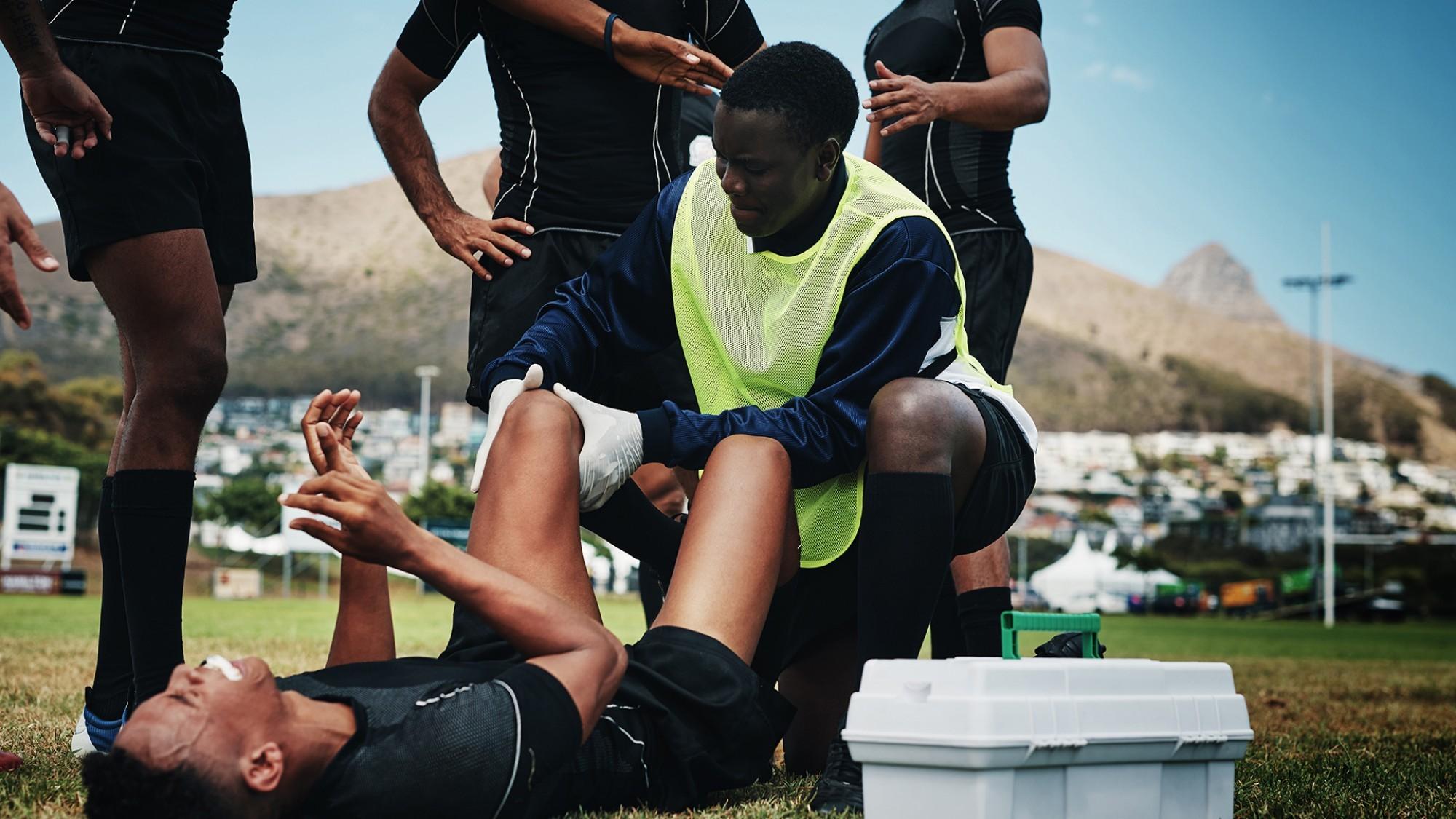
For many adults, sports are more than just hobbies. They’re stress relievers, social outlets, and sometimes even lifelong passions. Whether it’s weekend tennis, morning runs, or competitive football, staying active is essential for health. But as we age, our bodies don’t bounce back quite as easily. Injuries that once healed in days may now linger for weeks or turn into chronic problems.
Consider Sana, a 39-year-old marketing executive who joined a community running club. After months of training for her first marathon, she developed severe heel pain that made every step unbearable. What she thought was a “normal running ache” turned out to be plantar fasciitis, an overuse injury that, if ignored, could have sidelined her permanently.
Why Sports Injuries Happen in Adults
Unlike children and teens, adults often juggle work, family, and fitness. This means training may not always be consistent, warm-ups get skipped, and fatigue builds up. Common adult sports injuries include:
-
Knee problems: meniscus tears, patellar tendinitis (“jumper’s knee”), ligament injuries
-
Shoulder pain: rotator cuff tears, impingement from overhead sports
-
Ankle sprains & Achilles tendon injuries
-
Lower back pain from poor posture during exercise or weightlifting
-
Stress fractures from repetitive impact sports like running
How Sports Medicine Helps
Sports medicine isn’t just about treating injuries; it’s about keeping you active safely. Specialists combine orthopedic care, physiotherapy, and minimally invasive treatments to get athletes, both professional and recreational, back to their game.
Modern approaches include:
-
Physical therapy & rehabilitation: Strengthening weak muscle groups, improving flexibility, and correcting posture.
-
Minimally invasive surgery: Arthroscopy for ligament tears or cartilage damage.
-
Platelet-Rich Plasma (PRP) injections: For chronic tendon or ligament injuries.
-
Preventive programs: Personalized training modifications to prevent future injuries.
The Balance Between Passion & Prevention
Sana’s journey is a perfect example. Instead of giving up running, her sports medicine team designed a rehab plan with stretching, orthotic insoles, and a gradual return to running. Within three months, she was pain-free and preparing for her marathon again.
Tips for Adult Athletes
-
Warm up before and cool down after every activity.
-
Invest in the right gear, especially shoes with proper support.
-
Cross-train to reduce repetitive strain on the same joints.
-
Listen to your body — don’t push through sharp or persistent pain.
-
Get periodic check-ups with a sports medicine specialist.
The Takeaway
Playing sports as an adult isn’t just possible; it’s vital for long-term health. But staying in the game requires smart care. With the right guidance from sports medicine experts, you can play hard without paying the price of long-term injury.
Recent Posts


 04 406 3000
  04 406 3000
Quick Links
Legal
Working Hours
-
Out-patient Department
Monday to Saturday | 8 AM to 9 PM
Sunday | 10 AM to 6 PM
Emergency Department & Pharmacy | 24x7
Connect with us!




©2026 IMH. All Rights Reserved. Ministry of Health License No : TEBMJIU0-060622