

The Hidden Link Between Osteoporosis and Fractures Why Prevention Matters More Than Treatment
The Hidden Link Between Osteoporosis and Fractures Why Prevention Matters More Than Treatment
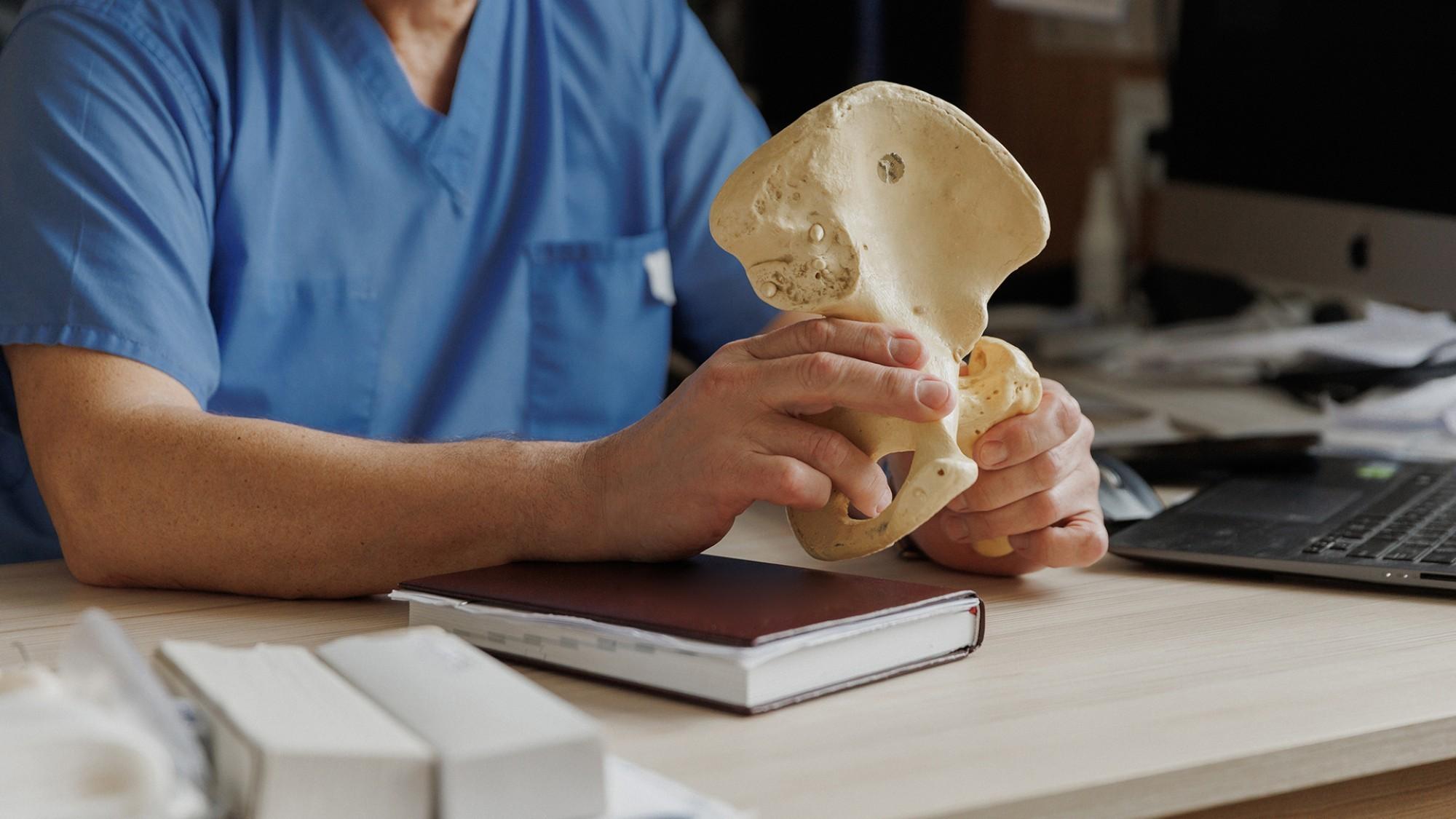
The Hidden Link Between Osteoporosis and Fractures: Why Prevention Matters More Than Treatment
We often think of fractures as accidents — a fall, a twist, or an unexpected impact. But for many adults, especially women after menopause, fractures are less about bad luck and more about an underlying silent condition: osteoporosis. Known as the “brittle bone disease,” osteoporosis gradually weakens bones, making them more fragile and prone to breaks. The worst part? It usually progresses without symptoms until the first fracture happens.
What Is Osteoporosis?
Osteoporosis is a condition where bone density decreases, and the bones become porous and fragile. A healthy bone has a honeycomb-like structure, but when osteoporosis sets in, the spaces inside the bone become larger, making it weaker and more likely to break.
This is why a simple slip on the floor or even lifting something heavy can result in a hip, spine, or wrist fracture in patients with osteoporosis.
Why It Matters More for Women
Women are at a much higher risk because of hormonal changes during menopause. Estrogen plays a protective role in bone health, and when levels drop, bone loss accelerates. Globally, 1 in 3 women over 50 will experience an osteoporotic fracture. But men are not safe either — 1 in 5 men over 50 will face the same issue.
The Connection Between Osteoporosis and Fractures
Fractures in osteoporotic patients are not just broken bones — they’re often life-altering. Hip fractures, for instance, can severely reduce mobility and independence. Spinal fractures may cause chronic back pain, loss of height, or a stooped posture.
What makes them more dangerous is that once you have one fracture due to osteoporosis, the risk of having another within the next 1–2 years increases dramatically.
Prevention Is the Real Cure
The good news? Osteoporosis and fracture risks can be managed with early detection and preventive care. Key steps include:
-
Bone Density Testing (DEXA scan): Detects osteoporosis early, before fractures happen.
-
Calcium & Vitamin D: Essential nutrients to keep bones strong.
-
Weight-Bearing Exercises: Walking, yoga, and light strength training improve bone density.
-
Lifestyle Choices: Avoid smoking, excess alcohol, and long-term inactivity.
Modern Treatments and Minimally Invasive Surgery
If fractures do occur, minimally invasive orthopedic techniques have transformed outcomes. Procedures like:
-
Vertebroplasty & Kyphoplasty: Stabilize spinal fractures with cement injection, reducing pain and improving mobility.
-
Minimally Invasive Hip Fixation or Replacement: Allows patients to walk again in days rather than months.
-
Arthroscopic Joint Surgeries: For small fractures or cartilage damage.
These advanced methods mean less blood loss, smaller scars, faster recovery, and lower infection risks.
Osteoporosis is silent, but its consequences aren’t. Fractures can limit independence, mobility, and overall quality of life, but they don’t have to. By combining early screening, lifestyle changes, and minimally invasive surgical options, patients can take control of their bone health before it’s too late.
If you’re over 50, or have a family history of osteoporosis, now is the time to act. Talk to your orthopedic specialist, get a bone density check, and take preventive steps today — because prevention truly matters more than treatment.
Recent Posts


 04 406 3000
  04 406 3000
Quick Links
Legal
Working Hours
-
Out-patient Department
Monday to Saturday | 8 AM to 9 PM
Sunday | 10 AM to 6 PM
Emergency Department & Pharmacy | 24x7
Connect with us!




©2026 IMH. All Rights Reserved. Ministry of Health License No : TEBMJIU0-060622