

How to Recover Faster from Sports Injuries with Minimally Invasive Orthopedic Surgery
How to Recover Faster from Sports Injuries with Minimally Invasive Orthopedic Surgery
How to Recover Faster from Sports Injuries with Minimally Invasive Orthopedic Surgery
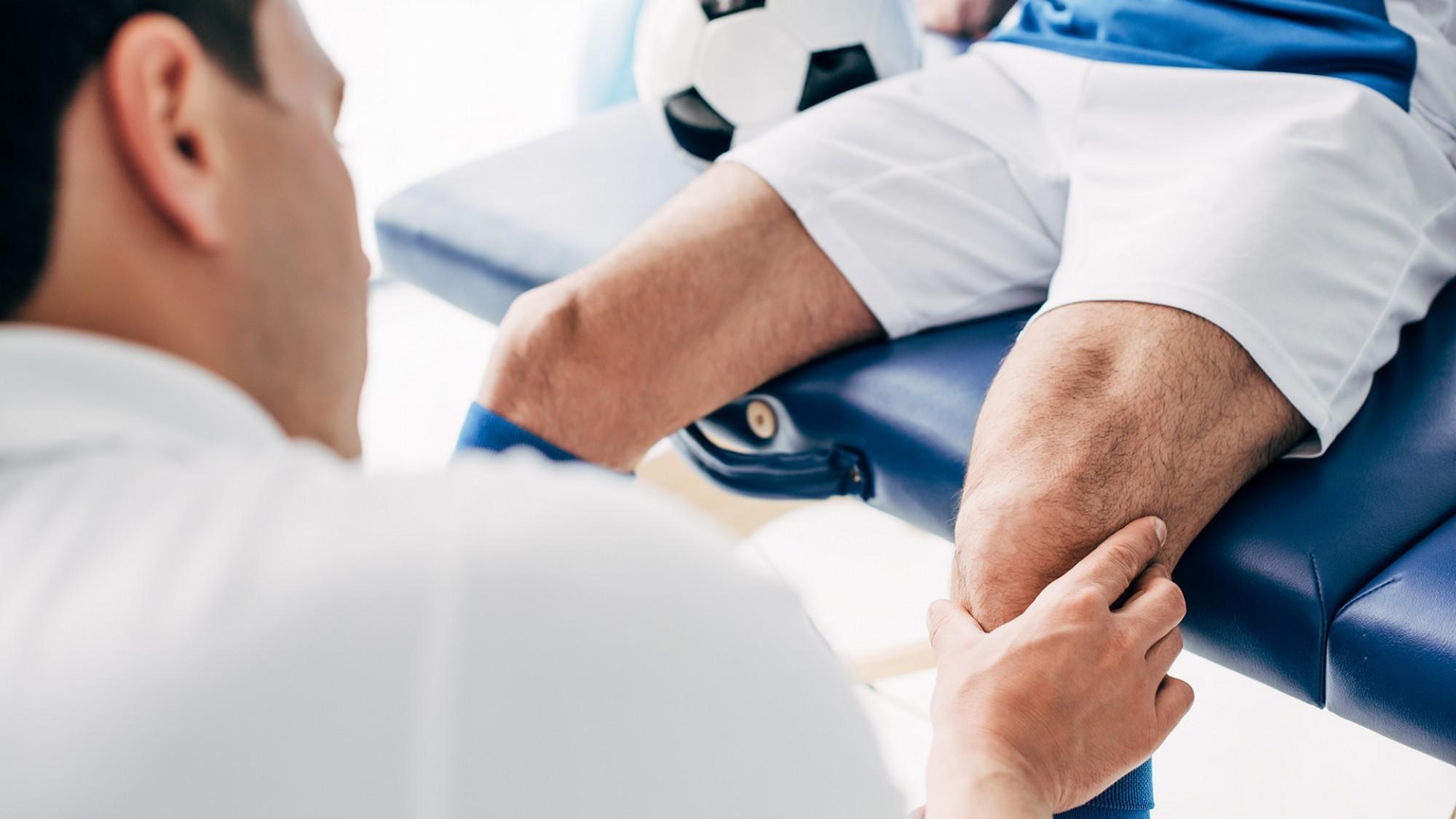
A torn ligament on the football field. A twisted knee from a weekend tennis match. Or a persistent shoulder ache after months at the gym. Sports injuries don’t just affect athletes; they impact anyone who loves to stay active. The frustration of being sidelined is real, and for many, the fear of a long, painful recovery keeps them from seeking proper care.
This is where minimally invasive orthopaedic surgery is changing the game. By using advanced techniques, orthopaedic surgeons today can repair injuries with smaller incisions, faster healing, and fewer complications — helping patients get back to their sport or activity sooner.
The Most Common Sports Injuries
Sports medicine specialists regularly treat:
-
ACL and Meniscus Tears (Knee): Common in football, basketball, and running. They can cause instability and long-term damage if left untreated.
-
Rotator Cuff Tears (Shoulder): Seen in swimmers, tennis players, and weightlifters. Pain and weakness limit overhead movements.
-
Ankle Sprains and Fractures: Frequent in running and field sports. Chronic instability can develop without proper care.
-
Cartilage Damage: Leads to joint stiffness and swelling, especially in the knee.
How Minimally Invasive Surgery Works
Instead of large cuts and open surgery, orthopaedic surgeons now use arthroscopy, inserting a tiny camera and specialised instruments through keyhole-sized incisions.
Benefits include:
-
Smaller scars and less tissue damage
-
Lower risk of infection
-
Reduced blood loss during surgery
-
Shorter hospital stays (often same-day discharge)
-
Faster rehabilitation timelines
For example, ACL reconstruction performed arthroscopically allows patients to start physiotherapy within days and return to sport in 6–9 months with proper rehab a dramatic improvement over older method.
Rehabilitation: The Other Half of Recovery
Surgery is only part of the solution. Sports medicine focuses equally on rehabilitation and injury prevention. After minimally invasive surgery, physiotherapy plays a crucial role in:
-
Restoring strength and flexibility
-
Preventing stiffness and scar tissue formation
-
Re-training balance and coordination
-
Reducing risk of re-injury
Modern rehabilitation protocols often use sports-specific drills, meaning a footballer learns to pivot and sprint again, while a swimmer practices overhead movement safely.
Why Athletes Choose Minimally Invasive Surgery
For professionals, the difference between open and minimally invasive surgery can mean returning to competition months earlier. For recreational athletes, it means getting back to daily activities, climbing stairs, driving, or simply walking without pain, without long hospital stays or extended downtime.
Patients often report:
-
Less post-operative pain
-
Faster return to normal activities
-
Greater confidence in their joints post-surgery
Sports injuries are no longer the career-ending or lifestyle-limiting events they once were. With minimally invasive orthopaedic surgery and structured rehabilitation, patients can expect faster recovery, better outcomes, and a safer return to the activities they love.
If you’re living with knee, shoulder, or ankle pain from an injury, don’t wait for it to worsen. Consult a sports medicine orthopaedic surgeon and explore minimally invasive options. The right care today can save you from long-term damage tomorrow.
Recent Posts


 04 406 3000
  04 406 3000
Quick Links
Legal
Working Hours
-
Out-patient Department
Monday to Saturday | 8 AM to 9 PM
Sunday | 10 AM to 6 PM
Emergency Department & Pharmacy | 24x7
Connect with us!




©2026 IMH. All Rights Reserved. Ministry of Health License No : TEBMJIU0-060622