

When Back Pain Means More Than a Muscle Strain
When Back Pain Means More Than a Muscle Strain
When Back Pain Means More Than a Muscle Strain
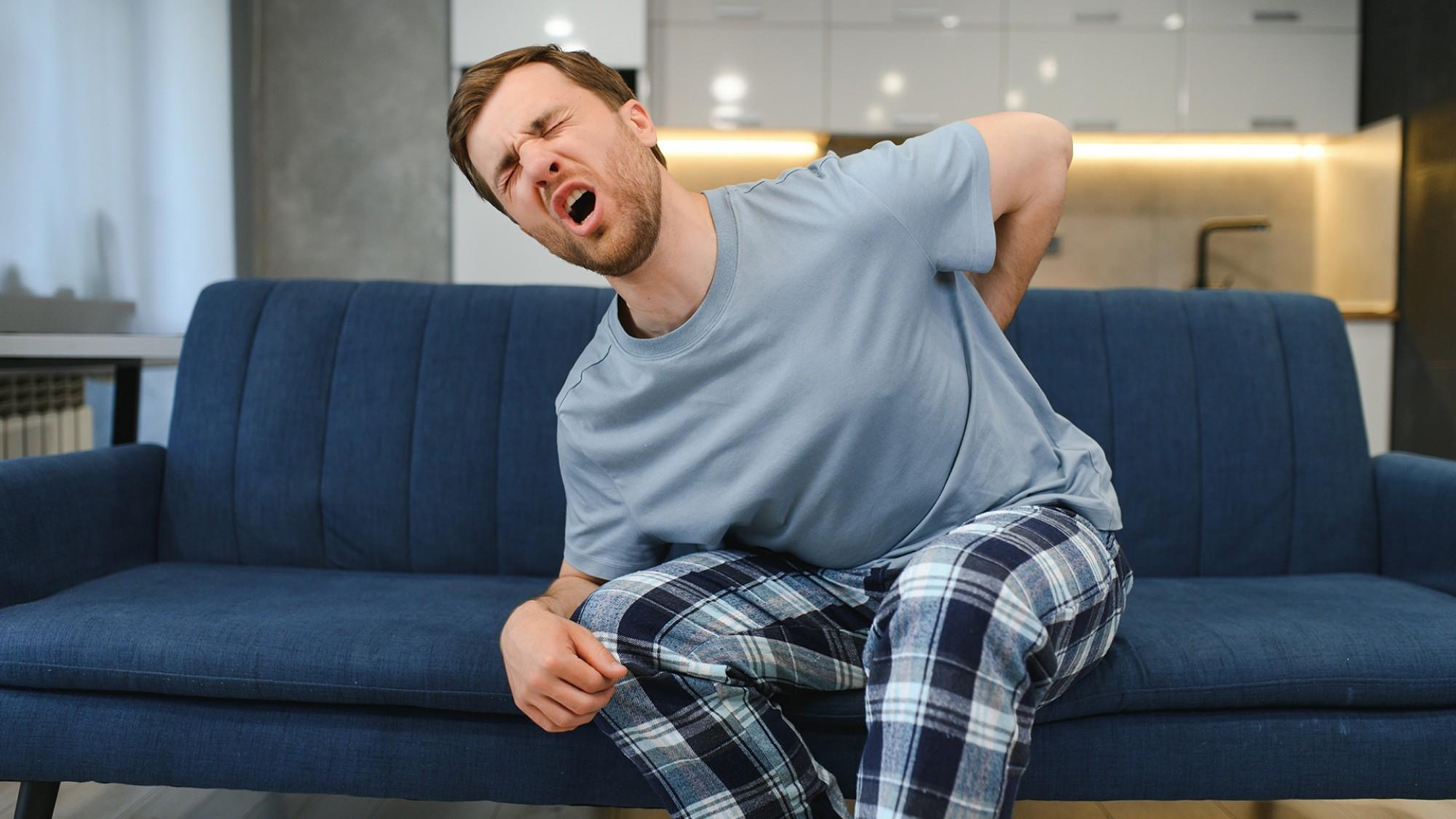
Almost everyone has experienced back pain at some point — maybe after lifting something heavy, sitting at a desk too long, or sleeping in an awkward position. Most of the time, it’s nothing more than a simple muscle strain that improves with rest, stretching, or pain relief.
But what if the pain doesn’t go away? What if it spreads down your legs, makes you numb, or keeps you awake at night? Sometimes, back pain is more than just a muscle issue — it could be a sign of an underlying orthopedic condition that needs proper diagnosis and treatment.
When to Take Back Pain Seriously
You should seek medical advice if your back pain is:
-
Persistent: Lasting more than a few weeks despite home care
-
Radiating: Moving down your legs (sciatica-like pain)
-
Numbness or Weakness: Tingling, burning, or muscle weakness in your legs or feet
-
Night Pain: Pain that worsens at night or disturbs your sleep
-
Linked to Injury: If pain started after a fall, accident, or sports injury
These warning signs often suggest something deeper than strained muscles.
Common Orthopedic Causes of Back Pain
-
Slipped Disc (Herniated Disc): When the soft cushion between vertebrae bulges or ruptures, it can press on spinal nerves, causing severe leg pain, numbness, or weakness.
-
Spinal Stenosis: A narrowing of the spinal canal that puts pressure on the spinal cord and nerves, common in older adults.
-
Degenerative Disc Disease: Natural wear and tear that leads to chronic stiffness, reduced flexibility, and pain.
-
Spondylolisthesis: A vertebra slipping out of position, leading to nerve compression and lower back instability.
-
Osteoporosis-Related Fractures: Fragile bones can cause compression fractures, leading to sudden and intense back pain.
Minimally Invasive Spine Surgery: Modern Solutions
Gone are the days when spine surgery meant long hospital stays and large scars. Today, many conditions can be treated with minimally invasive spine surgery using tiny incisions and advanced instruments.
Benefits include:
-
Smaller scars and less tissue damage
-
Less post-operative pain
-
Faster recovery (often home within 24–48 hours)
-
Lower risk of complications compared to traditional open surgery
Procedures like microdiscectomy (for slipped discs) or endoscopic decompression (for stenosis) allow patients to return to normal life much quicker, often within weeks.
The Role of Rehabilitation
Surgery is only part of the journey. Physical therapy, posture correction, and core strengthening exercises are vital for long-term relief. Many patients also benefit from ergonomic adjustments at work, guided stretching, and weight management to reduce pressure on the spine.
Not all back pain is “just a strain.” Sometimes it’s the body’s way of warning you about a more serious issue. With modern diagnostics, minimally invasive treatments, and personalized rehabilitation, patients no longer need to fear spine surgery.
If your back pain is persistent, radiating, or worsening, don’t ignore it. An orthopedic spine specialist can identify the cause and guide you toward the safest and most effective solution.
Do you want me to continue right away with Blog 4: Minimally Invasive Solutions for Pediatric Orthopedic Conditions, so we can complete Batch 4, or pause here for you to review Batch 3 first?
Recent Posts


 04 406 3000
  04 406 3000
Quick Links
Legal
Working Hours
-
Out-patient Department
Monday to Saturday | 8 AM to 9 PM
Sunday | 10 AM to 6 PM
Emergency Department & Pharmacy | 24x7
Connect with us!




©2026 IMH. All Rights Reserved. Ministry of Health License No : TEBMJIU0-060622