

When Is It Time to See an Eye Specialist?
When Is It Time to See an Eye Specialist?
When Is It Time to See an Eye Specialist?
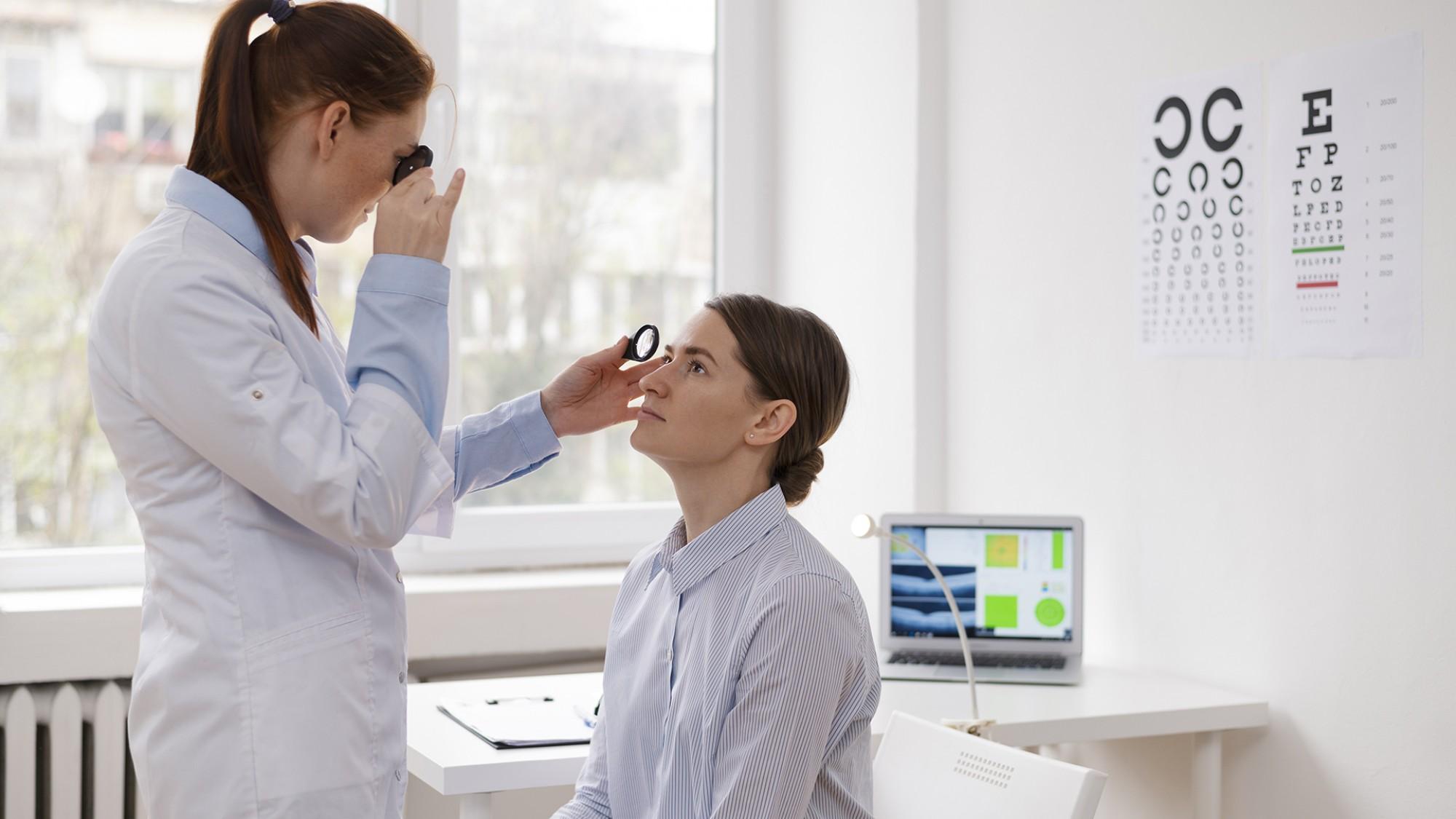
Many people wait until they experience noticeable vision problems before visiting an eye specialist. Others assume blurry vision, dryness, or eye strain are normal parts of aging or daily life. In reality, eye conditions often develop quietly, without obvious symptoms. By the time changes become noticeable, significant damage may have already occurred. Understanding when to seek professional care is essential for preserving long-term vision—especially in a dynamic environment like Dubai, where screen time, climate factors, and chronic conditions influence eye health daily.
Routine eye examinations are the first step. Even without symptoms, adults should undergo a comprehensive eye exam every one to two years. These exams detect early changes in the cornea, retina, optic nerve, and lens—long before symptoms appear. For children, annual screenings support healthy visual development and prevent learning difficulties related to undiagnosed vision issues. Seniors require even more frequent evaluations due to higher risks of cataracts, glaucoma, macular degeneration, and dry eye.
However, certain symptoms require immediate attention. Sudden flashes of light, a rapid increase in floaters, or the appearance of a curtain-like shadow across vision may indicate a retinal tear or detachment—an emergency that demands prompt intervention. Sudden blurred vision, double vision, or loss of central or peripheral vision are also red flags that should never be ignored.
Persistent eye pain, redness, or sensitivity to light may signal inflammation, infection, or pressure buildup inside the eye. These symptoms are especially concerning in individuals who wear contact lenses, as improper lens hygiene increases the risk of corneal infections. Chemical exposure, eye trauma, or foreign bodies require urgent evaluation, even if discomfort seems mild. Early treatment prevents complications that may lead to permanent damage.
Diabetics must be particularly vigilant. Diabetes is one of the leading causes of preventable blindness, and diabetic retinopathy often develops without symptoms. Annual retinal imaging allows early detection and timely treatment. Pregnant women with diabetes should also undergo additional testing, as pregnancy can accelerate retinal changes.
Individuals with hypertension, thyroid disease, autoimmune disorders, or high myopia face higher risks of eye complications and should maintain regular follow-ups. A family history of glaucoma or macular degeneration also increases the need for proactive screening.
Even subtle symptoms deserve attention. Difficulty driving at night, frequent headaches, trouble focusing during screen work, or constantly needing brighter light to read may indicate early-stage eye conditions. Dry, irritated, or watery eyes may reflect tear film imbalance or meibomian gland dysfunction—both of which worsen without treatment. Many residents in the UAE experience dryness due to climate conditions, and early management helps prevent chronic discomfort.
Lifestyle changes should also prompt an eye exam. Starting a new job involving extensive computer work, engaging in sports with high injury risk, beginning certain medications, or considering refractive surgery all warrant evaluation. Eye specialists assess not just vision, but also overall eye health, risk factors, and suitability for specific activities or treatments.
Seeing an eye specialist is not just for treating disease—it is for preventing it. Early detection remains the most powerful tool for preserving vision. With modern diagnostic technology available in Dubai, eye examinations are quick, comfortable, and incredibly informative. Advanced imaging reveals changes invisible to the naked eye, allowing ophthalmologists to diagnose conditions at their earliest and most treatable stages.
Your eyes are among your most precious organs. They guide your daily life, independence, and experiences. Waiting for symptoms risks losing the opportunity to intervene early. Whether you have concerns, health conditions, lifestyle changes, or simply haven’t had an eye exam in years, now is the right time to prioritize your vision.
Recent Posts




 04 406 3000
  04 406 3000
Quick Links
Legal
Working Hours
-
Out-patient Department
Monday to Saturday | 8 AM to 9 PM
Sunday | 10 AM to 6 PM
Emergency Department & Pharmacy | 24x7
Connect with us!




©2026 IMH. All Rights Reserved. Ministry of Health License No : TEBMJIU0-060622