

Understanding Liver and Bile Duct Cancers
Understanding Liver and Bile Duct Cancers
Understanding Liver and Bile Duct Cancers
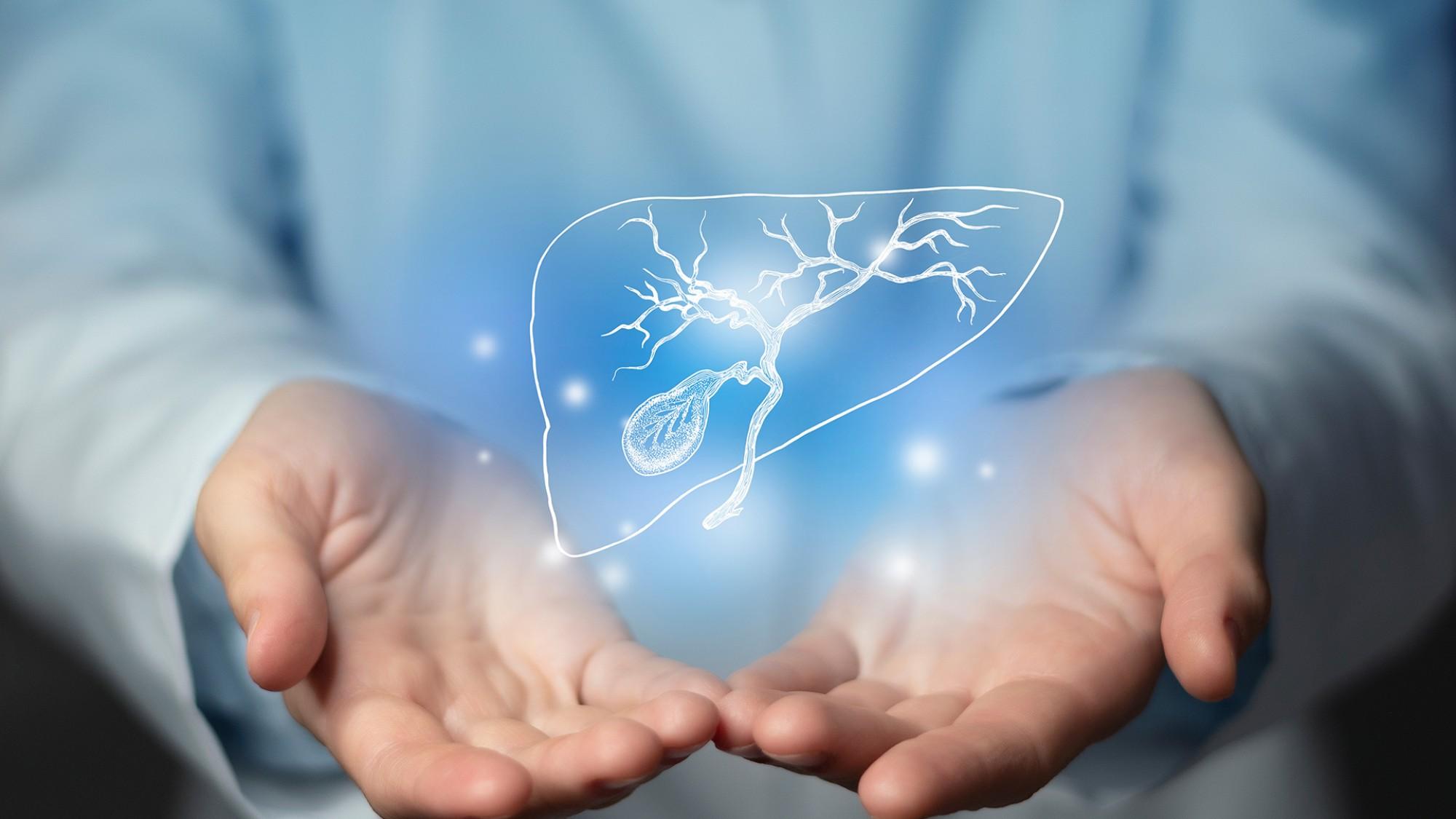
The liver is one of the most hardworking organs in the body. It filters toxins from the blood, helps digest food, and stores energy. Alongside it runs a delicate network of bile ducts that carry bile from the liver and gall bladder to the small intestine, helping break down fats. Most of us take these organs for granted until something goes wrong. For some patients, that “something” is cancer. Liver cancer and bile duct cancer (also called cholangiocarcinoma) are among the most complex gastrointestinal cancers, and understanding them is the first step toward fighting them.
The Silent Nature of Liver and Bile Duct Cancers
One of the biggest challenges with liver cancer and bile duct cancer is that they often go unnoticed in the early stages. The liver is large, resilient, and capable of compensating even when a portion is diseased. This means tumors may grow silently until they are advanced. By the time symptoms appear, the cancer may already be difficult to treat.
Patients may start noticing jaundice, yellowing of the eyes and skin caused by bile buildup, or vague abdominal pain and swelling. Some develop unexplained weight loss, fatigue, or loss of appetite. Because these symptoms mimic other liver problems like hepatitis, cirrhosis, or even gallstones, diagnosis often comes later than it should.
Who is at Risk?
Certain conditions make these cancers more likely. Chronic infection with hepatitis B or C, long-term alcohol abuse, obesity, and non-alcoholic fatty liver disease are all linked to higher rates of hepatocellular carcinoma (HCC), the most common type of liver cancer. For bile duct cancer, risk factors include bile duct inflammation, gallstones, or congenital bile duct disorders.
Regular check-ups are especially important for patients with these risk factors. Ultrasound and blood tests can sometimes detect problems before symptoms appear.
How Doctors Diagnose These Cancers
When liver or bile duct cancer is suspected, doctors turn to imaging and biopsy for answers. Ultrasound, CT scans, and MRI help detect suspicious masses. In some cases, endoscopic retrograde cholangiopancreatography (ERCP) is used to examine bile ducts more closely. Biopsies confirm whether a mass is malignant or benign.
Blood tests, including markers like alpha-fetoprotein (AFP), can also help in diagnosis and monitoring.
Treatment Options
Treatment depends on the size and spread of the tumor as well as the overall health of the liver. For some patients, surgery is an option:
-
Hepatic resection (removal of part of the liver) is performed if the cancer is confined.
-
Liver transplantation may be considered for those with severe liver damage and early-stage cancer.
-
Bile duct surgery, which may involve removing part of the bile duct and reconnecting it to the intestine, is done for cholangiocarcinoma.
When surgery isn’t possible, other treatments are used: chemotherapy, radiation therapy, targeted therapy, and immunotherapy. Interventional radiology techniques, such as radiofrequency ablation (burning the tumor) or chemoembolization (delivering chemotherapy directly to the tumor), are also improving survival and quality of life.
The Role of Multidisciplinary Care
Liver and bile duct cancers require a team approach. Surgeons, oncologists, radiologists, and nutritionists work together to build a personalized treatment plan. Because these cancers can affect digestion and overall strength, nutritional support is crucial. Patients are often encouraged to eat smaller, more frequent meals and avoid alcohol to support liver function.
Living With the Diagnosis
A diagnosis of liver or bile duct cancer can feel devastating, but treatment advances in the last decade have brought new hope. With minimally invasive surgery, robotic techniques, and newer drugs like immunotherapy, patients are living longer and with a better quality of life.
Emotional support is just as important as medical treatment. Patients and families often benefit from counseling, support groups, and palliative care services that focus on managing symptoms and improving comfort.
The liver and bile ducts may not draw much attention until illness strikes, but their role in digestion and overall health is vital. Awareness of risk factors, regular screening, and early medical consultation can make the difference between catching cancer early and facing it too late.
If you notice persistent jaundice, unexplained abdominal pain, or weight loss, don’t ignore them. These could be your body’s way of sounding an alarm. Early detection and comprehensive treatment give patients the best chance for a longer, healthier life.
Recent Posts




 04 406 3000
  04 406 3000
Quick Links
Legal
Working Hours
-
Out-patient Department
Monday to Saturday | 8 AM to 9 PM
Sunday | 10 AM to 6 PM
Emergency Department & Pharmacy | 24x7
Connect with us!




©2026 IMH. All Rights Reserved. Ministry of Health License No : TEBMJIU0-060622