

Understanding GERD – More Than Just Heartburn
Understanding GERD – More Than Just Heartburn
Understanding GERD – More Than Just Heartburn
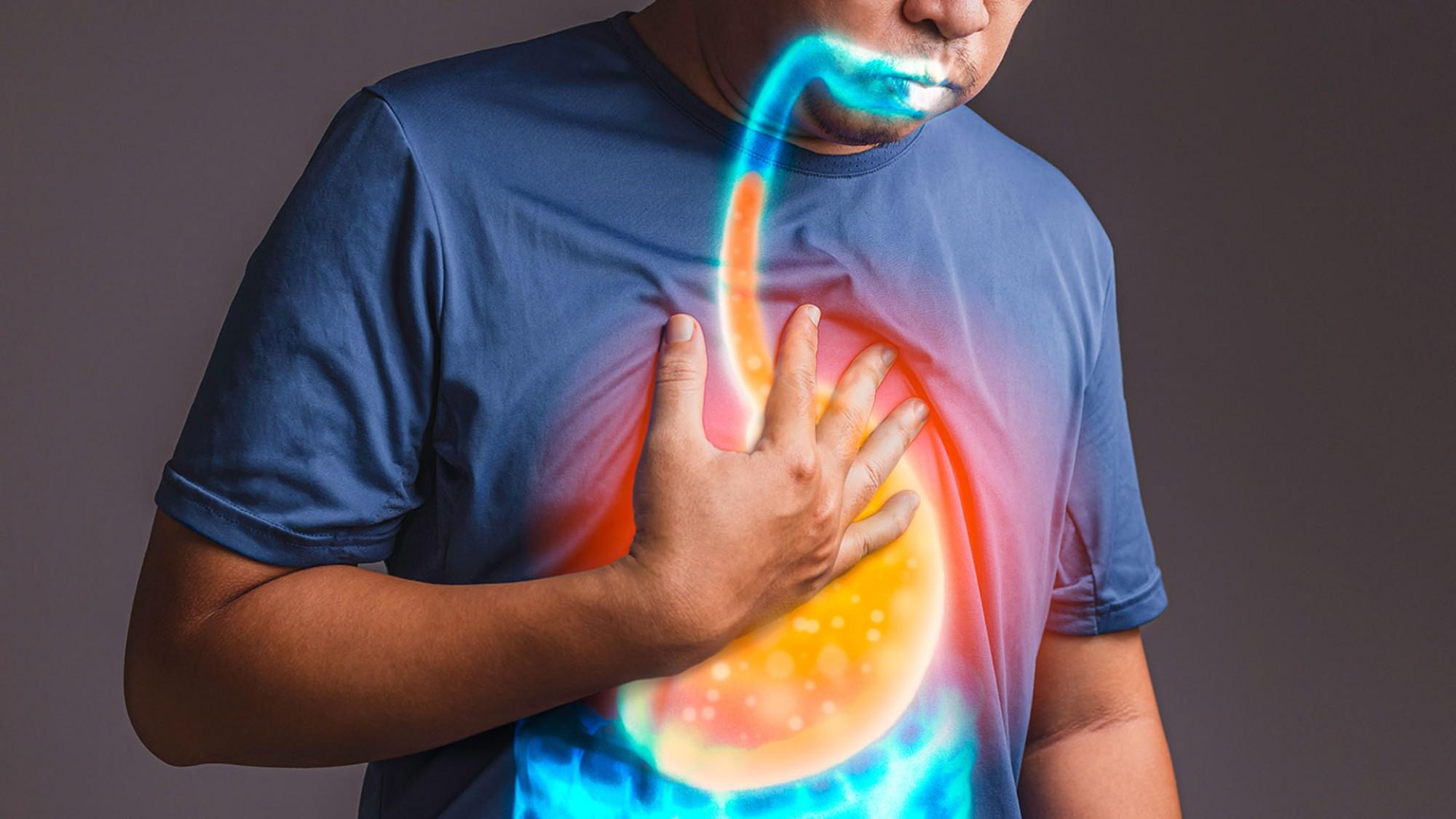
Almost everyone has experienced the occasional burning feeling in the chest after a heavy meal, spicy food, or too much coffee. We call it heartburn. But when that burning becomes frequent, persistent, and starts interfering with daily life, it could be a sign of something more serious: Gastroesophageal Reflux Disease (GERD).
GERD is not just about acid rising. It’s a condition that, over time, can affect your esophagus, your digestive comfort, and even your risk of developing other complications if left untreated.
What Exactly Is GERD?
The esophagus is the food pipe that connects the mouth to the stomach. At the bottom of the esophagus is a valve called the lower esophageal sphincter (LES), which acts like a gate, letting food in but preventing stomach acid from flowing back up. In GERD, this valve weakens or relaxes inappropriately, allowing acid and sometimes bile to splash back into the esophagus.
This backflow, or reflux, irritates the lining of the esophagus and causes the classic heartburn sensation. But GERD can also appear in less obvious ways.
Symptoms Beyond Heartburn
Many people think GERD only causes burning in the chest, but the reality is much broader. Symptoms can include:
-
A sour taste in the mouth or regurgitation of food
-
Chronic cough or throat irritation
-
Hoarseness or a feeling of a lump in the throat
-
Difficulty swallowing (dysphagia)
-
Chest pain that may mimic heart trouble
-
Nighttime reflux leading to poor sleep
Some patients may even experience silent reflux, where acid causes damage without the typical burning sensation.
Why GERD Matters
Occasional heartburn is usually harmless. But persistent GERD symptoms can lead to more serious problems over time. The esophagus is not built to handle acid repeatedly, and constant exposure can cause esophagitis (inflammation), esophageal ulcers, narrowing of the esophagus, or even precancerous changes called Barrett’s esophagus.
This is why untreated GERD is considered a risk factor for esophageal cancer.
Causes and Triggers
GERD doesn’t happen in isolation. Several lifestyle and medical factors can contribute:
-
Obesity and increased abdominal pressure
-
Hiatal hernia (a small stomach bulge through the diaphragm)
-
Eating large meals or lying down right after eating
-
High intake of caffeine, alcohol, chocolate, or fatty foods
-
Smoking, which weakens the LES
-
Certain medications, like painkillers or sedatives
Even stress can worsen GERD symptoms by increasing stomach acid production.
Diagnosing GERD
When symptoms are frequent, doctors may recommend tests to confirm the diagnosis and check for complications. These may include:
-
Endoscopy to examine the esophagus and stomach
-
pH monitoring to measure acid levels over 24 hours
-
Barium swallow X-ray to see reflux in action
Sometimes, GERD is diagnosed based simply on symptoms and response to treatment.
Treatment and Relief
The good news is that GERD is highly manageable. Treatment is usually stepwise:
-
Lifestyle changes – losing weight, eating smaller meals, avoiding food triggers, quitting smoking, and not lying down immediately after eating.
-
Medications – antacids, H2 blockers, or proton pump inhibitors (PPIs) that reduce stomach acid production.
-
Surgical options – in severe cases, procedures like fundoplication or minimally invasive laparoscopic surgery may be recommended to strengthen the LES.
Patients should be careful with home remedies for acid reflux or the overuse of antacids. While these may give temporary relief, long-term GERD requires medical guidance.
Living Well With GERD
GERD doesn’t mean giving up on food or quality of life. With proper treatment, patients can enjoy normal eating habits, avoid complications, and sleep comfortably again. It’s about being mindful, learning your triggers, making small adjustments, and seeking help early when symptoms persist.
GERD is more than just heartburn; it’s a condition that can affect your digestion, sleep, and long-term health. Recognizing the signs early, making lifestyle changes, and following medical advice can keep GERD under control and prevent it from becoming something far more serious.
So, the next time you brush off frequent heartburn, think twice. Your body may be telling you it’s time to take acid reflux disease seriously.
Recent Posts




 04 406 3000
  04 406 3000
Quick Links
Legal
Working Hours
-
Out-patient Department
Monday to Saturday | 8 AM to 9 PM
Sunday | 10 AM to 6 PM
Emergency Department & Pharmacy | 24x7
Connect with us!




©2026 IMH. All Rights Reserved. Ministry of Health License No : TEBMJIU0-060622