

Understanding Fatty Liver Disease: A Growing Concern in the UAE
Understanding Fatty Liver Disease: A Growing Concern in the UAE
Understanding Fatty Liver Disease: A Growing Concern in the UAE
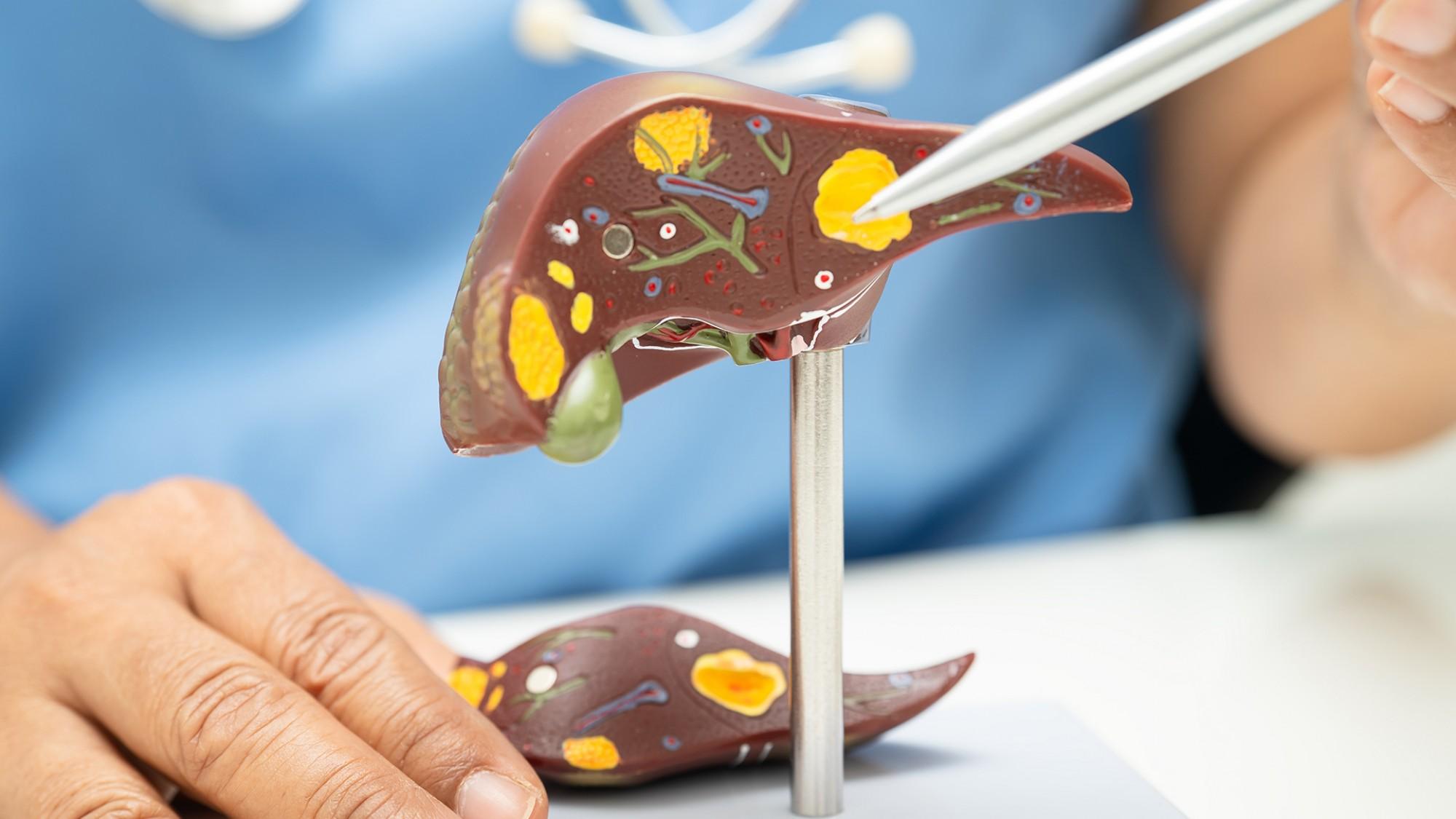
When people think of liver problems, they often associate them with alcohol use. Yet one of the most common liver conditions worldwide and increasingly in the UAE is non-alcoholic fatty liver disease (NAFLD). It develops quietly, often without noticeable symptoms, as fat builds up inside liver cells. For many, it remains undetected until routine blood tests or scans reveal abnormal results. Left unmanaged, fatty liver can progress to inflammation, scarring, and even cirrhosis, putting lives at risk.
The liver is a powerful organ that filters toxins, regulates metabolism, and stores vital nutrients. When fat accumulates in excess, it disrupts these functions. Fatty liver can exist in two main forms. The first, simple steatosis, involves fat buildup without significant damage and is often reversible with lifestyle changes. The second, non-alcoholic steatohepatitis (NASH), involves fat combined with inflammation and liver cell injury. NASH is far more dangerous, as it can progress to fibrosis, cirrhosis, and eventually liver cancer.
In the UAE, lifestyle factors drive the rise of fatty liver disease. High rates of obesity, diabetes, and sedentary living create the perfect environment for the condition to thrive. Diets heavy in fried foods, refined sugars, and fast food only add fuel to the fire. What makes fatty liver particularly concerning is that it often occurs in people who feel otherwise healthy, including young adults. By the time symptoms such as fatigue, abdominal discomfort, or jaundice appear, the liver may already be significantly damaged.
Diagnosis typically begins with routine blood tests showing elevated liver enzymes, followed by imaging such as ultrasound, CT, or FibroScan to assess fat levels and stiffness in the liver. In some cases, a biopsy is needed to determine the extent of damage. Early diagnosis is critical because fatty liver is one of the few liver conditions that can be reversed through timely lifestyle changes.
Treatment focuses on the root causes. Weight loss through diet and exercise is the most effective strategy, often reducing fat deposits and inflammation. Controlling diabetes, lowering cholesterol, and avoiding unnecessary medications that strain the liver are equally important. There are no specific drugs approved solely for NAFLD yet, but ongoing clinical trials hold promise for the future. For now, lifestyle medicine remains the cornerstone.
Cultural and social factors in the UAE make management complex. Traditional meals rich in rice, bread, and sweets, combined with celebratory feasts during Ramadan and Eid, present unique challenges. At IMH, doctors and nutritionists work with patients to design realistic meal plans that respect cultural traditions while promoting liver health. Encouraging physical activity is another focus, whether through gym routines, walking clubs, or even simple daily steps that fit into busy schedules.
The emotional burden of fatty liver should not be overlooked. Patients often feel guilty or overwhelmed when diagnosed, especially if they have struggled with weight or diabetes for years. Counseling and family involvement are essential to build supportive environments that make change possible.
Dubai’s healthcare system is equipped with advanced diagnostic tools and multidisciplinary teams that make managing fatty liver achievable. Awareness, however, remains the first step. Too many people discover the condition late, when damage has already set in. By talking openly about fatty liver, encouraging regular check-ups, and promoting healthier lifestyles, the UAE can curb what is rapidly becoming a public health crisis.
Fatty liver may be common, but it is not inevitable. It is a call to action, reminding us that small, consistent changes in daily life, choosing healthier meals, staying active, and going for regular screenings can protect one of the body’s most vital organs. With the right care, the story of fatty liver does not have to end in cirrhosis or cancer. It can be one of prevention, recovery, and resilience.
Recent Posts



 04 406 3000
  04 406 3000
Quick Links
Legal
Working Hours
-
Out-patient Department
Monday to Saturday | 8 AM to 9 PM
Sunday | 10 AM to 6 PM
Emergency Department & Pharmacy | 24x7
Connect with us!




©2026 IMH. All Rights Reserved. Ministry of Health License No : TEBMJIU0-060622