

Fatty Liver — The Silent Condition Everyone Should Know About
Fatty Liver — The Silent Condition Everyone Should Know About
Fatty Liver — The Silent Condition Everyone Should Know About
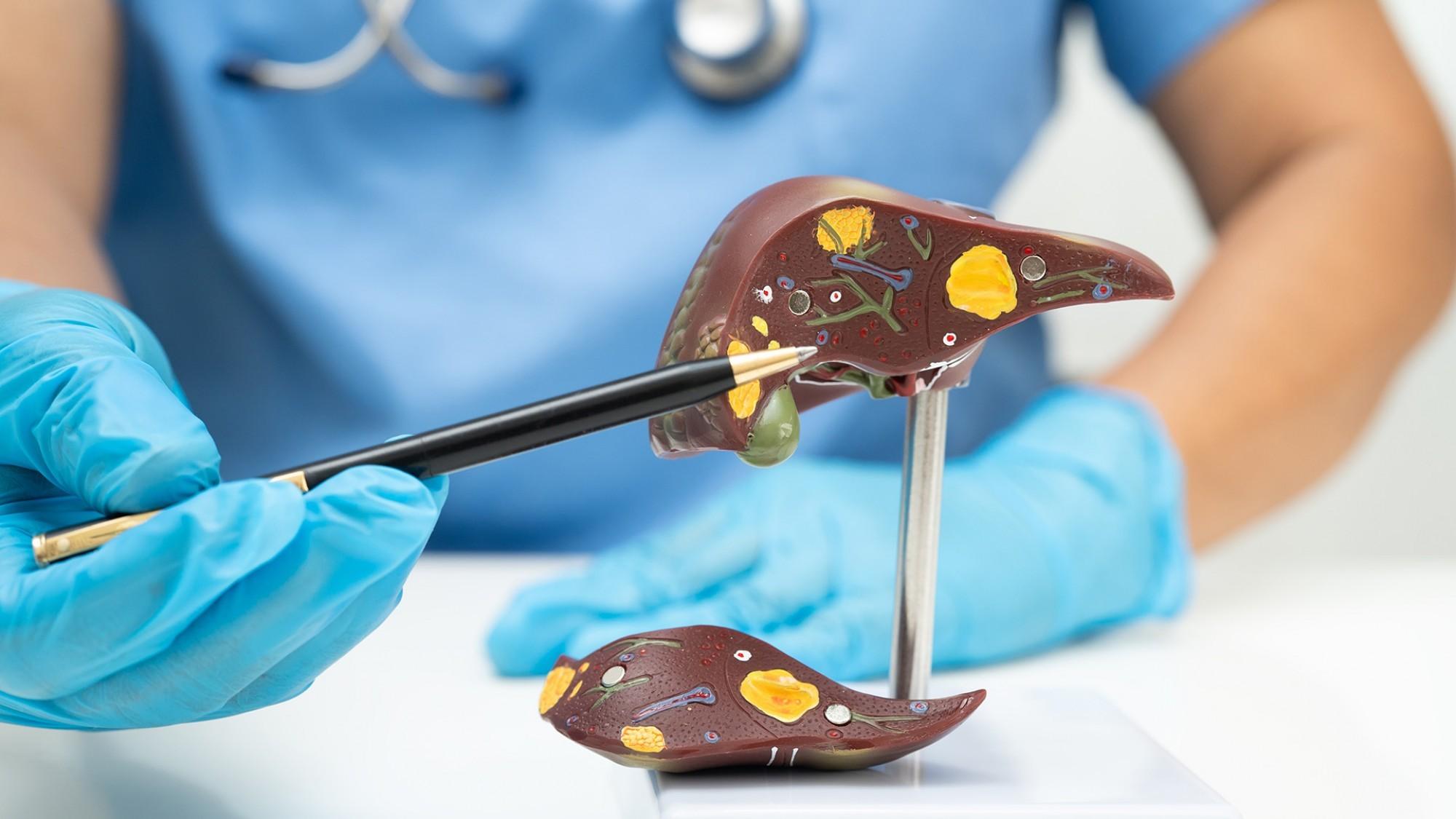
When people think of liver disease, they often link it to alcohol. But today, one of the fastest-growing conditions is Non-Alcoholic Fatty Liver Disease (NAFLD), which affects even those who rarely drink. Globally, nearly one in four adults now shows signs of fatty liver.
The condition occurs when excess fat accumulates in liver cells. In its early stages, fatty liver disease causes no obvious symptoms, earning it the nickname of a “silent disease.” Over time, however, it may progress to liver inflammation, fibrosis, cirrhosis, or liver cancer.
Risk factors include obesity, type 2 diabetes, high cholesterol, and a sedentary lifestyle. Poor diets high in sugar and processed foods worsen the condition. Many patients only discover NAFLD through abnormal liver function tests or ultrasound scans.
The positive news is that NAFLD is reversible. Lifestyle adjustments like losing 5–10% of body weight, eating a low-fat, balanced diet, exercising regularly, and controlling blood sugar and cholesterol can restore liver health.
Doctors stress the importance of routine liver tests for at-risk groups. Catching fatty liver early prevents complications.
Fatty liver disease is not just an alcohol problem — it’s a lifestyle problem. Early screening and intervention are the key to prevention.
Recent Posts





 04 406 3000
  04 406 3000
Quick Links
Legal
Working Hours
-
Out-patient Department
Monday to Saturday | 8 AM to 9 PM
Sunday | 10 AM to 6 PM
Emergency Department & Pharmacy | 24x7
Connect with us!




©2026 IMH. All Rights Reserved. Ministry of Health License No : TEBMJIU0-060622