

The Role of Endoscopy in Detecting Digestive Disorders Early
The Role of Endoscopy in Detecting Digestive Disorders Early
The Role of Endoscopy in Detecting Digestive Disorders Early
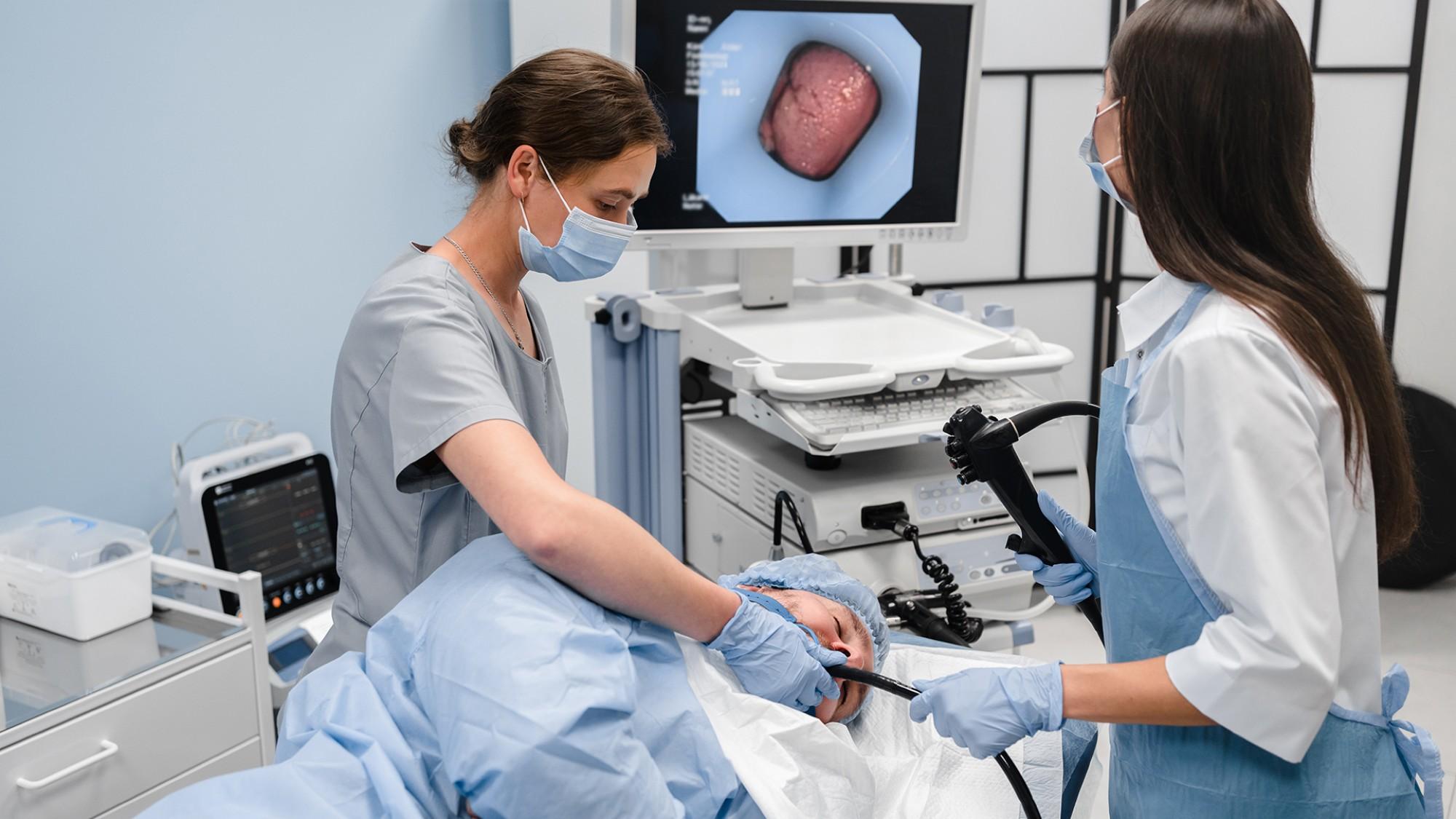
Digestive discomfort is one of the most common reasons people seek medical help. From persistent heartburn to unexplained abdominal pain, gastrointestinal issues affect daily life in countless ways. Yet many patients delay seeing a doctor until symptoms become severe, fearing invasive tests or dismissing their problems as minor. Endoscopy has changed this narrative. Once considered daunting, it is now a safe, minimally invasive, and life-saving tool that allows doctors to see inside the digestive tract and detect conditions at their earliest stages.
Endoscopy involves inserting a thin, flexible tube with a camera through the mouth or rectum to examine the digestive tract. With high-definition imaging, doctors can identify problems such as inflammation, ulcers, polyps, or even early cancers that may not show up clearly on scans or blood tests. Common procedures include gastroscopy, which evaluates the esophagus, stomach, and duodenum, and colonoscopy, which examines the large intestine. In Dubai, where colorectal cancer is one of the most rapidly increasing cancers, colonoscopy has become a vital preventive tool.
Patients often worry that endoscopy will be painful or frightening. In reality, it is performed under sedation, ensuring comfort and safety. Most procedures take less than an hour, and patients return home the same day. The benefits far outweigh the temporary discomfort. For instance, polyps discovered during a colonoscopy can be removed immediately, preventing them from developing into cancer. Ulcers, bleeding sites, and strictures can also be treated on the spot, reducing the need for major surgery.
The range of conditions diagnosed by endoscopy is broad. Acid reflux and GERD, celiac disease, Crohn’s disease, ulcerative colitis, and gastrointestinal bleeding are just a few examples. In many cases, endoscopy provides not just clarity but also reassurance, ruling out serious illness and giving patients peace of mind.
In Dubai, where dietary habits and stress contribute to rising cases of gastrointestinal disorders, endoscopy plays a critical role in preventive health. Hospitals like IMH are equipped with advanced endoscopic suites and experienced specialists who perform these procedures with precision. Multilingual teams ensure that patients from diverse backgrounds feel informed and supported throughout the process.
Endoscopy is more than a diagnostic test; it is a preventive measure that saves lives. By detecting conditions early, it avoids complications, reduces hospital stays, and ensures faster recovery. The fear of the unknown keeps many people away, but the reality is that endoscopy is one of the safest, most effective ways to protect digestive health. For anyone with persistent symptoms, it offers answers, relief, and the chance for timely treatment. In the hands of skilled professionals in Dubai, it is not a procedure to fear but an opportunity to take control of one’s health.
Recent Posts



 04 406 3000
  04 406 3000
Quick Links
Legal
Working Hours
-
Out-patient Department
Monday to Saturday | 8 AM to 9 PM
Sunday | 10 AM to 6 PM
Emergency Department & Pharmacy | 24x7
Connect with us!




©2026 IMH. All Rights Reserved. Ministry of Health License No : TEBMJIU0-060622