

The Future of Joint Replacement How Robotics Is Changing Orthopedic Care
The Future of Joint Replacement How Robotics Is Changing Orthopedic Care
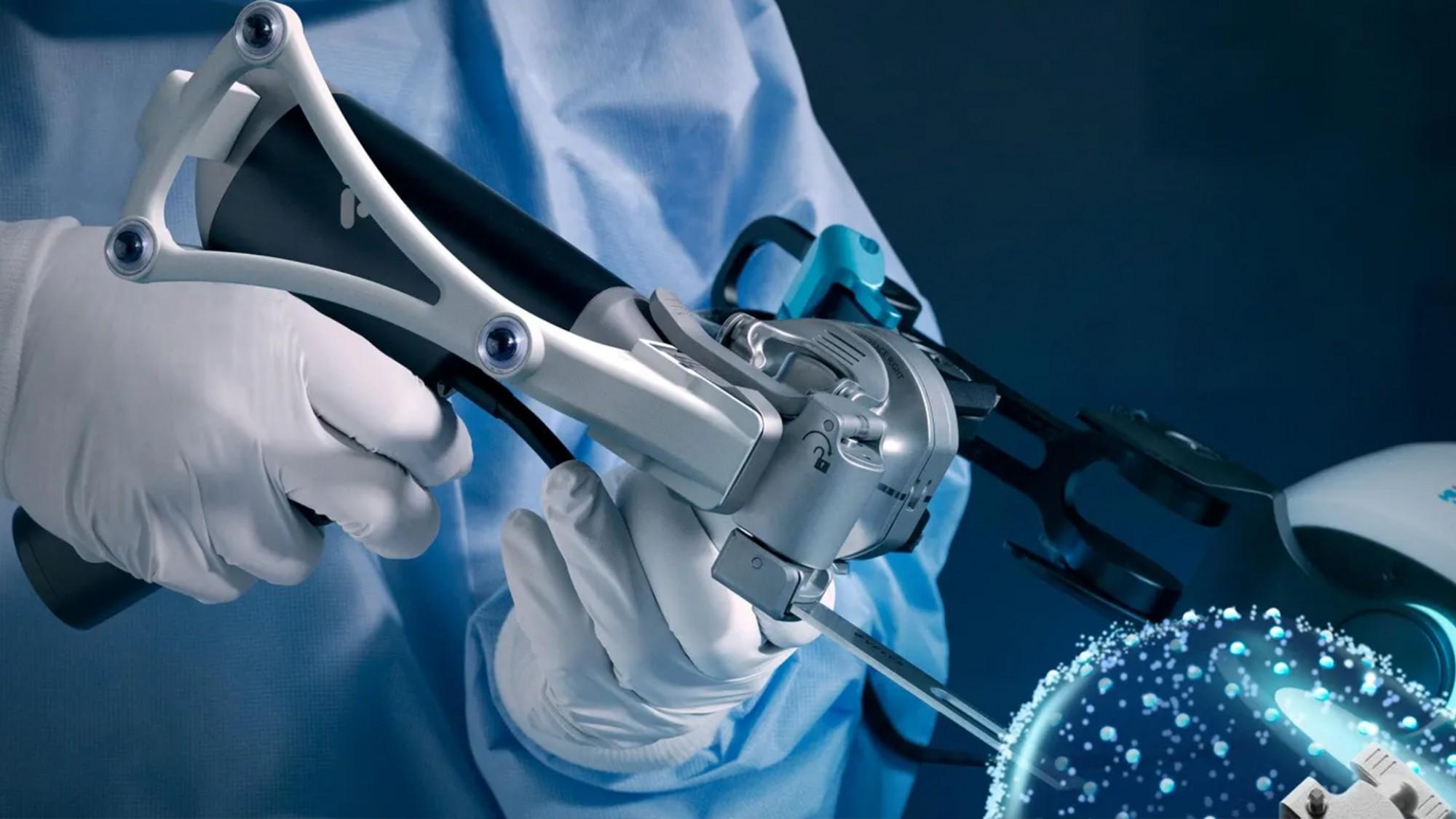
The Future of Joint Replacement: How Robotics Is Changing Orthopedic Care
For decades, joint replacement was a life-changing but major undertaking. Patients would spend hours in the operating room, face large incisions, and endure a long, sometimes painful recovery. While the results were often worth it, the road to getting there could be daunting.
Today, a quiet revolution is happening in orthopedic operating theatres: robotic-assisted joint replacement. This technology is giving surgeons an unprecedented level of precision — and patients better outcomes than ever before.
Consider a patient with severe knee arthritis who could barely walk to the corner store without pain. In the past, even with a skilled surgeon, aligning the artificial joint perfectly was done by sight and feel. Now, with robotic systems like MAKOplasty or ROSA, the surgeon creates a detailed 3D map of the patient’s joint before the first incision. During the procedure, the robotic arm guides every movement, ensuring the implant fits to the millimeter. The result? Better joint function, more natural movement, and a lower chance of needing revision surgery later on.
So, what makes robotic-assisted joint replacement different?
It’s not that the robot replaces the surgeon — it’s that it works alongside them. The technology enhances the surgeon’s skill, offering real-time feedback and allowing for adjustments on the spot. This precision means less bone removal, better soft tissue preservation, and a fit that’s tailored to the patient’s unique anatomy.
Patients notice the difference. Many experience less pain after surgery, faster rehabilitation, and greater confidence in their new joint. Some are walking with support the very next day. For active individuals, this means a quicker return to sports, travel, or simply playing with grandchildren without discomfort.
Robotic surgery isn’t for every case — and it’s only as good as the surgeon operating it. That’s why choosing an orthopedic specialist trained and experienced in these advanced techniques is key. They’ll assess whether your condition, bone structure, and overall health make you a good candidate.
The future of joint replacement is already here, and it’s one where technology and surgical expertise combine for safer, more accurate, and more predictable results. For patients, that means moving from a life defined by pain to one full of possibility — faster than ever before.
Recent Posts



 04 406 3000
  04 406 3000
Quick Links
Legal
Working Hours
-
Out-patient Department
Monday to Saturday | 8 AM to 9 PM
Sunday | 10 AM to 6 PM
Emergency Department & Pharmacy | 24x7
Connect with us!




©2026 IMH. All Rights Reserved. Ministry of Health License No : TEBMJIU0-060622