

Postpartum Nutrition – How to Heal, Rebuild, and Thrive
Postpartum Nutrition – How to Heal, Rebuild, and Thrive
Postpartum Nutrition – How to Heal, Rebuild, and Thrive
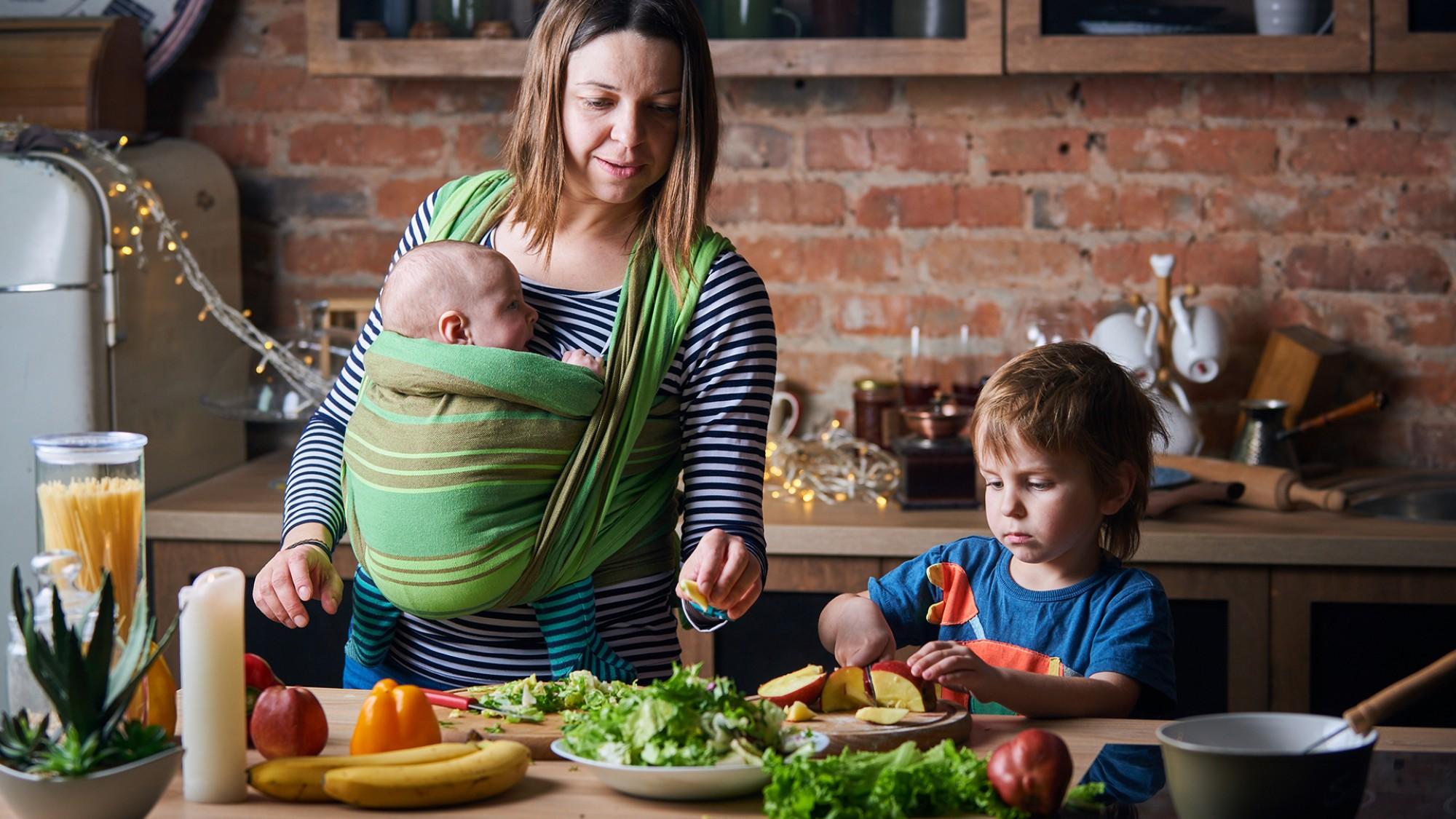
Childbirth is often described as a miracle, but it is also one of the most physically demanding events a woman can experience. The weeks that follow the postpartum period are crucial for recovery, yet nutrition during this time is often overlooked. For new mothers in Dubai and across the UAE, where the demands of caring for a newborn mix with the challenges of modern urban life, what a woman eats after delivery can make a world of difference to her healing, energy, and emotional well-being. Postpartum nutrition is not just about “eating more”; it is about eating wisely to rebuild the body, support breastfeeding, and help mothers thrive in their new role.
During pregnancy, the body works tirelessly to nourish and grow a baby. After birth, those reserves are depleted, and replenishing them is a priority. Blood loss during delivery makes iron-rich foods essential. Lean meats, lentils, spinach, and fortified cereals help restore hemoglobin levels and prevent fatigue. Pairing these with vitamin C-rich fruits such as oranges or strawberries enhances absorption, making meals more effective for recovery.
Protein is another cornerstone of postpartum nutrition. Whether from chicken, fish, eggs, beans, or dairy, protein helps repair tissues, heal wounds (especially after cesarean sections or episiotomies), and support overall strength. New mothers often underestimate their protein needs, but including a source of protein at every meal can accelerate healing. Healthy fats also play an important role, particularly omega-3 fatty acids found in salmon, walnuts, and chia seeds, which support brain health for both mother and baby.
Hydration deserves special emphasis in the UAE’s hot climate. Breastfeeding increases fluid requirements, and even mild dehydration can affect milk supply, energy, and mood. Water should be the mainstay, but soups, herbal teas, and water-rich fruits like melons and cucumbers are valuable too. Coconut water can help restore electrolytes naturally. Limiting caffeine and sugary drinks is equally important, as these can dehydrate or disrupt sleep.
Cultural traditions also shape postpartum nutrition in the UAE. Many families encourage mothers to eat hearty meals rich in ghee, dates, or spiced broths. While these foods can be comforting and nourishing, balance is key. Excess saturated fats or sugary treats can slow recovery or contribute to unnecessary weight gain. Combining traditional foods with modern nutritional knowledge allows mothers to honor culture while still prioritizing health. Dates, for example, are an excellent energy source when paired with nuts or yogurt, while spiced broths can provide warmth and hydration when prepared with lean proteins and vegetables.
Micronutrients matter too. Calcium and vitamin D are essential for rebuilding bone strength, especially if reserves were drawn down during pregnancy. Leafy greens, dairy, and fortified products can help, but supplements may be necessary for women found to be deficient, a common issue in the Middle East due to limited sun exposure from indoor lifestyles. B vitamins, zinc, and magnesium also support energy, mood regulation, and hormonal balance.
Equally important is the relationship between food and emotional well-being. Many mothers experience mood swings or even postpartum depression, conditions that can be worsened by nutritional deficiencies. A diet rich in whole grains, fresh produce, and lean proteins supports steady blood sugar levels and reduces mood fluctuations. Sharing meals with family or friends also provides social connection, which is as vital for recovery as the food itself.
Practicality cannot be ignored. Caring for a newborn leaves little time for elaborate cooking. Quick, nutritious meals such as overnight oats with fruit, grilled chicken wraps, or lentil soups make it easier to stay nourished. Hospitals in Dubai often include postpartum nutrition counseling in their maternity packages, helping mothers prepare simple strategies before discharge. Meal-prep services and community support networks are also emerging, reflecting a growing awareness of the importance of food in recovery.
In the end, postpartum nutrition is about more than replenishing calories. It is about giving women the tools to heal, regain strength, and nurture their babies with confidence. For every mother holding her child in Dubai, the message is clear: by nourishing yourself, you are nourishing your baby and your future. Balanced, thoughtful eating is not a luxury but a cornerstone of thriving after childbirth.
Recent Posts



 04 406 3000
  04 406 3000
Quick Links
Legal
Working Hours
-
Out-patient Department
Monday to Saturday | 8 AM to 9 PM
Sunday | 10 AM to 6 PM
Emergency Department & Pharmacy | 24x7
Connect with us!




©2026 IMH. All Rights Reserved. Ministry of Health License No : TEBMJIU0-060622