

Postpartum Care in the UAE – The Support New Mothers Deserve
Postpartum Care in the UAE – The Support New Mothers Deserve
Postpartum Care in the UAE – The Support New Mothers Deserve
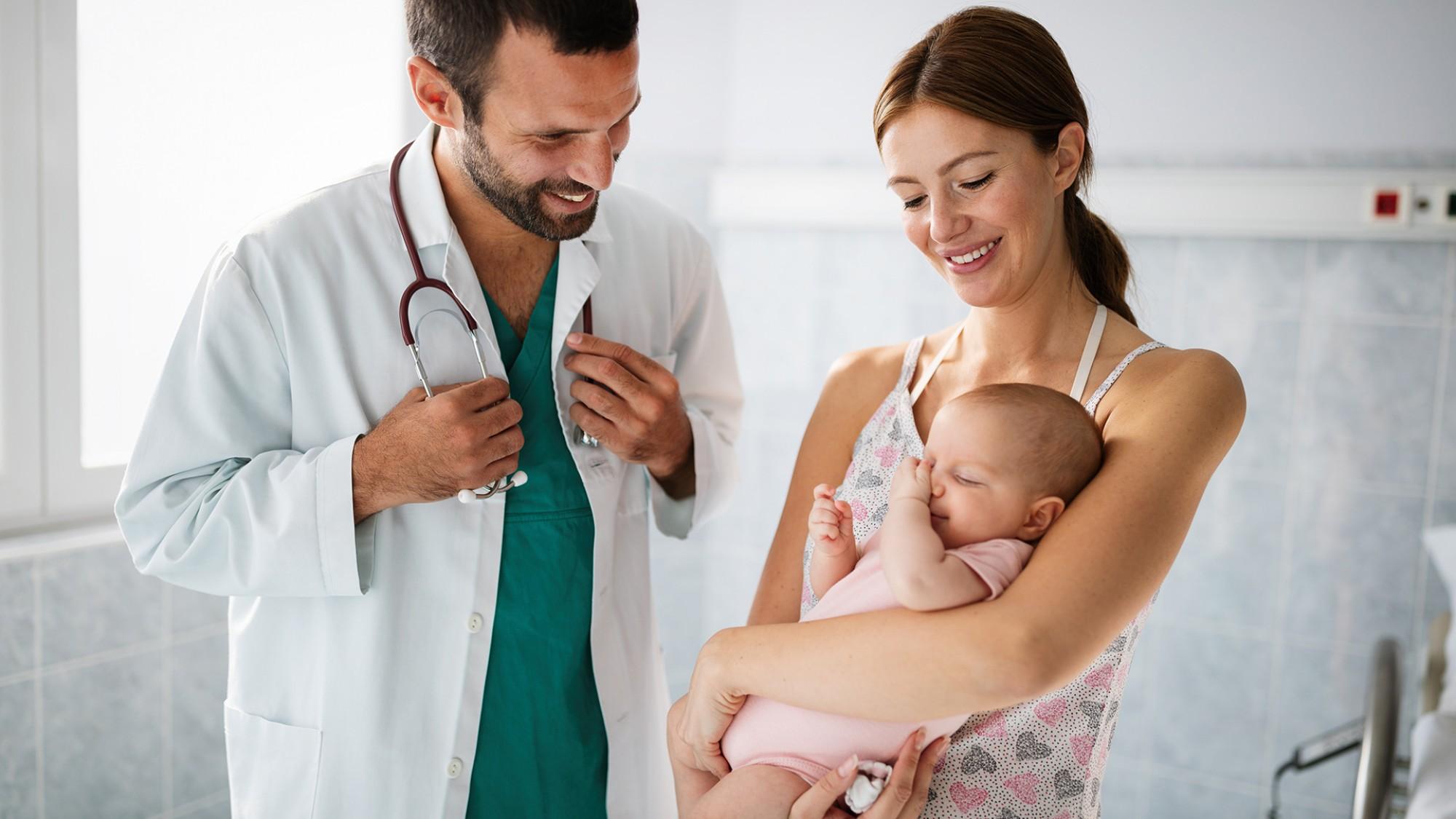
The arrival of a baby is often described as the happiest moment in a mother’s life. Families celebrate, photographs are taken, and memories are made. Yet once the excitement of birth quiets down, a very real and often overlooked journey begins: the postpartum period. Sometimes called the “fourth trimester,” these weeks and months after delivery are a time of healing, adjustment, and discovery. For many women, it is as challenging as pregnancy itself, and in Dubai, where healthcare systems are rapidly evolving, postpartum care is increasingly being recognized as essential rather than optional.
Physically, a woman’s body undergoes tremendous change after childbirth. Muscles stretched during pregnancy need time to recover. Women who deliver vaginally may have stitches or tears that require care, while those who undergo cesarean sections face the challenge of healing from surgery while simultaneously caring for a newborn. Blood loss, changes in hormones, and exhaustion from sleepless nights can leave mothers vulnerable. In the past, many women were expected to “push through” these difficulties, but hospitals across the UAE are now creating structured postpartum programs that focus on wound healing, pain management, and monitoring for complications such as infections or blood clots.
Equally important is the emotional recovery that comes with motherhood. While images of smiling mothers fill social media, the reality is that many women feel overwhelmed, anxious, or sad in the weeks after giving birth. These feelings, sometimes called the “baby blues,” are common and usually temporary, but for some mothers they develop into postpartum depression, a condition that can deeply affect both mother and child. Awareness of this issue in Dubai is growing, and more hospitals now screen new mothers for signs of depression, offering counseling, support groups, and even mindfulness programs. Recognizing the importance of mental health is a major step forward, ensuring mothers are supported not only physically but also emotionally.
Breastfeeding is another cornerstone of postpartum care. While natural, it does not always come naturally. Mothers may struggle with sore nipples, poor latching, or infections like mastitis. In the UAE, lactation consultants are increasingly available in maternity wards, helping mothers find comfortable techniques and building confidence in their ability to feed their child. Hospitals are also encouraging “rooming-in,” where babies stay in the same room as their mothers, promoting bonding and breastfeeding from the very start.
Nutrition plays a critical role in postpartum recovery. After delivery, women need diets rich in iron to replenish blood levels, calcium for bone health, and protein for healing tissues. In Dubai’s hot climate, hydration is also essential, especially for breastfeeding mothers. Dietitians in hospitals and clinics design meal plans that are practical, culturally sensitive, and focused on restoring energy. Postnatal yoga and physiotherapy programs further support recovery by helping mothers rebuild core strength and address pelvic floor health.
One of the unique challenges in the UAE is that many women live far from extended families. In other parts of the world, new mothers might rely on mothers, sisters, or aunts for guidance and support. In Dubai, where families are often nuclear, and expatriates may not have relatives nearby, hospitals have stepped in to fill this gap. Many now offer postnatal care packages that include home visits, phone follow-ups, and educational workshops. This continuity of care makes a big difference in helping mothers feel less isolated.
Ultimately, postpartum care is about recognizing that motherhood does not end at birth — it begins there. By offering physical healing, emotional support, nutritional guidance, and structured follow-up, hospitals in Dubai are reshaping the way women experience those fragile first months. For mothers, knowing they are not alone and that professional support is available can transform a stressful transition into a confident new beginning. The message is clear: postpartum care is not just about keeping mothers alive, but about helping them thrive.
Recent Posts



 04 406 3000
  04 406 3000
Quick Links
Legal
Working Hours
-
Out-patient Department
Monday to Saturday | 8 AM to 9 PM
Sunday | 10 AM to 6 PM
Emergency Department & Pharmacy | 24x7
Connect with us!




©2026 IMH. All Rights Reserved. Ministry of Health License No : TEBMJIU0-060622