

Period Pain Isn’t Always “Normal”: When to See a Gynecologist
Period Pain Isn’t Always “Normal”: When to See a Gynecologist
Period Pain Isn’t Always “Normal”: When to See a Gynecologist
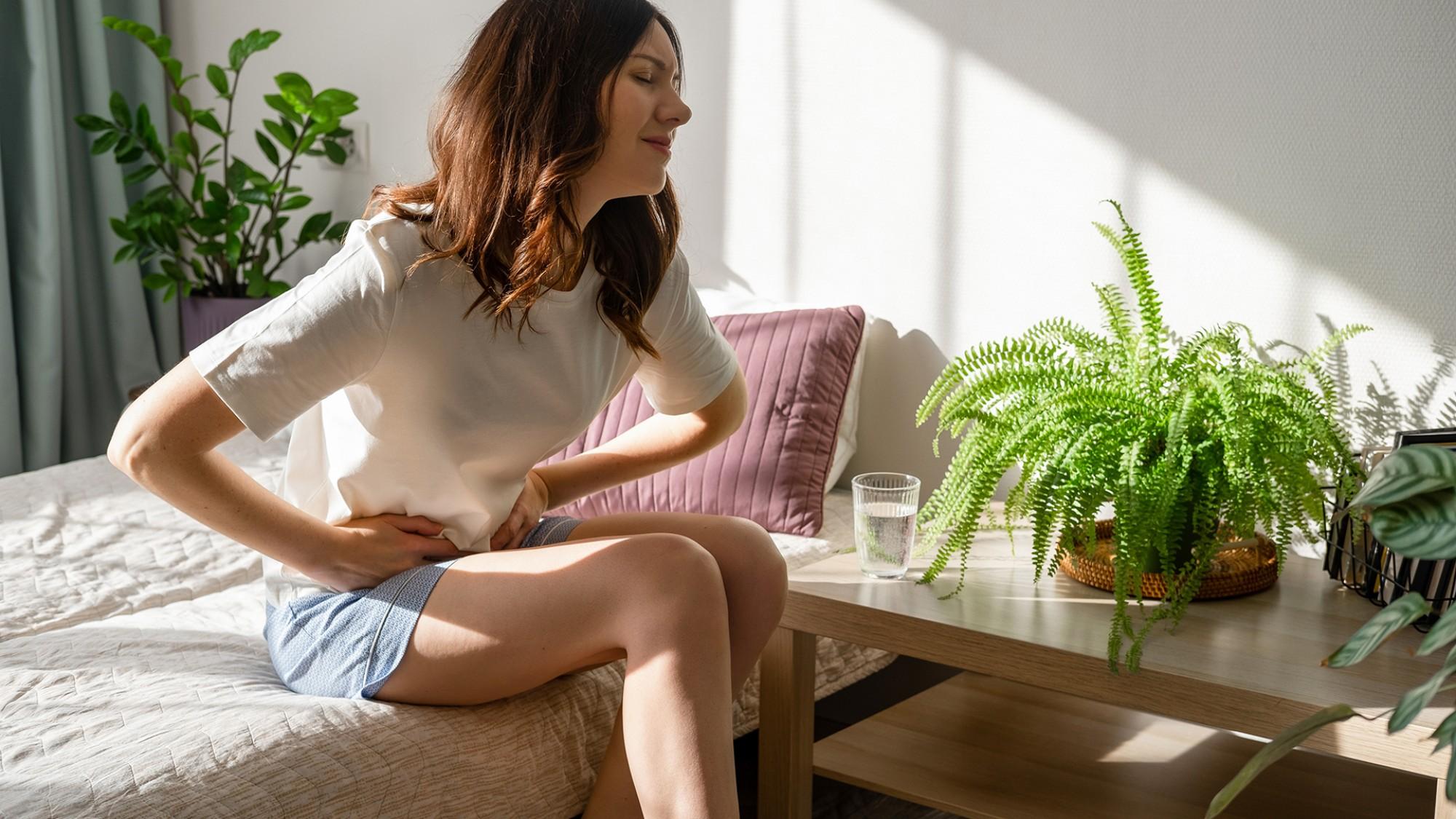
For many women, monthly periods are accompanied by cramps, bloating, and discomfort. It is often accepted as a normal part of life, something to be endured rather than treated. Mothers tell daughters, friends reassure friends, and cultural attitudes reinforce the idea that pain is simply part of being a woman. But what if it isn’t? What if pain during menstruation is not just “normal” but a sign of an underlying condition that needs medical attention? In Dubai and across the UAE, where healthcare options are world-class but awareness of women’s health issues is still catching up, understanding the difference between normal discomfort and abnormal pain could change lives.
Mild to moderate cramping during menstruation, caused by the uterus contracting to shed its lining, is indeed common. For many women, over-the-counter painkillers, heat pads, and rest are enough to manage symptoms. But when pain becomes severe — interfering with work, school, social life, or sleep it may no longer be “normal.” Unfortunately, countless women ignore these warning signs, often for years, because they have been conditioned to believe that suffering is inevitable. Doctors call this delay in seeking care the “normalization of pain,” and it is one of the biggest barriers to early diagnosis of conditions like endometriosis, fibroids, or pelvic inflammatory disease.
Endometriosis is a prime example. Affecting millions of women worldwide, it occurs when tissue similar to the lining of the uterus grows outside it, causing inflammation, scarring, and intense pain. Yet it is frequently misdiagnosed or dismissed as “bad period cramps.” Some women spend nearly a decade seeking answers before finally receiving a diagnosis. Left untreated, endometriosis can cause infertility, chronic pelvic pain, and significant emotional distress. Similarly, uterine fibroids, noncancerous growths in the uterus, can cause heavy bleeding, prolonged periods, and pressure symptoms, but many women simply assume their experiences are part of normal menstruation.
In Dubai, gynecologists are working to break this cycle of silence by encouraging women to pay closer attention to their symptoms. Pain that requires strong medication, lasts beyond menstruation, or worsens over time is not something to ignore. Neither is heavy bleeding that soaks through pads or tampons in less than two hours, nor periods that last longer than seven days. These are red flags, and they deserve medical evaluation. With advanced diagnostic tools like ultrasound, MRI, and minimally invasive laparoscopy, hospitals in the UAE can now detect conditions more quickly and accurately than ever before.
The reluctance to seek help is not only about stigma, it is also about perception. Many women fear that visiting a gynecologist will automatically lead to invasive procedures or unwanted advice about fertility. But in reality, the first step is often as simple as a consultation, where doctors listen to symptoms, ask questions about cycle patterns, and recommend basic tests. From there, treatment options range from medication and hormonal therapies to minimally invasive surgeries, depending on the diagnosis. The goal is not to pathologize every period but to ensure that pain does not go unchecked when it signals something more.
Education plays a key role in changing attitudes. Schools in Dubai are beginning to integrate menstrual health into their health education programs, helping young women understand what is typical and what is not. Public health campaigns are also addressing the cultural silence around menstruation, framing it as a health issue rather than a private inconvenience. By giving women and girls the vocabulary and confidence to talk about their cycles, the UAE is taking important steps toward breaking taboos.
It is equally important to recognize the emotional toll of untreated menstrual pain. Living with monthly suffering can lead to fatigue, depression, and feelings of helplessness. Women may plan their lives around their cycles, avoiding travel, social events, or even career opportunities. This hidden burden often goes unacknowledged, yet it has real consequences for mental health and quality of life. When women finally receive treatment, the sense of relief is often not just physical but deeply emotional, as if a long-standing weight has been lifted.
The good news is that effective treatments exist. For endometriosis, medications can reduce pain and suppress the condition’s progression, while laparoscopic surgery can remove growths with minimal downtime. Fibroids can be treated with procedures like myomectomy, hysteroscopic resection, or even uterine artery embolization. Lifestyle adjustments, such as dietary changes and stress management, can also play a role in reducing symptoms. What matters most is that women know they have options, and that seeking help is not a sign of weakness but of strength.
In a city like Dubai, where healthcare standards are among the highest in the region, no woman should have to accept debilitating pain as normal. The resources, specialists, and treatments are all here; the challenge is encouraging women to take that first step. Gynecologists, hospitals, and public health advocates are united in the message: if your period pain is disrupting your life, it is not something you should ignore.
The conclusion is simple but powerful. Menstruation may involve discomfort, but it should not involve suffering that steals joy, productivity, or peace of mind. When pain crosses that line, it is a medical issue, not just a personal inconvenience. By challenging myths, promoting awareness, and encouraging open conversations, Dubai is helping women reclaim their health and dignity. For every woman silently enduring pain each month, the message is clear: period pain is not always normal, and help is available.
Recent Posts


 04 406 3000
  04 406 3000
Quick Links
Legal
Working Hours
-
Out-patient Department
Monday to Saturday | 8 AM to 9 PM
Sunday | 10 AM to 6 PM
Emergency Department & Pharmacy | 24x7
Connect with us!




©2026 IMH. All Rights Reserved. Ministry of Health License No : TEBMJIU0-060622