

PCOS and Fertility – Breaking the Myths, Finding Real Solutions
PCOS and Fertility – Breaking the Myths, Finding Real Solutions
PCOS and Fertility – Breaking the Myths, Finding Real Solutions
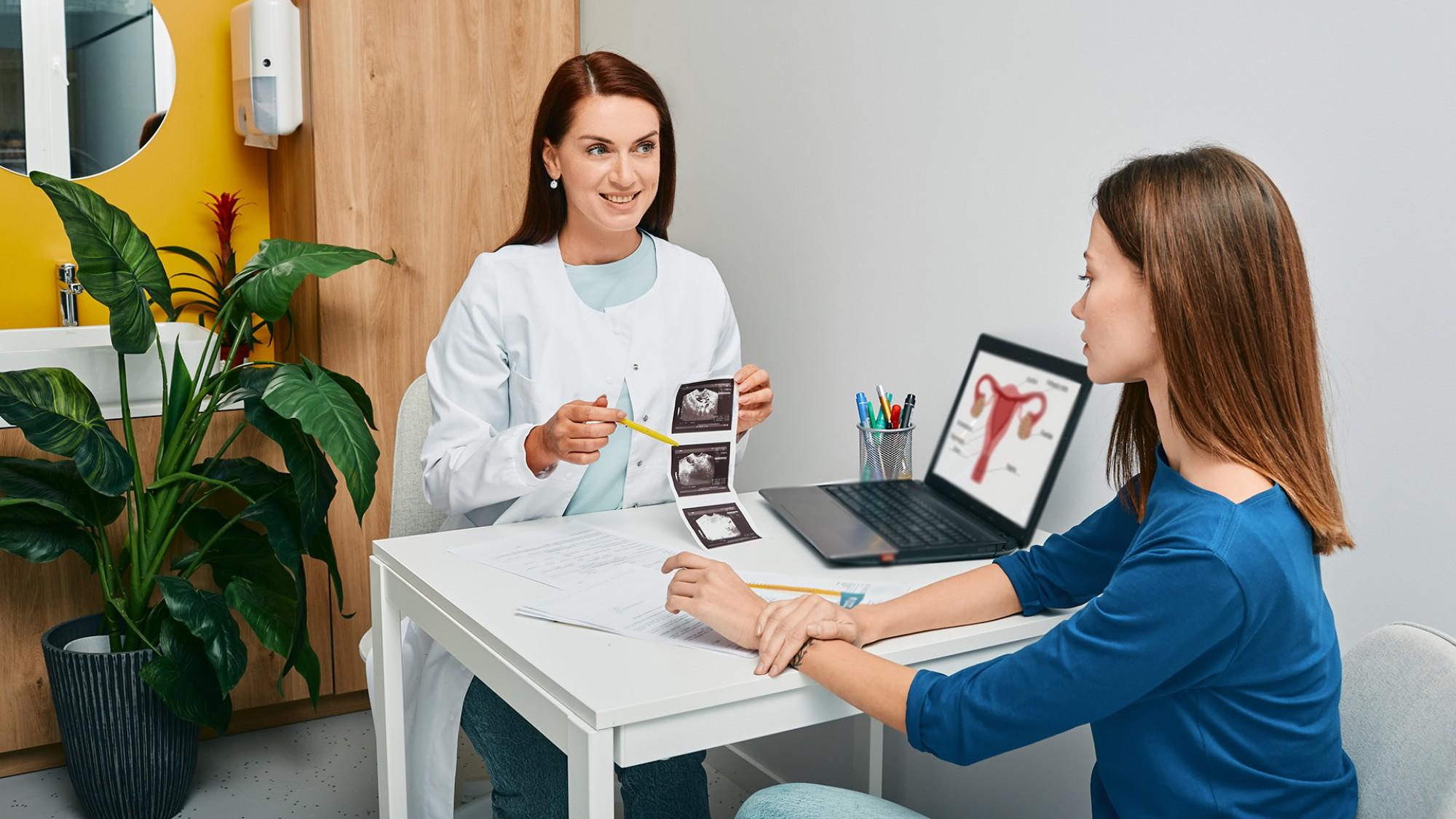
For many women, the diagnosis of polycystic ovary syndrome (PCOS) feels overwhelming. The name itself carries weight, suggesting complexity and permanence, and for those dreaming of starting a family, one of the first fears is whether PCOS means infertility. In Dubai and across the UAE, where women are increasingly balancing careers, education, and delayed childbearing, the worry about fertility is especially real. Yet while PCOS is one of the most common causes of infertility, it is also one of the most manageable. The myths that surround it often create more fear than the condition itself. With proper understanding, lifestyle changes, and medical support, countless women with PCOS go on to conceive and build healthy families.
PCOS is a hormonal condition that affects how the ovaries work. Women with PCOS often have irregular or absent ovulation, meaning that eggs are not released every month. This irregularity is one of the main reasons for infertility in PCOS. But irregular ovulation is not the same as no ovulation. Many women still release eggs, just less predictably. With the right support, cycles can often be regulated, and ovulation can be restored. Yet myths persist that PCOS automatically means lifelong infertility, that natural conception is impossible, or that women must resign themselves to invasive treatments. These misconceptions leave many women feeling hopeless, when in fact the outlook is far more positive.
One of the first steps in managing PCOS and fertility is lifestyle modification. Weight management, healthy eating, and regular exercise can make a dramatic difference. Even a modest weight loss of 5–10% can improve ovulation, regulate cycles, and increase the chances of pregnancy. In Dubai, where high-calorie diets and sedentary routines are common, lifestyle coaching is often one of the most effective first-line treatments. Balanced diets rich in whole grains, lean proteins, and healthy fats combined with consistent physical activity can reduce insulin resistance, one of the key drivers of PCOS.
Medical treatments also play a crucial role. Doctors often prescribe medications such as clomiphene citrate or letrozole to induce ovulation. For women who do not respond to these, injectable hormones or assisted reproductive technologies like in vitro fertilization (IVF) may be considered. The important point is that there are multiple pathways to achieving pregnancy, and most women with PCOS will not need to go directly to advanced fertility treatments. In the UAE, where fertility clinics are among the most advanced in the region, women have access to comprehensive options tailored to their unique circumstances.
Another myth is that pregnancy with PCOS is always high-risk. While it is true that women with PCOS may have higher rates of gestational diabetes or preeclampsia, careful monitoring and preventive care can significantly reduce these risks. Hospitals in Dubai routinely provide specialized antenatal care for women with PCOS, including early glucose screening, nutrition counseling, and regular ultrasound monitoring. With this support, the majority of pregnancies progress safely.
The emotional toll of PCOS cannot be underestimated. Women often feel guilt, frustration, or isolation when faced with fertility struggles. Cultural expectations can add further pressure, particularly in communities where motherhood is seen as central to a woman’s identity. Here, counseling and support groups play an essential role. Talking to others with the same condition, sharing experiences, and hearing success stories can ease the burden. Increasingly, clinics in Dubai are integrating psychological support into PCOS and fertility care, recognizing that mental health is inseparable from physical outcomes.
It is also important to remember that fertility is not the only concern in PCOS. The condition carries long-term health risks, including type 2 diabetes, metabolic syndrome, and cardiovascular disease. Women should not wait until they are ready for children to address PCOS. Early intervention protects fertility and overall health, ensuring a better quality of life now and in the future.
One of the more positive developments in recent years has been the rise of individualized treatment. Doctors are moving away from one-size-fits-all approaches, instead tailoring care based on a woman’s age, symptoms, and reproductive goals. For a young woman not yet ready for children, the focus may be on cycle regulation and symptom management. For another actively trying to conceive, ovulation induction or fertility treatments may be prioritized. This personalized care helps women feel seen, understood, and hopeful.
Ultimately, the narrative that PCOS equals infertility is outdated and damaging. The reality is far more hopeful: most women with PCOS can conceive, often with minimal intervention, and those who require medical support have a wide range of effective options. The key lies in awareness, proactive care, and breaking the myths that silence and discourage women.
For women in Dubai, the opportunity is unique. With access to world-class healthcare, advanced fertility clinics, and growing awareness campaigns, no woman needs to feel that PCOS defines her fertility. The message is clear: PCOS may make the journey more challenging, but it does not close the door to motherhood. With knowledge, support, and the right medical care, the path to building a family remains open and full of possibility.
Recent Posts




 04 406 3000
  04 406 3000
Quick Links
Legal
Working Hours
-
Out-patient Department
Monday to Saturday | 8 AM to 9 PM
Sunday | 10 AM to 6 PM
Emergency Department & Pharmacy | 24x7
Connect with us!




©2026 IMH. All Rights Reserved. Ministry of Health License No : TEBMJIU0-060622