

Obesity and Bone Health: How Extra Weight Impacts Your Joints
Obesity and Bone Health: How Extra Weight Impacts Your Joints
Obesity and Bone Health: How Extra Weight Impacts Your Joints
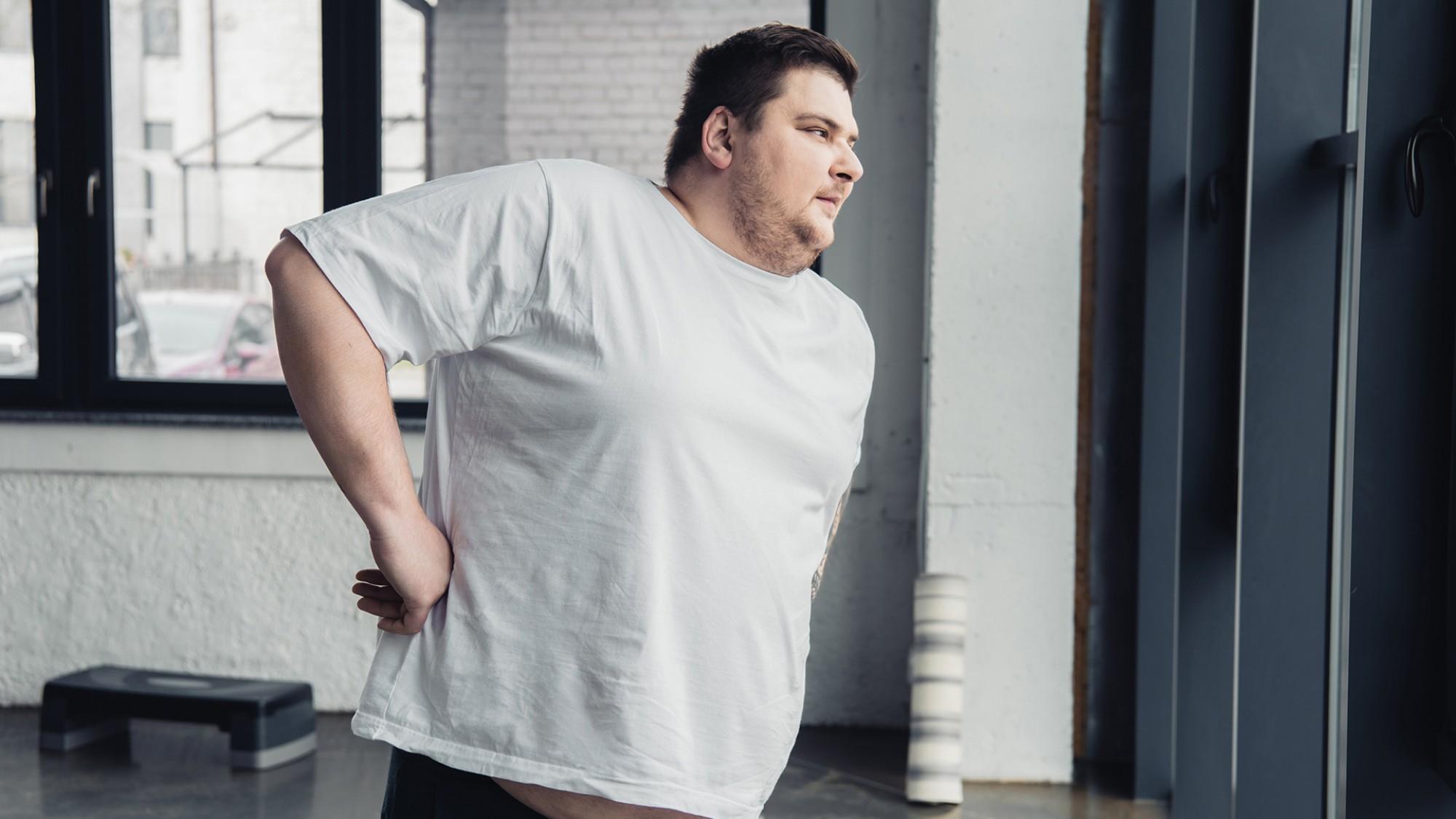
When we think of obesity, we often think of heart disease, diabetes, or high blood pressure. But there’s another silent victim — your bones and joints. Carrying extra weight doesn’t just sit on the outside; it places tremendous stress on the very structures designed to hold you upright.
Take Mahmoud, a 48-year-old teacher who came to our orthopedic clinic with worsening knee pain. At 105 kilos, he was struggling to climb stairs or walk more than a few minutes without discomfort. An X-ray revealed early osteoarthritis not because of old age, but because years of excess weight had worn down his joint cartilage prematurely.
Why Weight Matters for Your Joints
Every step you take multiplies your body weight across your joints. For example, the knees bear 3–4 times your body weight with each step. So, an extra 10 kilos can feel like 30–40 kilos pressing down on your knees all day long.
Obesity also leads to inflammation. Fat cells release chemicals called cytokines that increase inflammation throughout the body. This not only damages cartilage but also worsens conditions like rheumatoid arthritis.
Bones and Joints Most Affected by Obesity
-
Knees: Extra weight accelerates cartilage wear, leading to early arthritis.
-
Hips: Constant stress increases the risk of hip degeneration and replacement surgery.
-
Spine: Extra abdominal fat shifts posture, straining lower back discs and vertebrae.
-
Ankles & Feet: Carrying more weight can cause flat feet, tendonitis, and chronic pain.
Beyond Pain: Obesity Complicates Surgery
Orthopedic surgeons often find that obese patients face higher risks during and after surgery. Wound healing may be slower, infections more common, and recovery more challenging. This is why doctors often recommend weight management before joint replacement surgery.
What Can Be Done?
Ramesh’s turning point came when he lost 15 kilos through diet changes and regular swimming. His pain decreased by nearly 50%, and his orthopedic surgeon advised that surgery could be delayed for several years.
Simple steps you can take:
-
Choose low-impact exercises like swimming, cycling, or walking.
-
Focus on bone-strengthening foods: dairy, leafy greens, nuts, and vitamin D.
-
Consider medical advice on weight-loss programs or bariatric surgery if obesity is severe.
-
Schedule regular orthopedic wellness check-ups if you are overweight with joint pain.
The Takeaway
Obesity doesn’t just affect how you look or how you feel — it silently erodes the foundation of your body: your bones and joints. Losing weight may not only improve your mobility but also save you from early arthritis, knee replacement, or spine surgery.
Recent Posts



 04 406 3000
  04 406 3000
Quick Links
Legal
Working Hours
-
Out-patient Department
Monday to Saturday | 8 AM to 9 PM
Sunday | 10 AM to 6 PM
Emergency Department & Pharmacy | 24x7
Connect with us!




©2026 IMH. All Rights Reserved. Ministry of Health License No : TEBMJIU0-060622