

Myopia in Children: Why Screen Time Is Increasing Nearsightedness
Myopia in Children: Why Screen Time Is Increasing Nearsightedness
Myopia in Children: Why Screen Time Is Increasing Nearsightedness
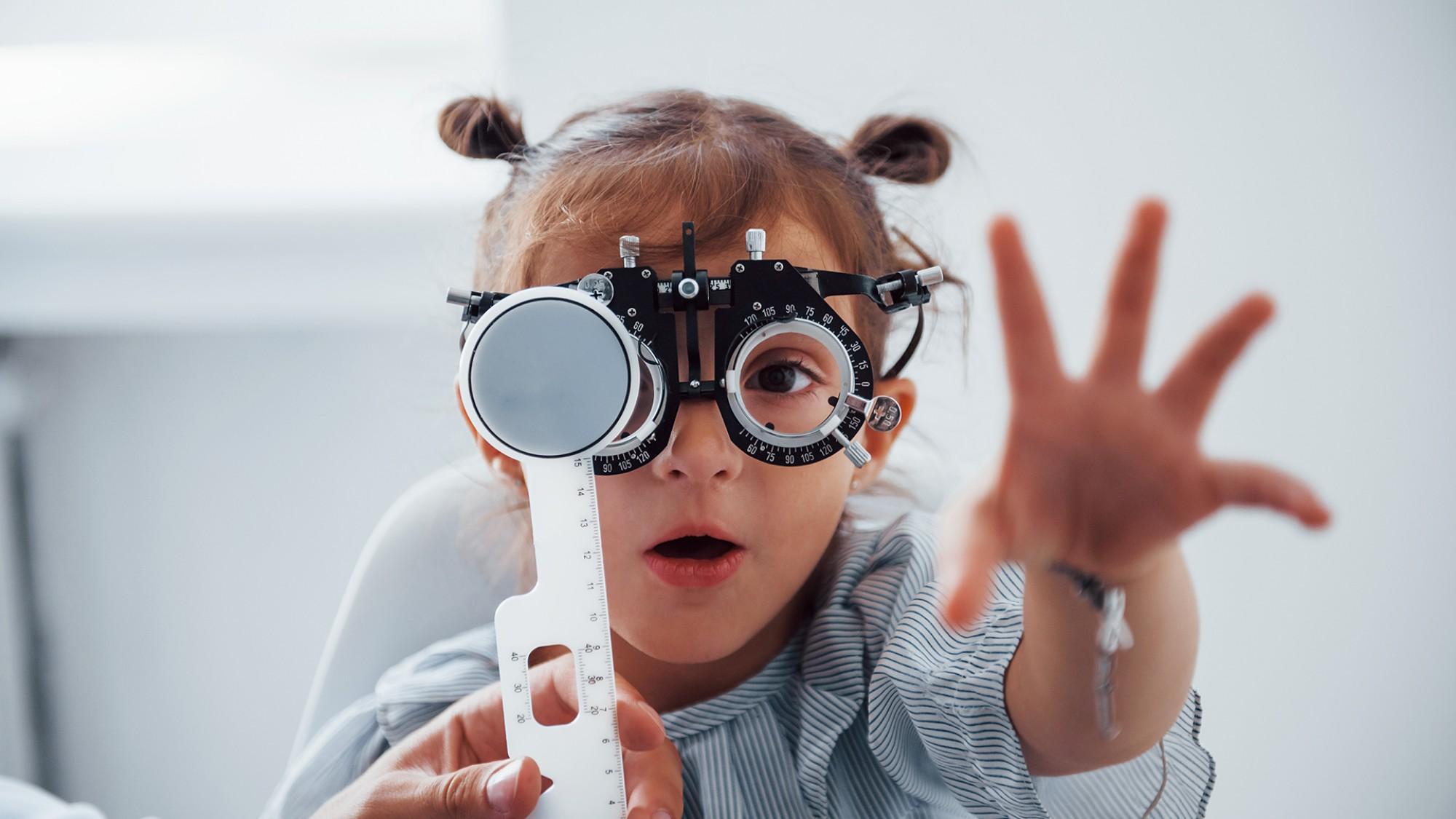
Myopia, or nearsightedness, has become a growing concern among children worldwide—and the UAE is no exception. Over the last decade, doctors have noticed a sharp rise in childhood myopia, driven largely by lifestyle changes. Increased screen exposure, reduced outdoor activity, heavy academic loads, and genetic predisposition all play major roles. What makes childhood myopia especially concerning is not just the need for glasses—it is the long-term risk of serious eye conditions as the child grows older. High myopia significantly increases the chances of retinal detachment, glaucoma, macular degeneration, and early cataract formation.
For many parents in Dubai, the first sign of myopia appears when a child struggles to read the board at school, sits too close to screens, or complains of headaches. But myopia begins developing long before symptoms are obvious. The eye elongates gradually, causing light to focus in front of the retina rather than directly on it. This structural change becomes permanent and worsens over time, especially if not addressed early. Unfortunately, many parents assume glasses alone solve the problem. While glasses correct vision, they do not stop the progression of myopia.
Screen time is a major factor. Children today spend more time than ever on digital devices—tablets, phones, laptops, and gaming consoles. Long hours of near work cause the eye to adapt to close focusing, encouraging elongation. Reduced blinking during screen use also causes dry eye and visual fatigue, which worsens discomfort. In the UAE, hot weather encourages indoor activities, reducing outdoor exposure—yet sunlight plays a protective role in slowing myopia development.
The good news is that myopia progression can be slowed with early intervention. Specialized treatment programs—including lifestyle modifications, outdoor activity recommendations, and structured visual habits—help reduce strain on the developing eye. Parents should ensure their children take breaks every 20 minutes during screen use, maintain proper lighting, and keep devices at the correct distance.
Annual eye exams are essential, especially for school-aged children. Detecting myopia early allows ophthalmologists to monitor progression and suggest preventive measures tailored to each child’s needs. Some children need more frequent check-ups depending on family history, reading habits, or early signs of progression.
The rise of childhood myopia is a major public health concern—but it is also manageable with the right approach. By addressing lifestyle habits, ensuring outdoor play, and seeking early evaluation, parents can protect their children's vision and reduce long-term risks. In a digital world, healthy vision requires intentional care—and children in the UAE deserve every opportunity to grow with clear, comfortable sight.
Recent Posts


 04 406 3000
  04 406 3000
Quick Links
Legal
Working Hours
-
Out-patient Department
Monday to Saturday | 8 AM to 9 PM
Sunday | 10 AM to 6 PM
Emergency Department & Pharmacy | 24x7
Connect with us!




©2026 IMH. All Rights Reserved. Ministry of Health License No : TEBMJIU0-060622