

Managing PCOS with Diet – What Works and What Doesn’t
Managing PCOS with Diet – What Works and What Doesn’t
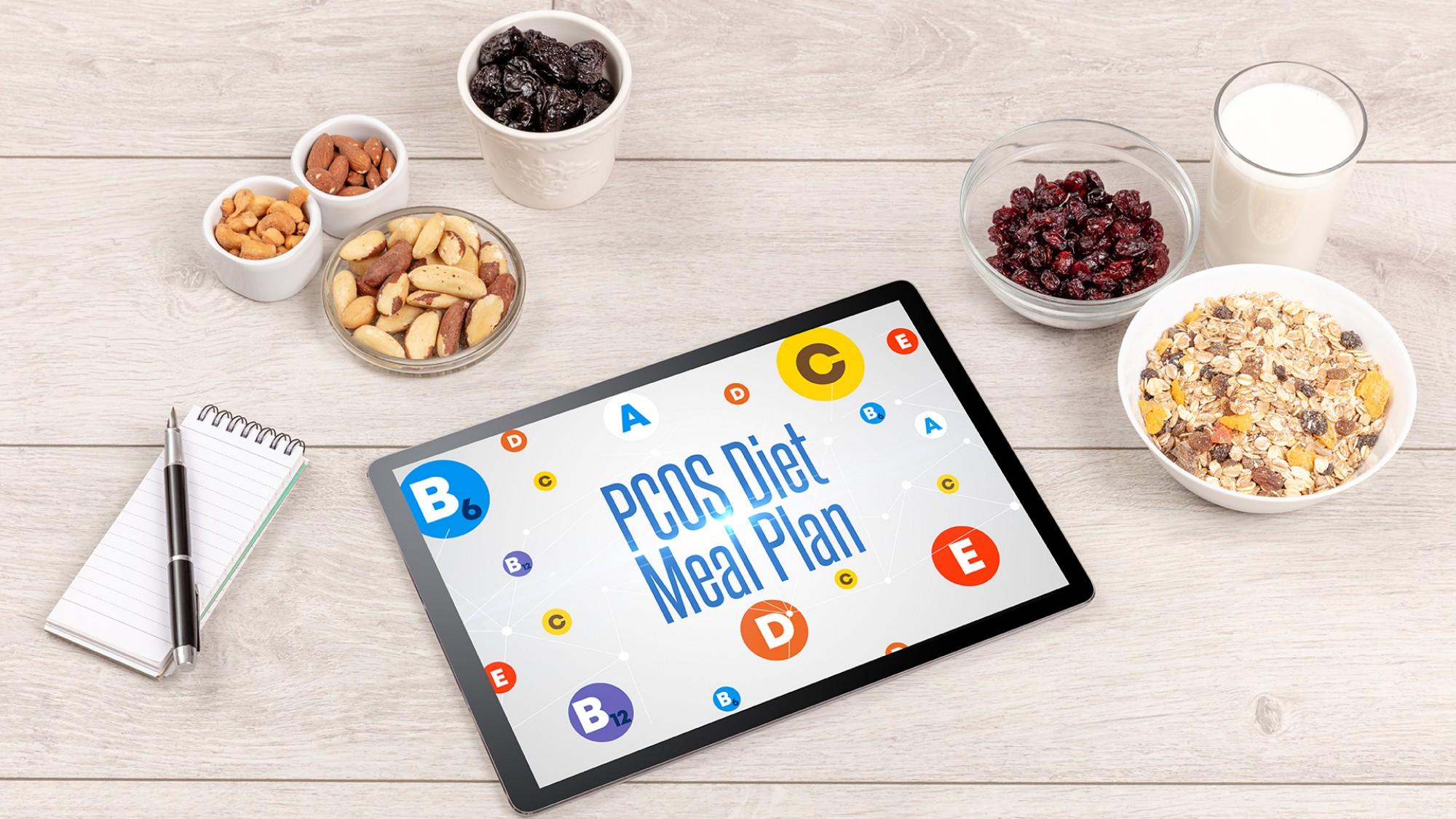
Managing PCOS with Diet – What Works and What Doesn’t
Polycystic ovary syndrome, better known as PCOS, is one of the most common hormonal conditions affecting women of reproductive age. It impacts nearly one in ten women globally, and in the Middle East, the numbers may be even higher due to lifestyle factors, genetic predisposition, and rising rates of obesity and insulin resistance. For women in Dubai, where busy careers and social commitments often leave little time for structured meal planning or exercise, PCOS can feel like a silent burden. Symptoms such as irregular periods, weight gain, acne, and hair loss are distressing enough, but the long-term risks of diabetes, infertility, and cardiovascular disease make it even more urgent to manage. While medications play a role, one of the most powerful tools for managing PCOS is diet. But with so much conflicting advice online, how do women know what works and what doesn’t?
The first truth to acknowledge is that there is no single “PCOS diet.” Instead, there are principles of nutrition that can help reduce symptoms and improve hormonal balance. Central to this is managing insulin resistance, a condition in which the body does not use insulin effectively, leading to elevated blood sugar levels. Since insulin resistance is closely linked to PCOS, diets that stabilize blood sugar are particularly beneficial. This means choosing complex carbohydrates such as whole grains, legumes, and vegetables over refined options like white bread, pastries, and sugary snacks. Women who switch from processed foods to fiber-rich meals often notice improvements in energy, appetite control, and even menstrual regularity.
Protein also plays a vital role. Lean sources such as chicken, fish, eggs, and plant-based proteins like lentils and beans help stabilize blood sugar and promote satiety. Combined with healthy fats from sources like avocados, nuts, olive oil, and seeds, they create balanced meals that prevent spikes and crashes in blood sugar. This balance is particularly important in Dubai, where tempting fast foods and high-sugar desserts are widely available. While occasional indulgence is fine, the daily pattern matters more. A breakfast of Greek yogurt with chia seeds and berries will support hormonal balance far better than sugary cereals or pastries.
One of the myths surrounding PCOS diets is the idea that women must cut out all carbohydrates. In reality, extremely low-carb diets may not be sustainable and can even lead to nutrient deficiencies. The key is moderation and choosing the right type of carbs. Foods with a low glycemic index (GI), such as quinoa, sweet potatoes, and legumes, release sugar slowly into the bloodstream, reducing insulin spikes. Pairing carbs with protein or fat further stabilizes blood sugar. On the other hand, sweetened drinks, energy bars, and processed snacks are clear examples of what doesn’t work. These foods worsen insulin resistance and contribute to weight gain, fueling the cycle of PCOS symptoms.
Another dietary misconception is that weight loss alone cures PCOS. While losing excess weight can significantly improve symptoms for many women, PCOS is not exclusively a weight-related condition. Even lean women can have PCOS and require careful dietary management. Focusing solely on the scale often creates frustration and overlooks the importance of balanced nutrition, physical activity, and stress management. In fact, restrictive fad diets often backfire, causing rebound weight gain and worsening symptoms. Sustainable lifestyle changes, not quick fixes, are the key.
In the UAE, where vitamin D deficiency is surprisingly common despite abundant sunshine, supplementation and diet also play a role in PCOS management. Vitamin D supports insulin sensitivity and reproductive health, making foods such as fortified dairy, fatty fish, and eggs important additions. Similarly, antioxidants found in colorful fruits and vegetables combat inflammation, another driver of PCOS symptoms. Herbs and spices commonly used in Middle Eastern cuisine, such as cinnamon and turmeric, have also shown promise in supporting blood sugar balance.
Caffeine and dairy are two areas of debate. Some women with PCOS report that reducing caffeine improves anxiety and sleep, while others tolerate it well in moderation. Dairy, particularly low-fat and fermented varieties like yogurt and kefir, may benefit some women but worsen acne in others. The lesson here is personalization: PCOS is not a one-size-fits-all condition, and women should work with their healthcare providers or dietitians to discover what foods best support their unique needs.
Equally important is the way women approach food emotionally. PCOS can be frustrating, especially when symptoms persist despite efforts. Emotional eating, guilt, and yo-yo dieting are common traps. In Dubai, where wellness culture is growing, resources like nutrition counseling, support groups, and fitness programs tailored to women can make a big difference. Incorporating mindful eating, paying attention to hunger cues, savoring meals, and avoiding distractions can help women build a healthier relationship with food.
Ultimately, diet is not a cure for PCOS, but it is one of the most effective tools for management. What works is balance: whole foods, regular meals, fiber, lean protein, healthy fats, and moderation with carbohydrates. What doesn’t work are quick fixes, highly processed foods, and extremes that ignore sustainability. Combined with regular exercise, stress reduction, and medical support, diet gives women the power to reclaim control over their symptoms.
For women in Dubai, the message is empowering. With access to diverse foods, world-class healthcare, and growing awareness, managing PCOS through diet is not only possible but practical. Every balanced plate is a step toward hormonal harmony, improved fertility, and long-term health. The goal is not perfection but progress — and with consistency, women with PCOS can live full, vibrant lives, free from the myths that once limited their choices.
Recent Posts




 04 406 3000
  04 406 3000
Quick Links
Legal
Working Hours
-
Out-patient Department
Monday to Saturday | 8 AM to 9 PM
Sunday | 10 AM to 6 PM
Emergency Department & Pharmacy | 24x7
Connect with us!




©2026 IMH. All Rights Reserved. Ministry of Health License No : TEBMJIU0-060622