

Low FODMAP Diet A Fad or a Proven IBS Solution
Low FODMAP Diet A Fad or a Proven IBS Solution
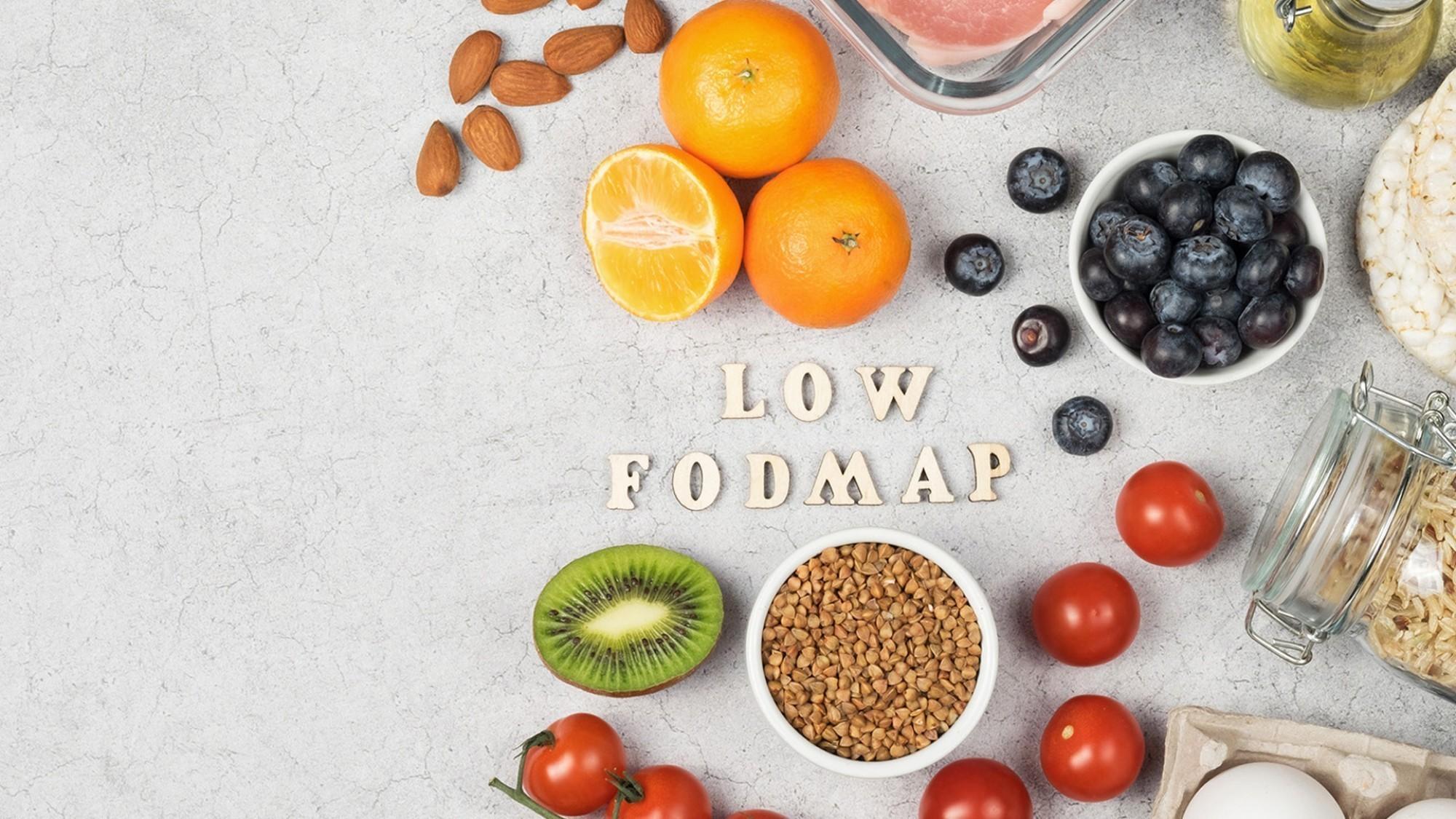
Low FODMAP Diet A Fad or a Proven IBS Solution
If you spend even a few minutes scrolling through Instagram wellness accounts, you’ve probably seen the term “low FODMAP” pop up. Bloggers, influencers, and even packaged food brands have embraced it, promising relief from bloating, abdominal gas, and irritable bowel symptoms. But is the low FODMAP diet just another passing food trend, or is it backed by real science? Let’s decode the hype.
What Exactly Are FODMAPs?
FODMAP stands for Fermentable Oligosaccharides, Disaccharides, Monosaccharides, and Polyols — a mouthful of science that basically refers to certain carbohydrates that are poorly absorbed in the gut.
When these carbs reach the large intestine undigested, they are rapidly fermented by gut bacteria. The result? Excess gas, bloating, abdominal cramps, diarrhea, or constipation. For people with a sensitive digestive system, like those with Irritable Bowel Syndrome (IBS), FODMAPs can be major symptom triggers.
Why the Low FODMAP Diet Became Popular?
Originally developed by researchers at Monash University in Australia, the diet was designed as a clinical tool to manage IBS. Over the last decade, multiple studies have confirmed that reducing high-FODMAP foods can relieve symptoms in up to 75% of IBS patients.
Given that IBS affects about 10–15% of adults globally, it’s no wonder the diet has crossed over from clinics into mainstream wellness conversations.
The Science vs. The Hype
Here’s where we separate evidence from exaggeration:
Science-backed for IBS: The low FODMAP diet is one of the most effective dietary interventions for IBS. Patients often report significant improvement in bloating relief, irregular bowel movements, and abdominal pain.
❌ Not for everyone: Despite its popularity online, it’s not a lifestyle diet for the general public. For people without IBS, avoiding FODMAPs unnecessarily can make eating restrictive and socially difficult.
❌ Not meant to be permanent: A common misconception is that it’s a lifelong diet. In reality, it’s designed in three phases — elimination, reintroduction, and personalization.
How the Low FODMAP Diet Works
1. Elimination phase (2–6 weeks) – Remove high-FODMAP foods such as wheat, garlic, onions, beans, apples, and milk.
2. Reintroduction phase – Gradually add back specific foods to identify which ones trigger symptoms.
3. Personalization – Long-term diet includes only the FODMAPs that cause issues, making it sustainable and less restrictive.
This structured approach makes it clear which foods trigger IBS flare-ups and which don’t.
Common Misconceptions About the Diet
“Everyone should try it for better digestion.”
→ The diet is only necessary for people with IBS or chronic bloating issues.
“Low FODMAP means healthy eating.”
→ Plenty of high-FODMAP foods (like apples, lentils, and yogurt) are very healthy for most people.
“You can do it on your own.”
→ Without professional guidance, many patients end up over-restricting and risking nutritional deficiencies.
Practical Tips for IBS Patients
• Work with a gastroenterologist or dietitian who understands the low FODMAP method.
• Focus on what you can eat: rice, oats, eggs, zucchini, grapes, carrots, and lactose-free dairy are safe options.
• Remember, reintroduction is key. The goal isn’t to avoid FODMAPs forever, but to identify which ones your body tolerates.
So, Fad or Fact?
Unlike detox cleanses or fad diets that come and go, the low FODMAP diet is clinically proven and here to stay but only for the right patients. If you suffer from IBS, spastic bowel, or chronic bloating, it can be life-changing when done properly. If you don’t, it’s best to leave this “trend” alone and stick to a balanced diet.
Struggling with IBS symptoms? A consultation with a gastroenterologist is the safest way to decide if the low FODMAP diet is right for you.
Recent Posts




 04 406 3000
  04 406 3000
Quick Links
Legal
Working Hours
-
Out-patient Department
Monday to Saturday | 8 AM to 9 PM
Sunday | 10 AM to 6 PM
Emergency Department & Pharmacy | 24x7
Connect with us!




©2026 IMH. All Rights Reserved. Ministry of Health License No : TEBMJIU0-060622