

Life After Colorectal Surgery – What Patients Should Expect
Life After Colorectal Surgery – What Patients Should Expect
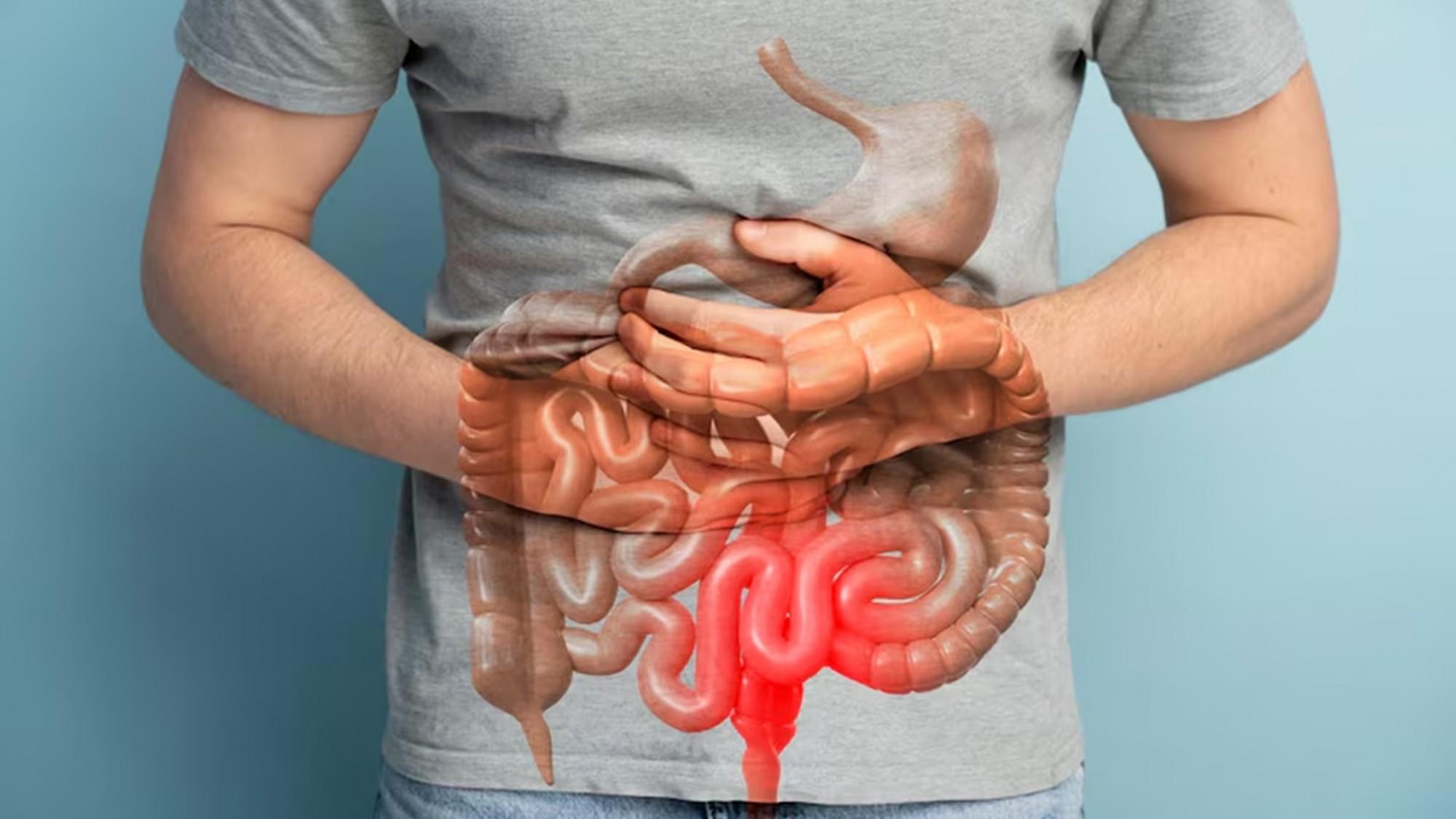
Life After Colorectal Surgery – What Patients Should Expect
When you hear the words colorectal surgery, it’s natural to feel anxious. For many patients, it’s not just the surgery itself that brings worry, but the uncertainty of what life will be like afterward. Will I be able to eat normally again? Will I need a colostomy bag forever? How long before I feel like myself? These are common and very real questions. The truth is that recovery after colon or rectal surgery is a journey, but one that often leads to better health, greater comfort, and freedom from painful or dangerous conditions like colorectal cancer, diverticulitis, or inflammatory bowel disease (IBD).
Understanding Why Surgery Was Needed
Colorectal surgery is performed for different reasons. Some patients face malignant conditions such as colon cancer, rectal cancer, or large bowel tumors, while others deal with non-cancerous but debilitating diseases like ulcerative colitis, Crohn’s disease, or severe colon inflammation. For many, polyps discovered during a routine colonoscopy may turn out to be precancerous or malignant, requiring part of the colon or rectum to be removed.
While the idea of losing a section of the bowel can feel overwhelming, surgery often gives patients the best chance at a cure, control of the disease, or simply a better quality of life free from recurring pain, bleeding, or digestive distress.
The Recovery Journey
Immediately after surgery, patients are monitored closely in the hospital. Thanks to minimally invasive and laparoscopic techniques, recovery is much faster than it once was. Instead of large incisions, surgeons often operate using a few small cuts, reducing pain and speeding up healing. Still, the body needs time to adjust.
In the days following surgery, it’s common to start with clear liquids before slowly reintroducing soft foods. The intestines need time to “wake up” and function normally again. Some patients may experience bloating, temporary diarrhea, or constipation, but these usually settle as the digestive system heals.
Living With a Stoma (If needed)
For some patients, particularly after rectal surgery, the surgeon may create a temporary or permanent stoma, an opening on the abdomen that allows waste to pass into a bag. This can feel daunting at first, but with support from stoma care nurses, most patients adapt quickly. Today’s stoma appliances are discreet, comfortable, and allow people to live active, normal lives, including exercising, traveling, and socializing without embarrassment.
Importantly, not all colorectal surgeries require a stoma, and when they do, it is often temporary until the bowel heals.
Returning to Normal Life
One of the biggest questions patients ask is: “When will I feel like myself again?” The answer depends on the type of surgery, the underlying condition, and the patient’s overall health. Many people return to work and regular routines within four to six weeks. Over time, dietary adjustments help smooth digestion, for example, eating smaller meals, avoiding foods that trigger gas, and staying well-hydrated.
Doctors often recommend routine follow-up, which may include blood tests, colonoscopy, or imaging, especially if the surgery was for colorectal cancer. These check-ups are crucial for long-term monitoring and peace of mind.
The Emotional Side of Recovery
Life after colorectal surgery isn’t just about physical healing. It’s also about adjusting emotionally. Fear of recurrence, anxiety about body image, or even embarrassment around new digestive patterns are common feelings. Support groups, counseling, and open conversations with healthcare providers can make a world of difference. Patients often find that sharing their experiences helps reduce stigma and empowers them to live confidently.
A New Chapter of Health
For many, colorectal surgery marks the start of a healthier, stronger chapter. Patients who once struggled with chronic pain, bleeding, or constant trips to the bathroom often feel liberated after healing. For those who faced colorectal cancer, surgery provides hope and a chance at long-term survival.
The journey is not always easy, but with today’s advances in surgical techniques, nutrition, and rehabilitation, life after colorectal surgery is not just manageable; it can be fulfilling and empowering.
Recent Posts



 04 406 3000
  04 406 3000
Quick Links
Legal
Working Hours
-
Out-patient Department
Monday to Saturday | 8 AM to 9 PM
Sunday | 10 AM to 6 PM
Emergency Department & Pharmacy | 24x7
Connect with us!




©2026 IMH. All Rights Reserved. Ministry of Health License No : TEBMJIU0-060622