

Kids & Sports Injuries: What Parents Should Know
Kids & Sports Injuries: What Parents Should Know
Kids & Sports Injuries: What Parents Should Know
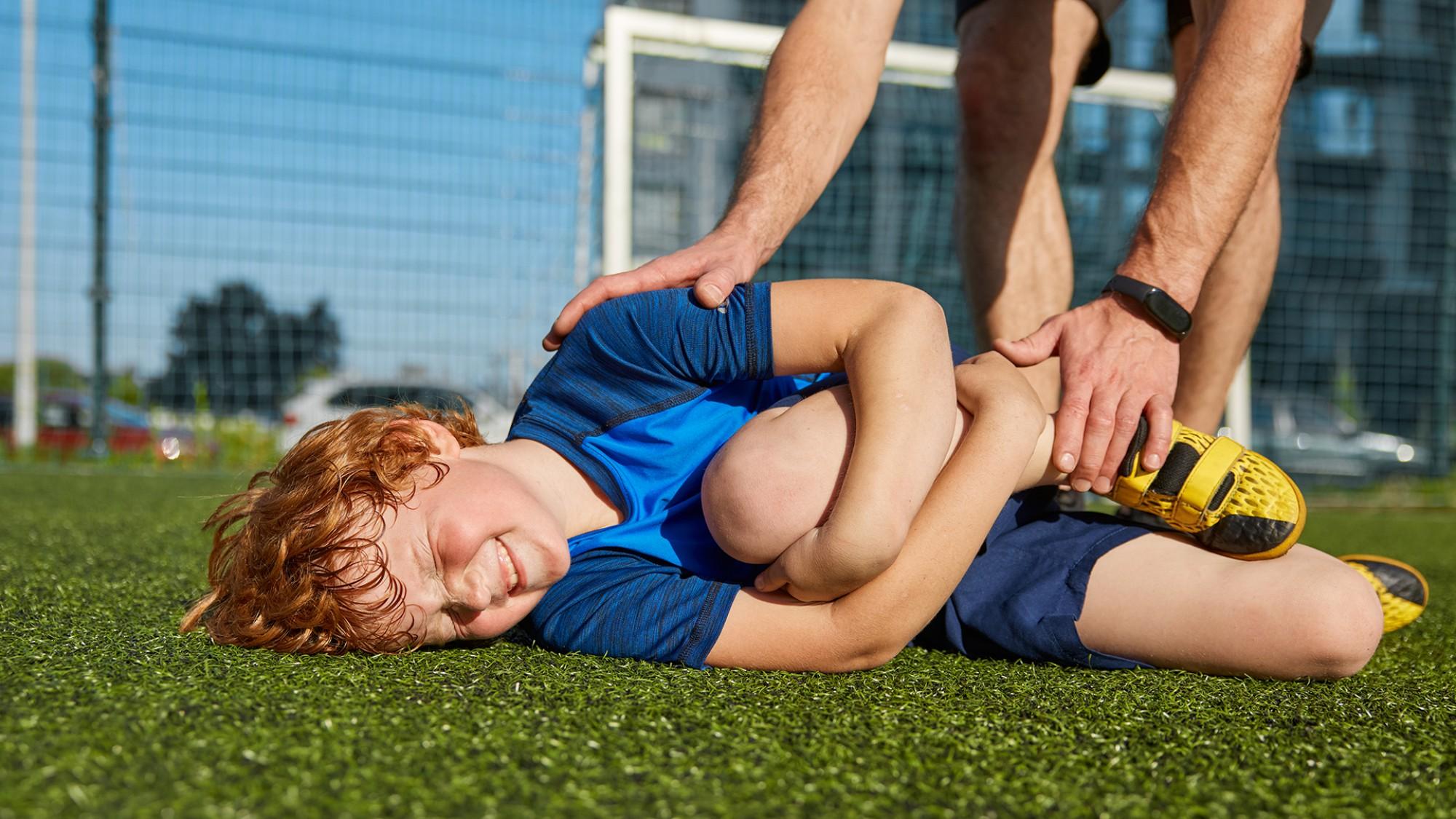
For many children, sports are more than just games — they’re a way to make friends, stay active, and build confidence. But alongside the benefits comes the risk of injury, and for parents, that first trip to the orthopedic clinic with a hurt child can be nerve-wracking.
Take Aarav, a 12-year-old football enthusiast who twisted his knee during a weekend match. At first, his parents thought it was just a bruise and that some rest and ice would fix it. But after a week, the swelling hadn’t gone down, and Aarav was still limping. A visit to a pediatric orthopedic specialist revealed a ligament sprain — something that, if ignored, could have affected his growth plate and caused long-term knee instability.
Children aren’t just “small adults” — their bones, muscles, and joints are still developing, which means they can heal faster but also be more vulnerable to certain types of injuries. Common sports injuries in kids include:
-
Sprains and strains
-
Growth plate fractures
-
Knee injuries like ACL or meniscus tears
-
Shoulder overuse injuries from sports like swimming or tennis
The good news is that most of these can be treated without surgery, especially when diagnosed early. Pediatric orthopedic care focuses on gentle, age-appropriate treatment — from custom braces and physiotherapy to minimally invasive procedures when necessary.
Parents can help prevent injuries by encouraging proper warm-ups, ensuring the right equipment and footwear, and making sure kids get rest days between intense training sessions. And perhaps most importantly, by listening to their children when they say something hurts, kids often try to “play through” pain, which can make injuries worse.
Aarav’s story ended well. With a tailored physiotherapy plan and gradual return to training, he was back on the field within two months — stronger, smarter, and more aware of how to protect his body.
As a parent, the goal isn’t to shield your child from all injuries — that’s impossible. The goal is to recognize warning signs early, seek professional advice, and give them the tools to play safely for years to come.
Recent Posts


 04 406 3000
  04 406 3000
Quick Links
Legal
Working Hours
-
Out-patient Department
Monday to Saturday | 8 AM to 9 PM
Sunday | 10 AM to 6 PM
Emergency Department & Pharmacy | 24x7
Connect with us!




©2026 IMH. All Rights Reserved. Ministry of Health License No : TEBMJIU0-060622