

Kidney Disease Awareness: Protecting the Body’s Silent Filters
Kidney Disease Awareness: Protecting the Body’s Silent Filters
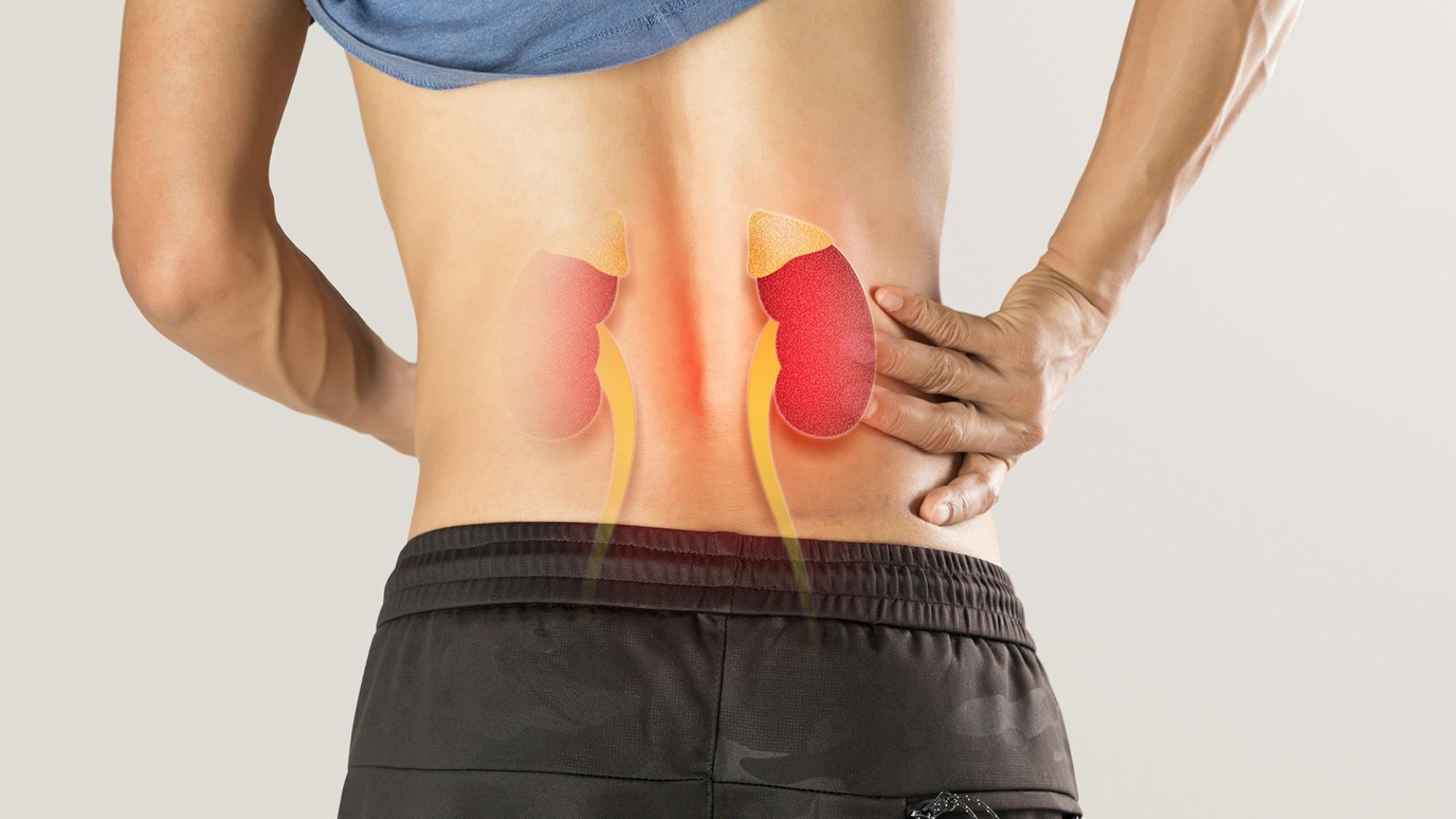
Kidney Disease Awareness: Protecting the Body’s Silent Filters
Kidneys are often overlooked in discussions about health, yet they perform one of the body’s most vital roles: filtering toxins, balancing fluids, and regulating blood pressure. When kidney function begins to decline, the consequences can be devastating. The tragedy is that kidney disease often progresses silently, showing few symptoms until the damage is advanced. In the UAE, where diabetes and hypertension are widespread, chronic kidney disease has become a growing concern. Raising awareness is critical to preventing a looming health crisis.
Chronic kidney disease, or CKD, refers to the gradual loss of kidney function over months or years. It is commonly caused by uncontrolled diabetes, high blood pressure, recurrent infections, or inherited conditions like polycystic kidney disease. Acute kidney injury, a sudden decline in function, can also occur due to severe dehydration, infections, or medication side effects. Both forms can lead to end-stage renal disease, requiring dialysis or transplant.
Early symptoms are subtle and easily dismissed: swelling in the legs, persistent fatigue, reduced urine output, or high blood pressure that resists treatment. Many patients discover CKD only when blood tests reveal elevated creatinine or when imaging shows kidney shrinkage. By then, significant damage may already have occurred.
The good news is that kidney disease can be slowed or even prevented with early intervention. Regular check-ups, especially for those with diabetes or hypertension, are essential. Simple tests such as urine analysis and kidney function blood tests can reveal problems early. Managing blood sugar, controlling blood pressure, staying hydrated, and avoiding overuse of painkillers are key preventive steps.
In Dubai, specialized clinics provide advanced diagnostics such as ultrasound, CT scans, and biopsies when needed. For patients in advanced stages, internists and nephrologists work together to plan dialysis, manage complications, and prepare for transplant if required. Equally important is dietary counseling, which helps patients adjust protein, salt, and fluid intake to reduce strain on the kidneys.
Beyond physical health, kidney disease carries emotional weight. Patients often feel anxious about dialysis or overwhelmed by the idea of lifelong treatment. Family support, counseling, and patient education programs ease this journey. In a society where strong family ties are the norm, involving loved ones in care makes a profound difference.
Kidney disease is not a death sentence, but it is a warning sign. By prioritizing early detection, lifestyle modification, and consistent follow-up, patients can protect their kidneys and avoid progression. In Dubai, where cutting-edge care meets cultural sensitivity, kidney health does not have to be neglected—it can be safeguarded with awareness, action, and care.
Recent Posts





 04 406 3000
  04 406 3000
Quick Links
Legal
Working Hours
-
Out-patient Department
Monday to Saturday | 8 AM to 9 PM
Sunday | 10 AM to 6 PM
Emergency Department & Pharmacy | 24x7
Connect with us!




©2026 IMH. All Rights Reserved. Ministry of Health License No : TEBMJIU0-060622