

Is Your Joint Pain More Than Just Age When It’s Time to See an Orthopedic Specialist
Is Your Joint Pain More Than Just Age When It’s Time to See an Orthopedic Specialist

Is Your Joint Pain More Than Just Age? When It’s Time to See an Orthopedic Specialist
It starts small — an ache in your knee after a long walk, stiffness in your hip when you wake up, or a twinge in your shoulder when you reach for something. You brush it off, telling yourself it’s just part of “getting older.” But weeks pass, the discomfort becomes more frequent, and you start avoiding activities you once enjoyed. What many people don’t realize is that not all joint pain is simply age-related wear and tear — and delaying treatment can sometimes make things worse.
Joint pain can have many causes. While aging does play a role, other factors like past injuries, arthritis (including osteoarthritis and rheumatoid arthritis), obesity, or even certain sports can stress the joints beyond their limit. In some cases, what starts as mild stiffness could be the early stage of a condition that, if treated early, might not require surgery at all.
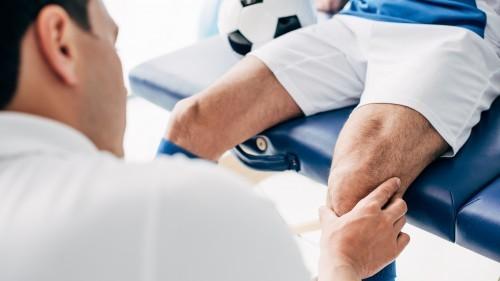
When should you be concerned? If pain lasts more than a few weeks, interrupts your sleep, or comes with swelling, redness, or difficulty moving the joint, it’s a signal your body needs help. Some patients notice their knee “giving way” when walking or their hip locking after sitting — these are not just signs of aging but potential symptoms of cartilage damage, ligament injury, or chronic joint disease.
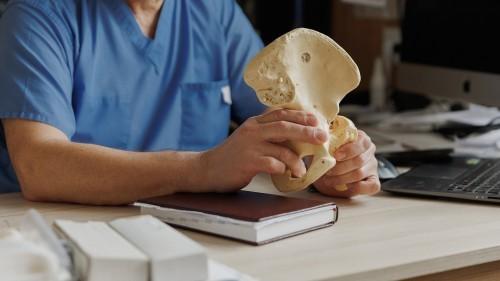
Visiting an orthopedic specialist doesn’t automatically mean surgery. In fact, many cases can be managed with targeted physiotherapy, anti-inflammatory medications, or joint injections like PRP (platelet-rich plasma). For those who do need surgery, minimally invasive techniques such as arthroscopy or robotic-assisted joint replacement mean faster recovery, smaller scars, and far less discomfort than traditional approaches.
Take the example of a patient in their early 50s who came in thinking they had “just a touch of arthritis.” Imaging revealed a small meniscus tear — something that could be fixed through a short, minimally invasive procedure. Within weeks, they were back to cycling, pain-free. Without timely intervention, that small tear could have progressed to advanced joint damage requiring a full replacement.
The bottom line: ignoring joint pain and hoping it will go away is a gamble. An early diagnosis can make the difference between a simple treatment plan and major surgery. If you’ve been living with persistent joint pain, now is the time to take the first step toward recovery.
Recent Posts



 04 406 3000
  04 406 3000
Quick Links
Legal
Working Hours
-
Out-patient Department
Monday to Saturday | 8 AM to 9 PM
Sunday | 10 AM to 6 PM
Emergency Department & Pharmacy | 24x7
Connect with us!




©2026 IMH. All Rights Reserved. Ministry of Health License No : TEBMJIU0-060622