

Is Keyhole Surgery Right for Me? What Patients Need to Know Before Saying Yes
Is Keyhole Surgery Right for Me? What Patients Need to Know Before Saying Yes
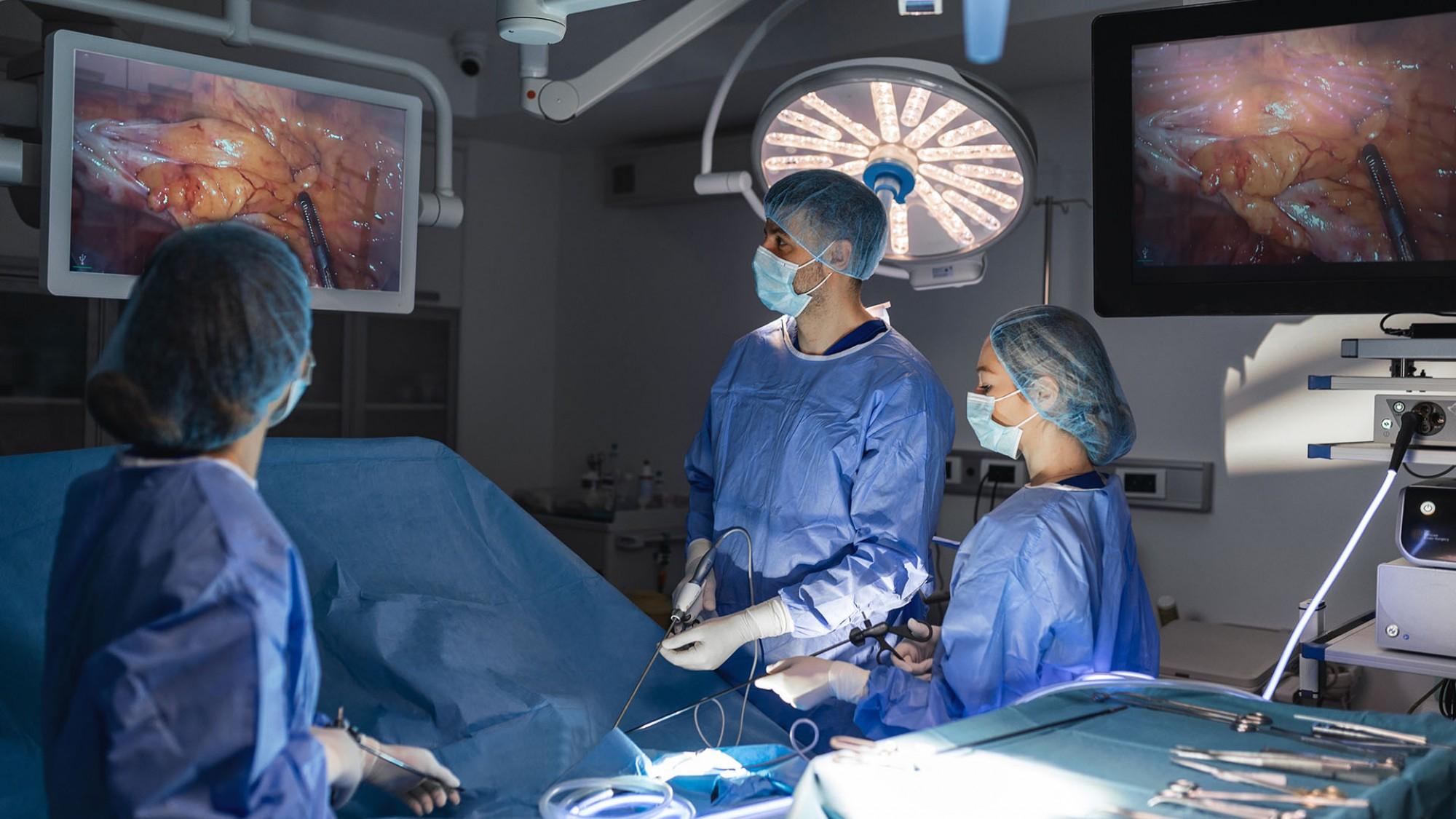
After bariatric surgery, your stomach may be smaller, but your nutritional Keyhole surgery, medically known as laparoscopic surgery or laparoscopy, is transforming the landscape of general surgery. Patients today are often curious about this minimally invasive technique and whether it is a suitable alternative to traditional open surgery. If you're considering a surgical procedure like an appendectomy, cholecystectomy, fundoplication, or sleeve gastrectomy, understanding keyhole or laparoscopic surgery options is crucial.
Unlike open procedures, laparoscopic surgery involves a few small incisions through which specialized instruments and a camera are inserted. This allows the general surgeon to operate with precision and minimal disruption to surrounding tissues. The benefits? Less post-operative pain, faster recovery times, reduced hospital stays, and smaller scars.
Common keyhole surgeries include laparoscopic appendectomy (lap appy), cholecystectomy operation (gall bladder removal), diagnostic laparoscopy, and even bariatric procedures like sleeve gastrectomy. Conditions such as appendicitis, gallstones, GERD, and obesity can often be addressed through these techniques.
Patients often ask about recovery time after a laparoscopic appendectomy or healing time for appendix removal. Typically, recovery after an appendectomy is quicker when done laparoscopically, with most patients returning to daily routines within 1–2 weeks. This is significantly shorter than traditional methods.
So, is keyhole surgery right for you? That depends on your condition, the expertise of the general surgeon near you, and whether you’re a suitable candidate. Diagnostic laparoscopy can help determine this. For example, if you're dealing with appendicitis or gallbladder issues (cholecystec), laparoscopic surgery is often the gold standard.
Talk to a qualified general surgical expert who performs laparoscopic chole, lap cholecystectomy, or laparoscopic salpingectomy. They can explain the types of anesthetics used, recuperation time for appendectomy, and healing after a gall bladder removal operation, and help weigh the benefits of lap versus open.
In conclusion, laparoscopic surgery offers an effective, low-impact solution for a wide range of health conditions — from acute appendicitis to gastric sleeve procedures. Always consult your general surgeon to explore the best surgical pathway tailored to your needs. Whether it's a lap chole operation, a lap nissen fundoplication, or understanding your appendectomy reasons, being informed leads to better decisions.
Recent Posts



 04 406 3000
  04 406 3000
Quick Links
Legal
Working Hours
-
Out-patient Department
Monday to Saturday | 8 AM to 9 PM
Sunday | 10 AM to 6 PM
Emergency Department & Pharmacy | 24x7
Connect with us!




©2026 IMH. All Rights Reserved. Ministry of Health License No : TEBMJIU0-060622