

IBS and Diet Fads — What Actually Works
IBS and Diet Fads — What Actually Works
IBS and Diet Fads — What Actually Works
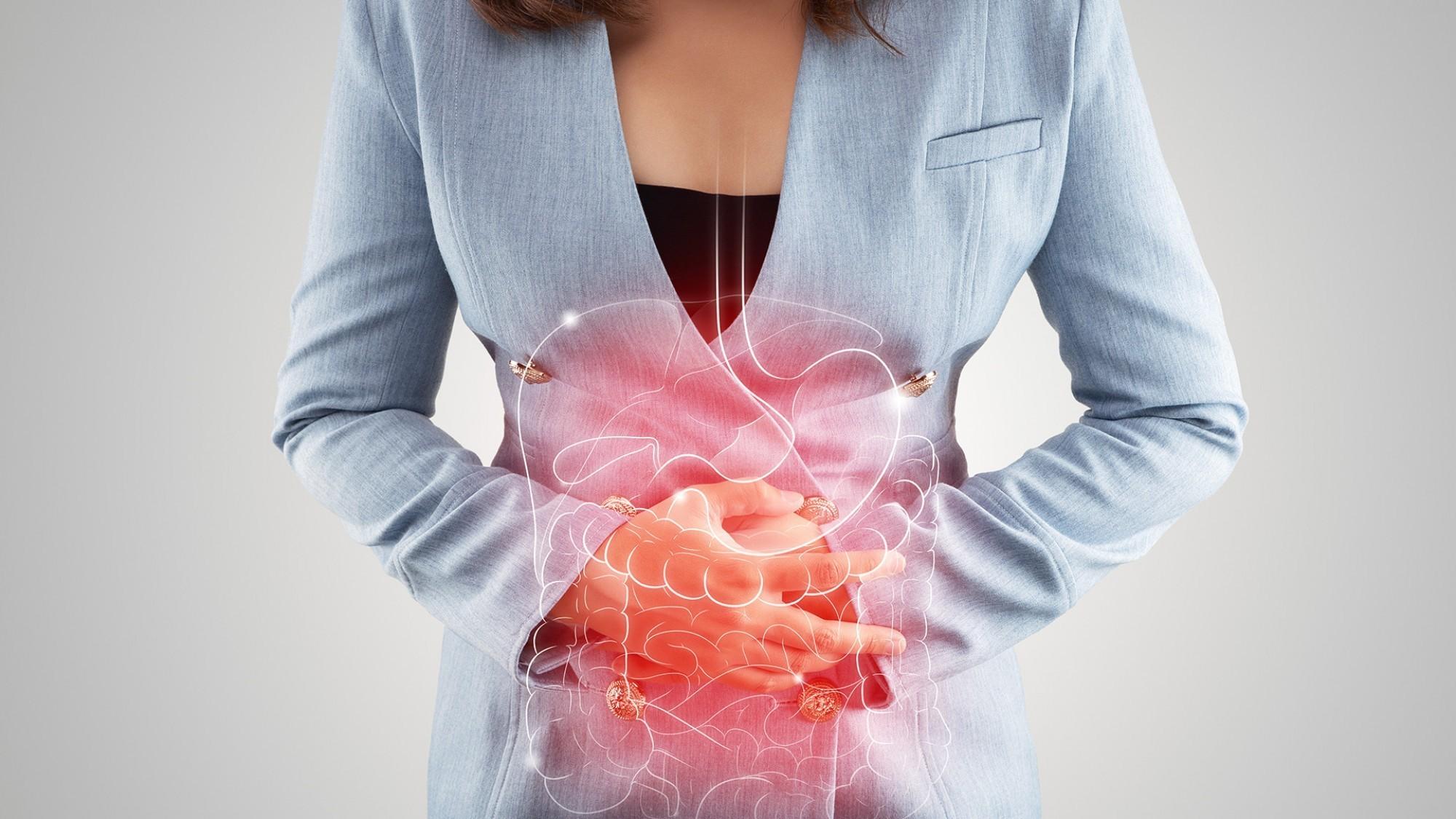
If you’ve ever searched online for help with Irritable Bowel Syndrome (IBS), you’ve probably been overwhelmed by diet advice. Some websites say to cut out gluten, others recommend ditching dairy, while new wellness blogs promote juice cleanses or keto as miracle cures. But what does the science actually say?
IBS is a real, complex condition that affects up to 1 in 10 adults worldwide. While food plays a role, not all “diet fads” are created equal. Here, we separate popular myths from evidence-based strategies.
Understanding IBS and Food Triggers
IBS affects the large intestine, causing a mix of symptoms such as:
- Abdominal pain or cramping
- Bloating and gas
- Diarrhea, constipation, or both
There’s no single “IBS diet” that works for everyone, because triggers vary from person to person. That’s why one-size-fits-all fad diets rarely provide lasting relief.
The Popular Diet Fads — Do They Help or Hinder?
1. Gluten-Free Diet
- The claim: Gluten causes IBS symptoms in everyone.
- The reality: Gluten is only an issue if you have celiac disease or non-celiac gluten sensitivity. For most IBS patients, cutting out gluten doesn’t solve the problem — and it may cause unnecessary restriction.
2. Dairy-Free Diet
- The claim: Milk products always trigger bloating and diarrhea.
- The reality: This is true for people with lactose intolerance, but not all IBS patients. Many tolerate lactose-free or small amounts of dairy.
3. Keto and Paleo Diets
- The claim: High-protein, low-carb diets fix IBS.
- The reality: These diets are not designed for IBS. They often reduce fiber, which can worsen constipation, and can be difficult to sustain.
4. Detox and Juice Cleanses
- The claim: “Cleansing” the gut improves IBS.
- The reality: These are marketing gimmicks. Juices high in fructose can actually worsen bloating and diarrhea in IBS patients.
What Actually Works — The Low FODMAP Diet
The Low FODMAP diet is the most evidence-backed approach for IBS. It reduces certain fermentable carbs that are poorly absorbed, which can cause excess gas and bloating.
Clinical studies show:
- Up to 75% of IBS patients feel relief on a Low FODMAP plan.
- Symptoms such as bloating, abdominal gas, and irregular bowel movements improve significantly.
But here’s the catch:
- It’s not meant to be a lifelong diet.
- It should be done in phases: elimination, reintroduction, and personalization.
- It works best under the guidance of a gastroenterologist or dietitian.
Practical Advice for Patients
- Keep a food diary to track what triggers your symptoms.
- Avoid falling for diet fads that promise overnight cures.
- Work with a professional to tailor your diet; don’t rely solely on online advice.
- Focus on balance: whole grains, lean proteins, fruits, and vegetables that don’t trigger your symptoms.
The Bottom Line
IBS can be frustrating, and it’s natural to want a quick fix. But the truth is, most diet fads are either unnecessary or even harmful if followed blindly. The only approach consistently proven to help is the Low FODMAP diet, and even that should be carefully managed.
If you’re struggling with IBS, bloating, or abdominal discomfort, don’t go it alone. Speak to a gastroenterologist or dietitian; the right plan can make all the difference.
Recent Posts




 04 406 3000
  04 406 3000
Quick Links
Legal
Working Hours
-
Out-patient Department
Monday to Saturday | 8 AM to 9 PM
Sunday | 10 AM to 6 PM
Emergency Department & Pharmacy | 24x7
Connect with us!




©2026 IMH. All Rights Reserved. Ministry of Health License No : TEBMJIU0-060622