

Hypertension: The Silent Killer – Why Regular Check-Ups Save Lives
Hypertension: The Silent Killer – Why Regular Check-Ups Save Lives
Hypertension: The Silent Killer – Why Regular Check-Ups Save Lives
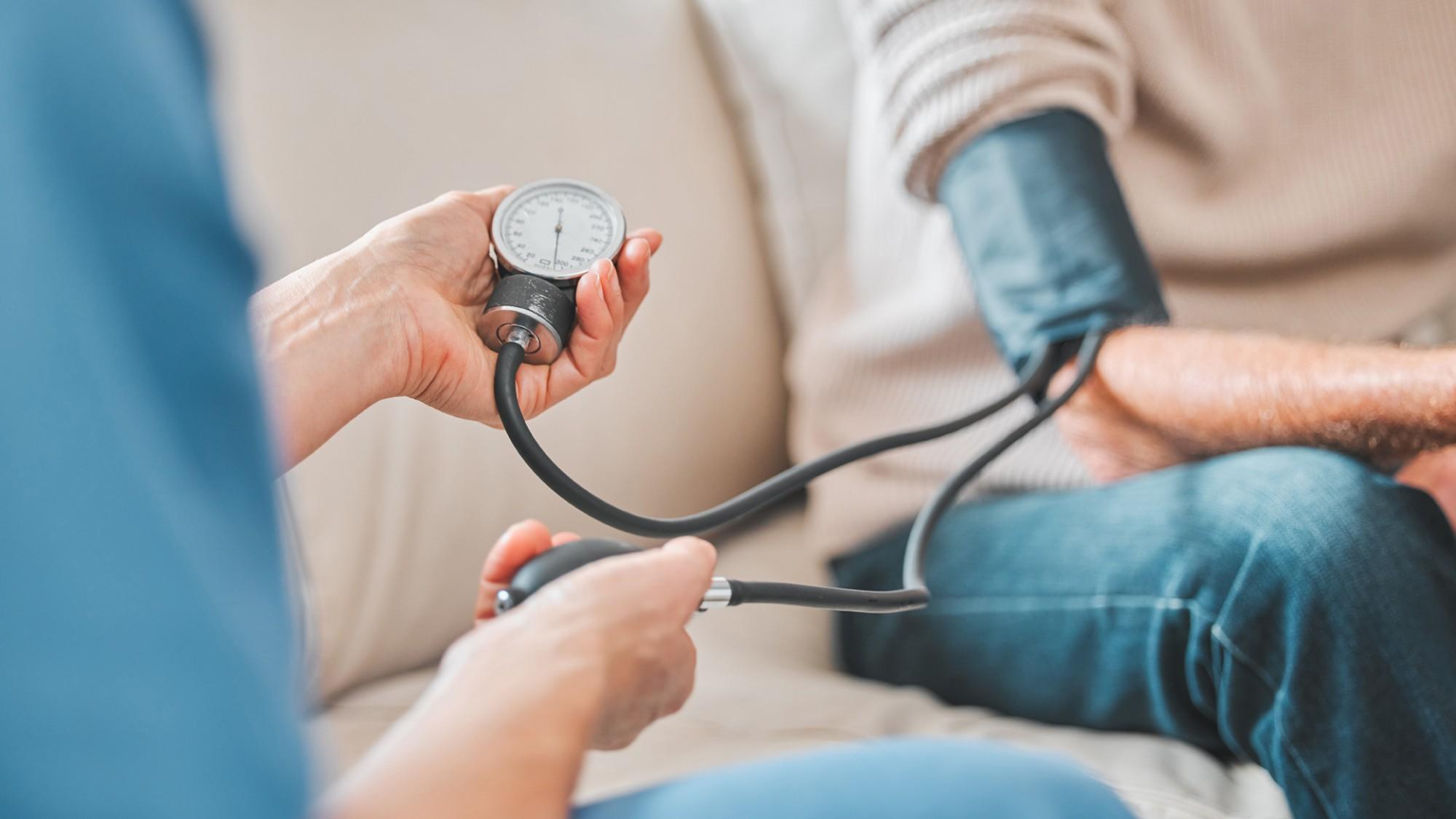
For many adults in the UAE, the idea of “high blood pressure” sounds like a small inconvenience rather than a serious medical condition. Yet hypertension—often called the silent killer—rarely causes symptoms until it has already damaged vital organs. In Dubai and across the region, where fast-paced lifestyles, stress, and high-salt diets are common, hypertension has become one of the leading health concerns. Left uncontrolled, it dramatically increases the risk of heart attack, stroke, kidney failure, and vision loss.
Hypertension occurs when the force of blood against artery walls remains consistently high. Blood pressure is measured in millimeters of mercury (mmHg), with a normal reading being around 120/80 mmHg. Readings above 140/90 mmHg on multiple occasions usually indicate hypertension. While genetics play a role, lifestyle factors are powerful contributors—excess weight, poor diet, smoking, lack of exercise, and high stress all raise risk levels.
What makes hypertension especially dangerous is its silence. Most patients have no obvious symptoms until a complication occurs. Some may notice headaches, blurred vision, or nosebleeds, but for many, the first sign is a serious medical emergency like a stroke or heart attack. This makes regular screening essential.
In Dubai, where health check-up packages are widely available, early detection can be life-saving. A routine blood pressure test takes only minutes, yet it can prevent years of suffering. Doctors may also recommend additional tests, such as kidney function, cholesterol, and ECG, to assess overall cardiovascular risk.
Treatment begins with lifestyle modification: reducing salt intake, adopting a balanced diet rich in fruits and vegetables, exercising regularly, quitting smoking, and managing stress. For many, these steps significantly reduce blood pressure. When medication is required, options include diuretics, ACE inhibitors, beta-blockers, or calcium channel blockers—each prescribed according to the patient’s profile and co-existing conditions.
Cultural considerations matter. During Ramadan, medication schedules may need adjusting, and traditional diets may include foods high in salt and fat. Internists at IMH guide patients through these challenges with personalized plans that fit daily life.
The key to living well with hypertension is regular monitoring and long-term follow-up. By controlling blood pressure, patients not only avoid life-threatening complications but also enjoy better energy, focus, and well-being.
Hypertension may be silent, but it doesn’t have to be deadly. With awareness, simple lifestyle changes, and timely medical care, patients can reclaim control over their health. In Dubai, where access to advanced healthcare is just a call away, there is no reason to let this silent killer go unchecked.
Recent Posts




 04 406 3000
  04 406 3000
Quick Links
Legal
Working Hours
-
Out-patient Department
Monday to Saturday | 8 AM to 9 PM
Sunday | 10 AM to 6 PM
Emergency Department & Pharmacy | 24x7
Connect with us!




©2026 IMH. All Rights Reserved. Ministry of Health License No : TEBMJIU0-060622