

HPV Vaccination in the UAE – Breaking the Stigma Around Prevention
HPV Vaccination in the UAE – Breaking the Stigma Around Prevention
HPV Vaccination in the UAE – Breaking the Stigma Around Prevention
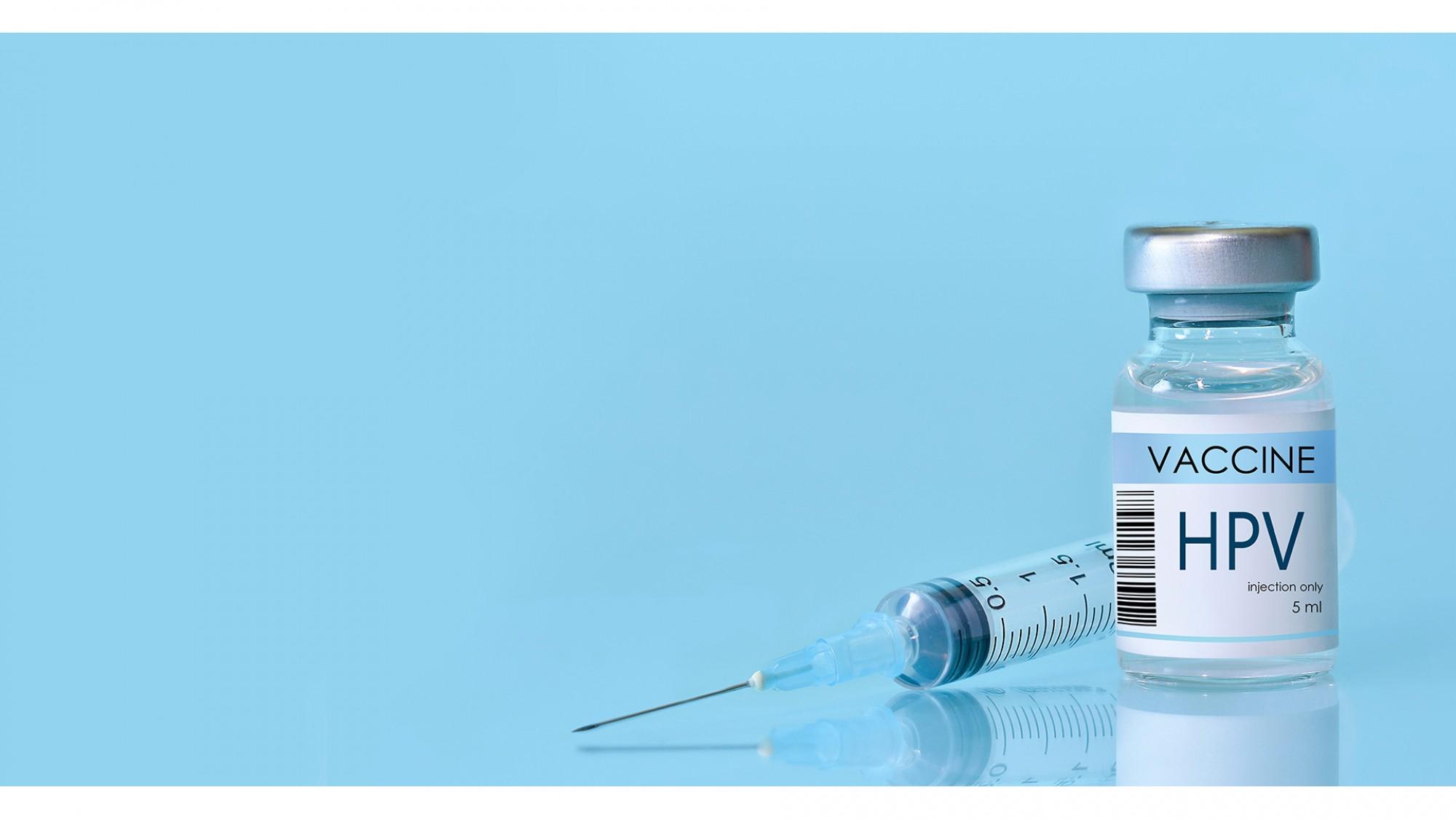
When people talk about vaccines, most think of childhood immunizations or seasonal flu shots. Few realize that one of the most important vaccines for women’s health and increasingly for men too is the HPV vaccine, which protects against the human papillomavirus. HPV is the most common sexually transmitted infection in the world and is strongly linked to cervical cancer, as well as other cancers of the throat, anus, and genitals. Globally, millions of women are affected every year, and many lose their lives to largely preventable cancers. In Dubai and across the UAE, the HPV vaccine is available and recommended, yet uptake remains lower than it could be. Why? Much of it comes down to stigma, lack of awareness, and cultural sensitivities that surround discussions about sexual health.
At its core, the HPV vaccine is about prevention, not treatment. It works by protecting the body from the strains of the virus most likely to cause cancer. Given before a person is exposed to the virus, ideally during adolescence, it provides powerful, long-lasting protection. Health authorities in the UAE have recognized its importance. The vaccine is approved, accessible in both public and private healthcare facilities, and increasingly promoted as part of preventive women’s health. Still, many parents hesitate to give it to their daughters, and many women remain unaware that it is available at all.
The hesitation often stems from misconceptions. Some believe the vaccine is unnecessary if their daughters are not yet sexually active, while others wrongly assume that providing it encourages promiscuity. In reality, the vaccine is most effective when given before exposure to HPV, which is why it is recommended for girls and now boys in their early teens. Far from promoting risky behavior, it quietly and effectively builds a wall of protection long before risk ever arises. Another barrier is the silence that surrounds sexual health in many cultures. In communities where such topics are rarely discussed openly, parents may feel uncomfortable asking about the vaccine or assume it is irrelevant.
Medical experts in Dubai are working to change this narrative. Gynecologists, family doctors, and public health campaigns are emphasizing that HPV vaccination is about cancer prevention, not sexuality. They stress the fact that cervical cancer remains one of the most preventable yet deadly cancers in women. With regular Pap smears and HPV vaccination, the majority of cases can be avoided. This is a message that resonates deeply once explained clearly: prevention today means avoiding devastating illness tomorrow.
For women who missed vaccination during adolescence, it is not too late. The HPV vaccine can be given up to the age of 45, though its effectiveness is highest when administered earlier. Many women in the UAE are now being encouraged to consider it during routine OB/GYN visits, especially when discussing reproductive health or family planning. Men are also increasingly included, as vaccination reduces the spread of the virus and protects them from HPV-related cancers as well.
The UAE’s multicultural society adds another layer to this conversation. Expatriates from countries where HPV vaccination is routine often arrive already familiar with its importance. Others come from regions where it is less known or unavailable, and they may require more information before making a decision. Dubai’s hospitals, with their multilingual staff and culturally sensitive approach, are well placed to bridge these gaps. Educational campaigns are slowly shifting attitudes, but more consistent messaging is needed to normalize the vaccine as part of everyday preventive healthcare.
The benefits of vaccination extend beyond individual protection. When enough people are vaccinated, herd immunity helps reduce the overall circulation of the virus, lowering infection rates across society. This means fewer women developing cervical cancer, fewer families enduring the pain of advanced disease, and a significant reduction in healthcare costs associated with treatment. The ripple effect is profound: healthier women, healthier communities, and a stronger public health system.
Despite these clear benefits, stigma remains a hurdle. For some families, acknowledging the vaccine means acknowledging conversations about sexual health that they are uncomfortable having. Yet avoiding these discussions leaves young people vulnerable to preventable diseases later in life. The challenge for healthcare providers is to create safe spaces where parents and adolescents can ask questions without judgment, and where the message of cancer prevention takes center stage.
In Dubai, progress is visible. More schools and clinics are incorporating HPV vaccination awareness into health education, and government-led campaigns are helping normalize the idea. Hospitals are also playing their part, integrating the vaccine into routine gynecology and family medicine visits. By presenting it as just another part of preventive care alongside flu shots or cholesterol checks, the stigma can be gradually dismantled.
Ultimately, the story of HPV vaccination in the UAE is not just about medicine, but about culture, communication, and the courage to break the silence around women’s health. For mothers, fathers, and young people, the message is simple: this vaccine saves lives. It prevents cancers that devastate families, and it does so safely and effectively.
For every woman who fears cervical cancer, for every family that has faced the heartbreak of a preventable diagnosis, and for every young girl in Dubai dreaming of her future, the HPV vaccine represents protection, empowerment, and hope. Breaking the stigma is not just a healthcare responsibility; it is a social one. And as awareness grows, the UAE has the opportunity to lead the region in showing that prevention is always better than a cure.
Recent Posts



 04 406 3000
  04 406 3000
Quick Links
Legal
Working Hours
-
Out-patient Department
Monday to Saturday | 8 AM to 9 PM
Sunday | 10 AM to 6 PM
Emergency Department & Pharmacy | 24x7
Connect with us!




©2026 IMH. All Rights Reserved. Ministry of Health License No : TEBMJIU0-060622