

How Stress Impacts Your Eyes
How Stress Impacts Your Eyes
How Stress Impacts Your Eyes
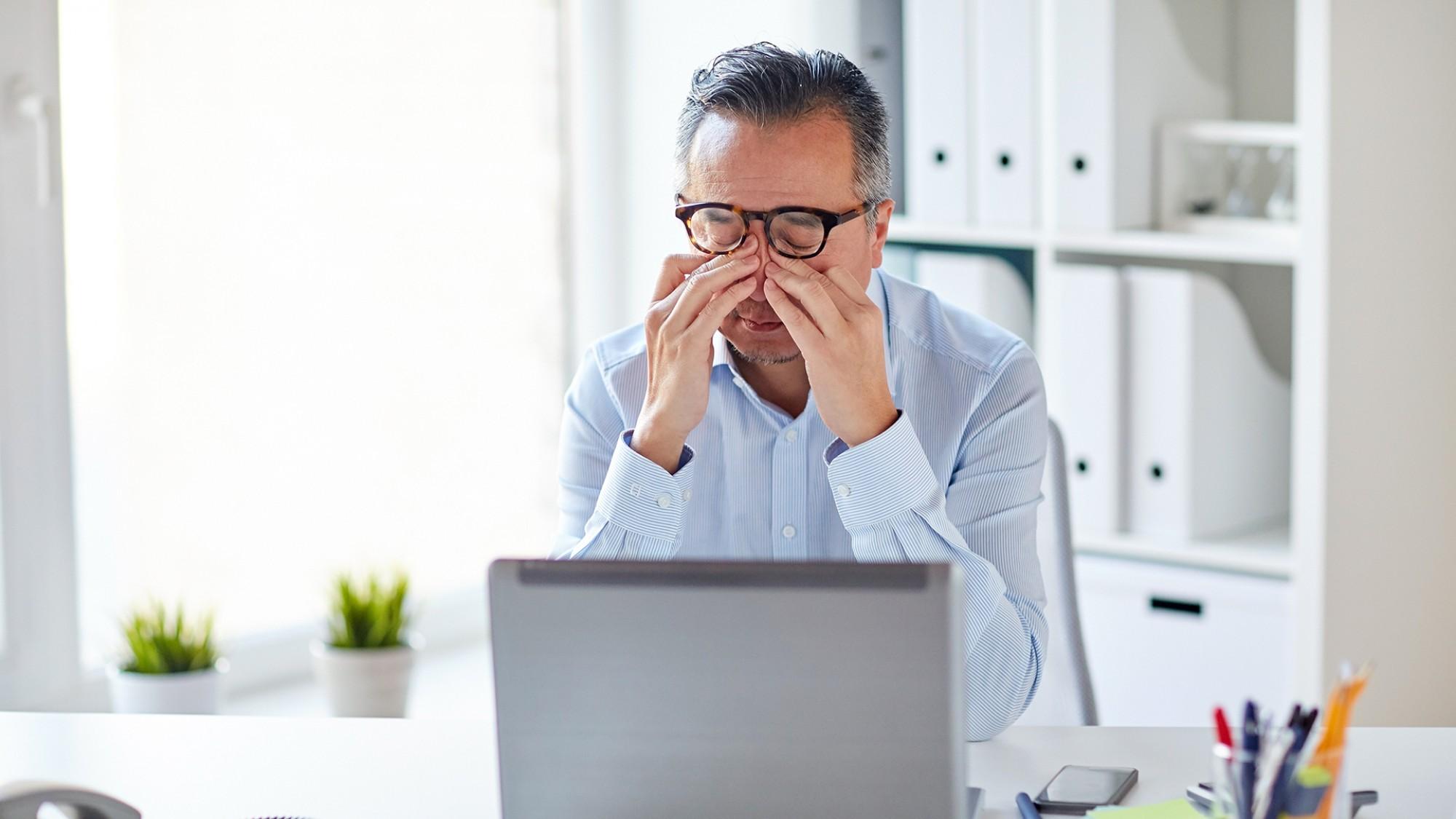
Stress is often thought of as an emotional or mental burden, but its effects extend far beyond mood and mindset. Chronic stress impacts nearly every system in the body—including the eyes. In a fast-paced city like Dubai, where work demands, long commutes, digital overload, and lifestyle pressures are part of daily life, stress-related eye symptoms have become increasingly common. Many people dismiss eye twitching, blurred vision, or headaches as minor issues without realizing they may be direct consequences of prolonged stress. Understanding how stress affects the visual system can help individuals take meaningful steps toward protecting their eye health and improving overall well-being.
One of the most noticeable ways stress affects the eyes is through muscle tension. When under pressure, the body enters a state of heightened alertness. Stress hormones such as cortisol and adrenaline increase muscle tightness, especially around the face and neck. The tiny muscles controlling eye movement must work harder to maintain focus, leading to eye strain, headaches, and difficulty concentrating. Many people describe feeling heaviness around the eyes or experiencing tension headaches at the end of a stressful day.
Stress also contributes to blepharospasm, or eyelid twitching—a rapid, involuntary movement of the eyelid. Although harmless in most cases, persistent twitching can be distracting and uncomfortable. It is often triggered by fatigue, lack of sleep, caffeine, or long periods of screen exposure—all factors that commonly accompany stress. In severe cases, twitching may disrupt daily activities or reading ability.
Another major impact of stress is digital eye strain. Stress often leads to prolonged device usage, whether for work, problem-solving, or escapism. Long periods on screens reduce blink rate significantly, causing dryness, burning, redness, and fluctuating vision. The UAE’s air-conditioned environment intensifies dryness, making symptoms even more pronounced. Stress also affects visual focus, making it harder to maintain clarity when switching between near and distant objects.
Stress has stronger physiological effects as well. Elevated cortisol levels can interfere with tear production, contributing to chronic dry eye disease. For patients who already have dry eye, stress can worsen inflammation and reduce tear stability, leading to persistent discomfort. Many residents in Dubai experience dry eye due to climate conditions, and stress compounds the severity.
Blood pressure fluctuations caused by stress can also impact vision. Sudden spikes may lead to blurred vision, floaters, or temporary visual disturbances. Over time, chronic stress contributes to hypertension—a major risk factor for hypertensive retinopathy and retinal occlusions. Although these conditions develop gradually, stress accelerates vascular damage that affects long-term eye health.
One of the lesser-known consequences of stress is visual snow, a condition where individuals perceive static-like dots across their field of vision. While rare, stress can trigger or worsen these neurological symptoms. Stress also exacerbates migraines, which often include visual disturbances such as flashing lights, zigzag lines, or temporary blind spots.
Emotional stress affects behaviors as well. People under pressure may rub their eyes frequently, skip breaks during screen work, sleep poorly, or neglect hydration—all of which negatively impact vision. In children and teenagers, academic stress and increased screen time can accelerate myopia progression. Parents often notice changes in visual behavior when children feel overwhelmed.
Managing stress-related eye symptoms requires a holistic approach. The first step is recognizing the connection between emotional health and visual comfort. Practicing regular screen breaks using the 20-20-20 rule, maintaining proper lighting, and optimizing ergonomics help reduce strain. Staying hydrated and using lubricating eye drops support tear stability. Warm compresses relax eyelid muscles and improve comfort.
Relaxation techniques such as deep breathing, meditation, stretching, and mindfulness help reduce overall stress levels. Adequate sleep is crucial; even one night of poor rest can cause noticeable visual fatigue. Limiting caffeine and taking short outdoor breaks can also improve both mood and visual clarity. For individuals with persistent symptoms, an eye examination ensures no underlying condition is present.
Ultimately, stress affects more than your mind—it affects your ability to see clearly and comfortably. By taking steps to manage stress and maintain healthy visual habits, residents of the UAE can protect their eyes and enhance their quality of life. Your vision reflects your overall well-being; caring for one supports the other.
Recent Posts




 04 406 3000
  04 406 3000
Quick Links
Legal
Working Hours
-
Out-patient Department
Monday to Saturday | 8 AM to 9 PM
Sunday | 10 AM to 6 PM
Emergency Department & Pharmacy | 24x7
Connect with us!




©2026 IMH. All Rights Reserved. Ministry of Health License No : TEBMJIU0-060622