

Hernias Explained – When That Bulge Is More Than Just a Muscle Strain
Hernias Explained – When That Bulge Is More Than Just a Muscle Strain
Hernias Explained – When That Bulge Is More Than Just a Muscle Strain
Many people dismiss a bulge in the abdomen or groin as a pulled muscle or a minor strain — until it becomes a serious concern. What seems like a harmless lump could actually be a hernia, a condition that, if untreated, may require emergency surgery.
Hernias are more common than you think, and fortunately, most can be repaired safely and effectively through laparoscopic surgery, often referred to as keyhole surgery or laparoscopic surgery.
What Is a Hernia?
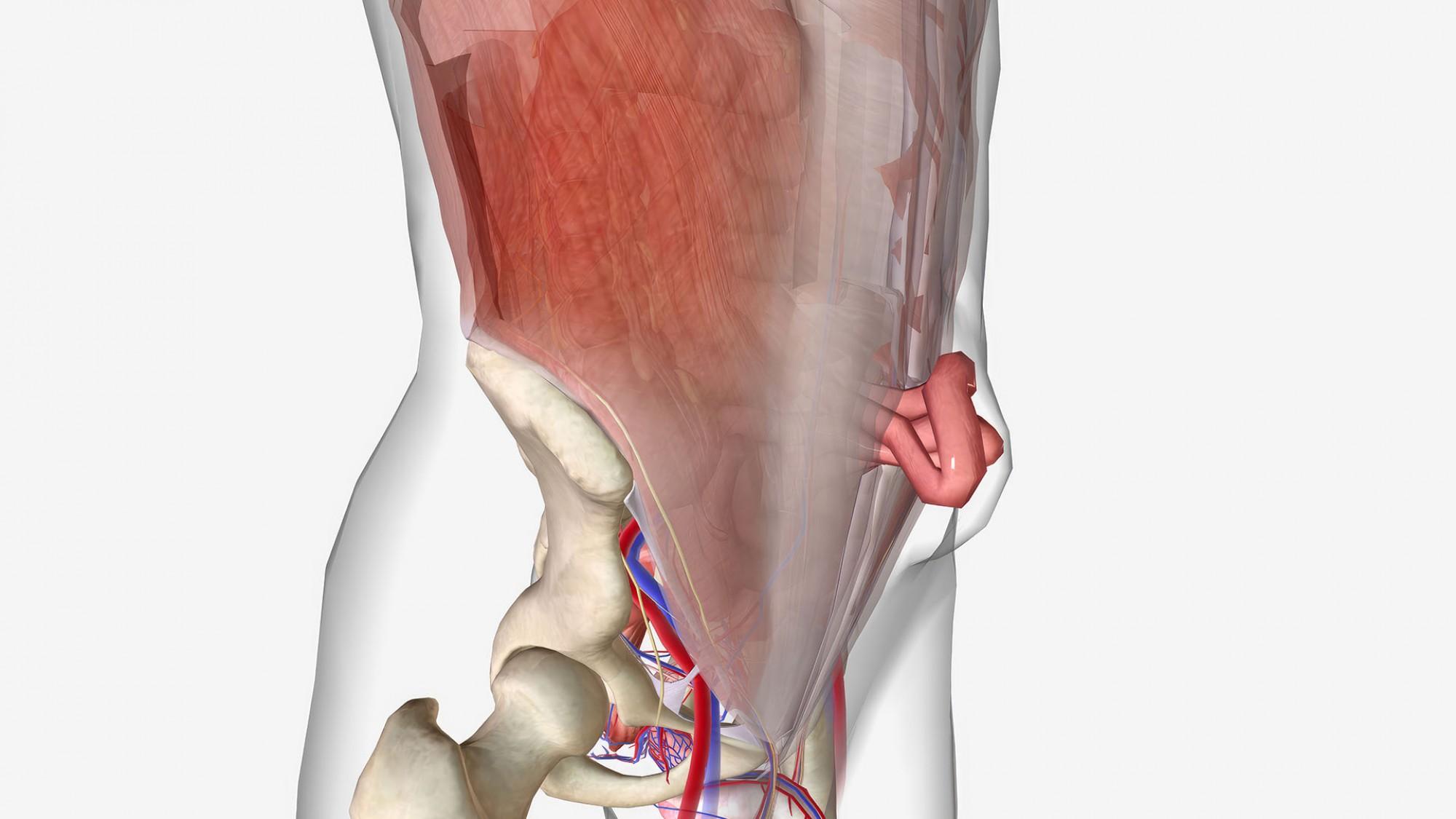
A hernia occurs when an internal part of the body, such as a section of the intestine or abdominal fat, pushes through a weak spot in the surrounding muscle or tissue wall. The result? A noticeable bulge — often in the groin (inguinal hernia), abdomen (ventral or incisional hernia), or near the belly button (umbilical hernia).
Common symptoms include:
-
A visible or palpable lump that increases with coughing or standing
-
Pain or discomfort while lifting, bending, or straining
-
A burning or aching sensation at the site of the bulge
-
In severe cases, nausea, vomiting, or constipation
Why You Shouldn’t Ignore a Hernia
While a hernia might start as painless or barely noticeable, it can become larger over time or even strangulate — meaning blood supply to the trapped tissue is cut off. This can lead to bowel obstruction and infection, requiring emergency appendectomy-type surgery.
If you notice any symptoms of a ruptured appendix, including vomiting or severe pain, seek urgent care.
Types of Hernia Repair
Modern medicine offers multiple solutions to repair hernias, with laparoscopic hernia repair being the most advanced and patient-friendly.
1. Open Hernia Repair
A traditional approach involves a large incision to push the tissue back into place and close the defect with sutures or mesh.
2. Laparoscopic Hernia Repair
Performed through several small incisions using a camera and tools to repair the hernia with a mesh implant. Often done under general anesthesia, this method offers:
-
Less postoperative pain
-
Minimal scarring
-
Quicker return to activity
-
Shorter recuperation time for appendectomy-type surgeries
Ideal Candidates for Laparoscopic Surgery
You may benefit from laparoscopic hernia surgery if:
-
You have a recurring hernia
-
You have hernias on both sides (bilateral)
-
You had complications after an open repair
-
You’re seeking faster recovery with fewer visible scars
Patients often compare procedures like lap chole, lap appy, lap appendix removal, and fundoplication to lap hernia repair, and find recovery timelines and results similar, especially for laparoscopic cholecystectomy, appendicectomy, or colectomy patients.
What to Expect After Surgery?
Laparoscopic hernia repair is typically done as a day surgery. You’ll likely be discharged the same day or within 24 hours.
Recovery milestones:
-
Light activity: 2–5 days
-
Return to work: 1–2 weeks (depending on job)
-
Resume workouts: 3–4 weeks
-
Full recovery: 4–6 weeks
If you’re comparing this to appendectomy recovery or laparoscopic cholecystectomy operation healing, you’ll find laparoscopic hernia repair equally manageable.
Common Questions
What is the cost of hernia surgery?
Similar to appendicitis operation cost or gastrectomy, this depends on the hospital, location (e.g., Dubai), and insurance. Inquire about appendectomy price and hernia surgery pricing together if combining procedures.
Will it come back?
Recurrence is rare when the mesh is used, and healing is successful.
Will I need a follow-up?
Yes, just like you would after a lap Nissen fundoplication, laparoscopic salpingectomy, or tif procedure, regular follow-up ensures successful healing.
A hernia is not just a bulge — it’s a condition that requires medical attention. If you're delaying treatment due to fear of surgery, know that laparoscopic hernia repair is safe, efficient, and minimally invasive.
Whether you're scheduled for a laparoscopic Cholecystectomy operation, appendix removal, or hernia repair, today’s general surgical care has come a long way — offering solutions that are quicker, safer, and nearly scar-free.
Consult a general surgeon near me to evaluate your options and discuss whether keyhole surgery is right for your condition.
Recent Posts



 04 406 3000
  04 406 3000
Quick Links
Legal
Working Hours
-
Out-patient Department
Monday to Saturday | 8 AM to 9 PM
Sunday | 10 AM to 6 PM
Emergency Department & Pharmacy | 24x7
Connect with us!




©2026 IMH. All Rights Reserved. Ministry of Health License No : TEBMJIU0-060622