

From Heart Attack to Hope – Survival Stories from Dubai’s 247 Cardiac Emergency
From Heart Attack to Hope – Survival Stories from Dubai’s 247 Cardiac Emergency
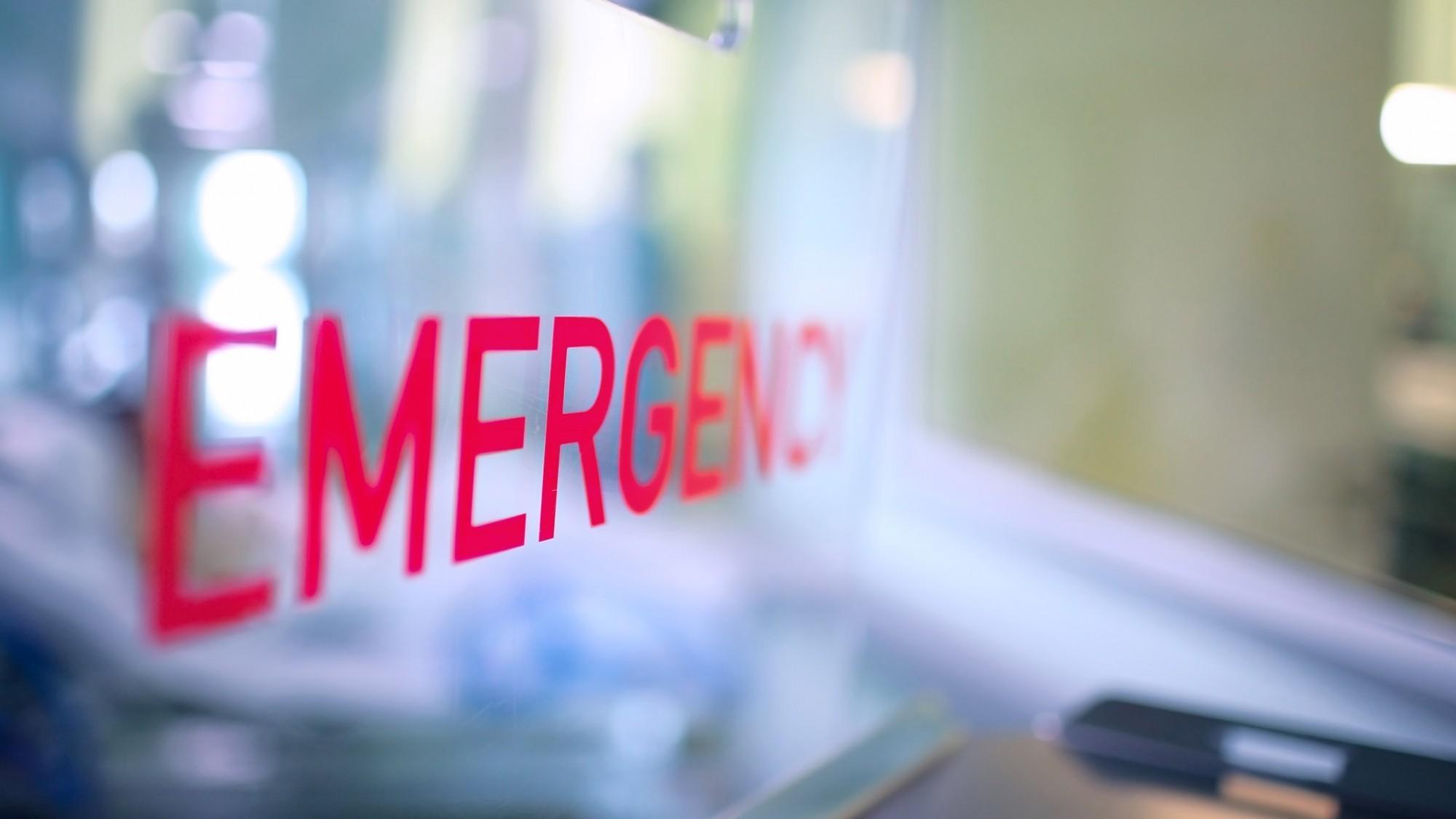
Chest pain, breathlessness, or sudden sweating may seem like problems that will pass, but for many people they are the first signs of a heart attack. In the UAE, where conditions like diabetes, high blood pressure, and obesity are common, heart attacks remain one of the leading reasons for emergency admissions. The good news is that with timely care, survival and recovery are possible.
Understanding Heart Attack Symptoms
Heart attacks occur when the blood flow to part of the heart muscle is blocked, usually by a clot in a narrowed artery. Typical symptoms include:
• Chest pain or heaviness that may spread to the arm, neck, or jaw
• Shortness of breath
• Nausea or vomiting
• Cold sweats
• Sudden fatigue or dizziness
For women, symptoms may sometimes be more subtle such as unusual tiredness or discomfort in the back and neck. Because these warning signs can be confused with indigestion or stress, many patients delay getting help. This delay can make the damage worse.
Why Minutes Matter
Doctors often use the phrase “time is muscle.” The longer the heart muscle is deprived of blood supply, the more permanent damage it suffers. Quick action calling an ambulance, reaching an emergency department, and starting treatment can make the difference between full recovery and lasting heart weakness.
At International Modern Hospital (IMH), Dubai, the cardiology team follows a “door-to-balloon” protocol. This means that patients who arrive with a heart attack can be taken to the cardiac catheterization lab and treated with angioplasty and stenting within minutes. Such rapid intervention significantly improves survival and reduces complications.
Treatment Options
The main treatments for heart attacks include:
• Primary angioplasty (PCI): Using a balloon and stent to open the blocked artery.
• Clot-busting medications: Given when angioplasty is not immediately available.
• Supportive care: Oxygen, blood thinners, and close monitoring in the cardiac intensive care unit.
Following emergency treatment, patients are placed on medications to reduce the risk of future attacks, such as aspirin, cholesterol-lowering drugs, and medicines for blood pressure or diabetes. Cardiac rehabilitation, diet changes, and regular follow-up are also part of long-term recovery.
Preventing the Next Heart Attack
While modern cardiology can save lives, prevention remains the best cure. Key steps include:
• Controlling blood sugar and blood pressure
• Managing cholesterol levels
• Avoiding smoking and excessive alcohol
• Eating a balanced, heart-healthy diet
• Staying active and maintaining a healthy weight
• Scheduling regular heart check-ups, especially for those with family history or risk factors
Heart attacks do not always announce themselves with dramatic pain. Sometimes the signs are vague, but the consequences of ignoring them are serious. By understanding the symptoms and acting quickly, patients in Dubai and across the UAE can move from fear to recovery.
At IMH’s 24/7 Cardiology Department, specialists are available around the clock to provide emergency care, advanced diagnostics, and life-saving interventions. Awareness, quick response, and timely treatment can truly turn a heart attack into a story of hope.
Recent Posts



 04 406 3000
  04 406 3000
Quick Links
Legal
Working Hours
-
Out-patient Department
Monday to Saturday | 8 AM to 9 PM
Sunday | 10 AM to 6 PM
Emergency Department & Pharmacy | 24x7
Connect with us!




©2026 IMH. All Rights Reserved. Ministry of Health License No : TEBMJIU0-060622