

Gut Health and the Microbiome — More Than Just a Trend
Gut Health and the Microbiome — More Than Just a Trend
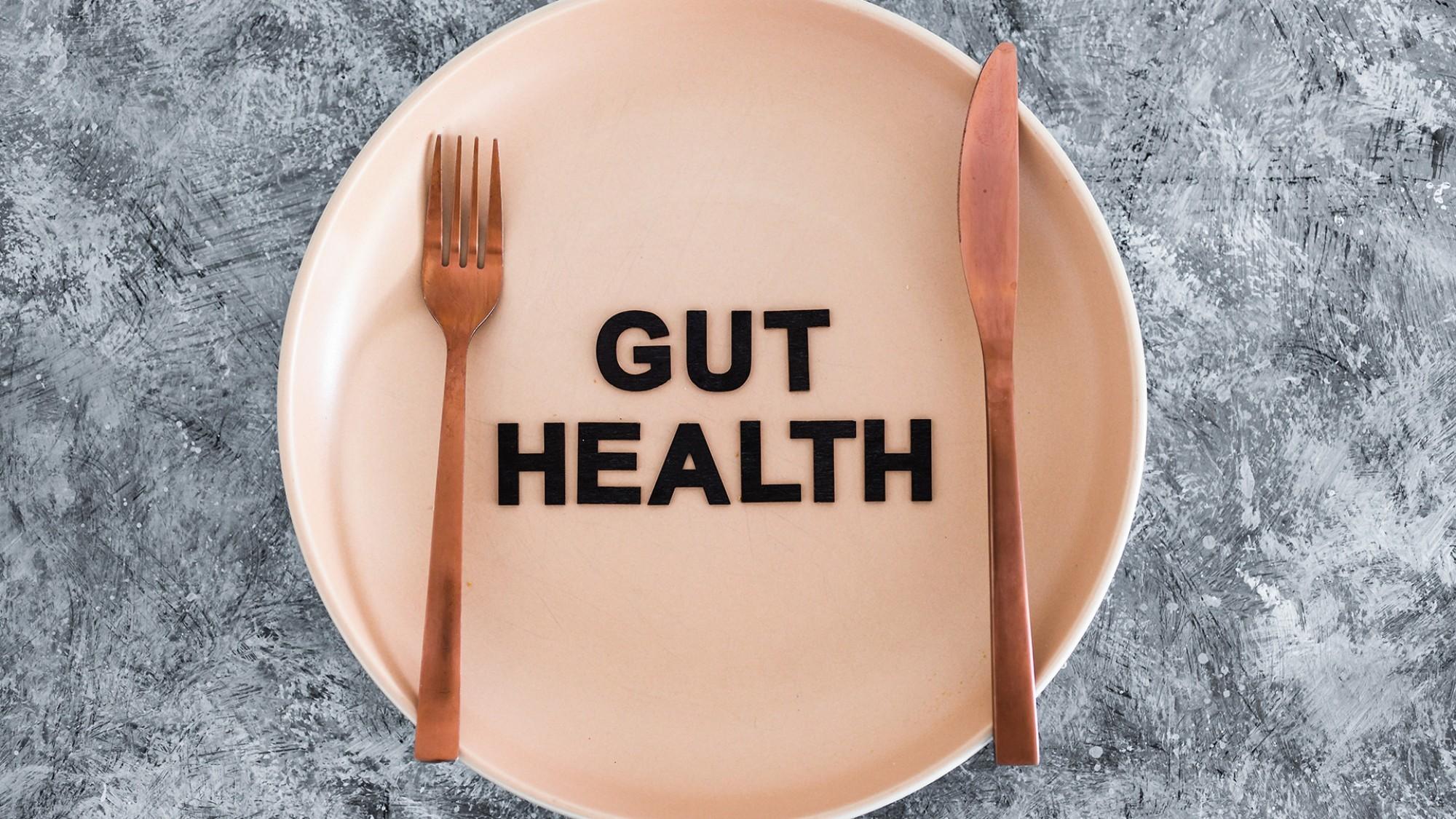
Gut Health and the Microbiome — More Than Just a Trend
“Gut health” has become one of the hottest topics in wellness circles. Supermarket shelves are lined with probiotics, kombucha, and gut detox teas, while social media influencers talk about the importance of a healthy gut microbiome. But behind the hype lies real science. The balance of bacteria in our intestines is now known to affect digestion, immunity, and even mood.
The gut microbiome is made up of trillions of bacteria and other microbes. A diverse, balanced microbiome helps break down food, absorb nutrients, and protect the gut lining. On the other hand, an imbalance sometimes called dysbiosis is linked to IBS, bloating, acid reflux, obesity, diabetes, and even depression.
Foods play a big role in shaping gut bacteria. Diets rich in fiber, fruits, vegetables, and whole grains feed healthy bacteria. Fermented foods such as yogurt, kefir, sauerkraut, and kimchi provide natural probiotics. Prebiotic foods like garlic, onions, and bananas act as fuel for probiotics. Together, they improve gut health naturally.
But not all gut health products live up to their claims. Many “detox teas” and supplements promise quick fixes but lack scientific backing. True improvement comes from consistent dietary habits, not expensive gimmicks.
The takeaway is simple: focus on balanced meals, fiber, and natural probiotic foods. If persistent bloating, IBS, or acid reflux symptoms remain, it’s time to consult a gastroenterologist for tailored advice.
Recent Posts




 04 406 3000
  04 406 3000
Quick Links
Legal
Working Hours
-
Out-patient Department
Monday to Saturday | 8 AM to 9 PM
Sunday | 10 AM to 6 PM
Emergency Department & Pharmacy | 24x7
Connect with us!




©2026 IMH. All Rights Reserved. Ministry of Health License No : TEBMJIU0-060622