

Glaucoma: The Silent Thief of Sight — And How to Stop It Early
Glaucoma: The Silent Thief of Sight — And How to Stop It Early
Glaucoma: The Silent Thief of Sight — And How to Stop It Early
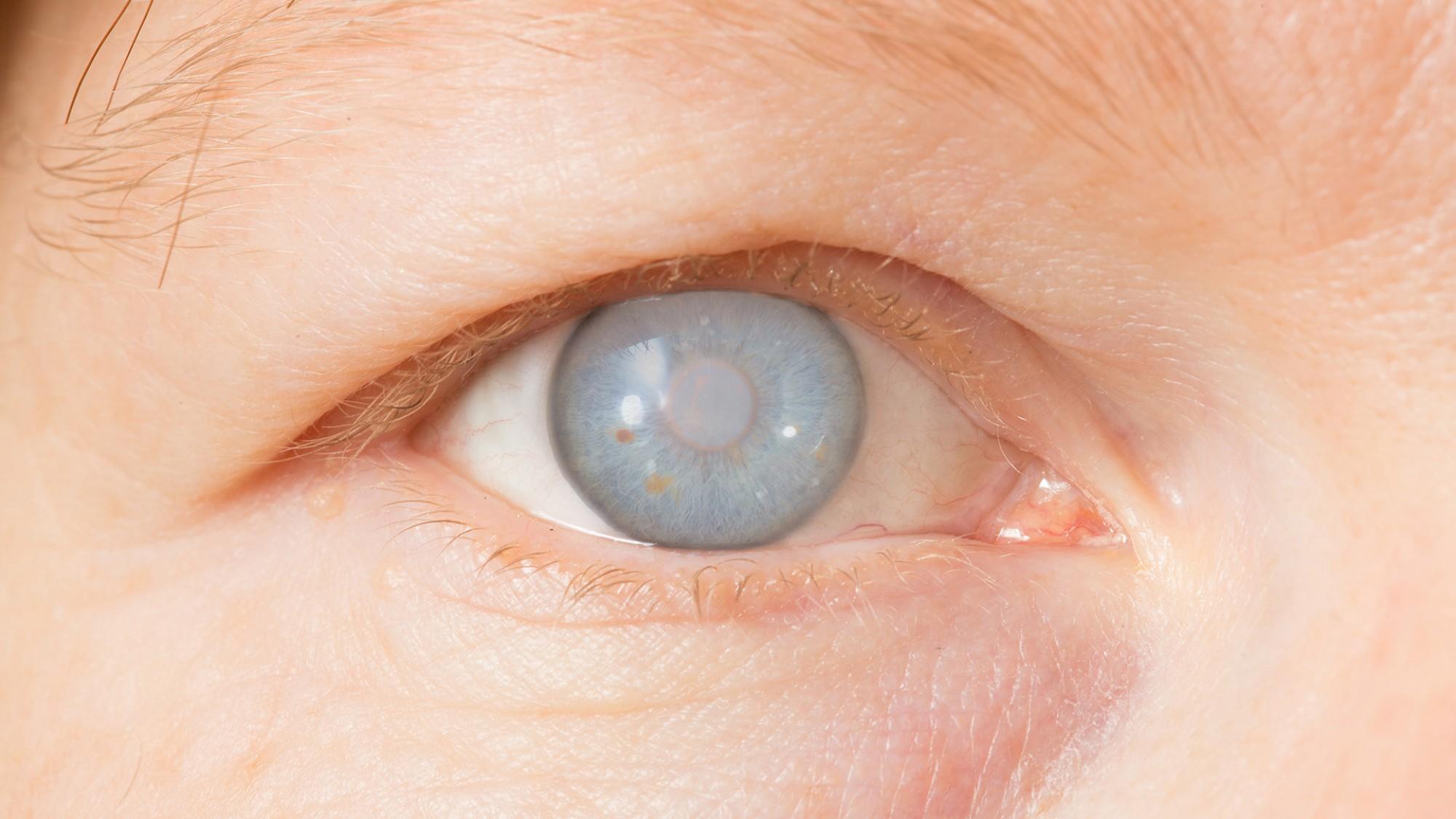
Glaucoma is often referred to as the “silent thief of sight,” and for good reason. It is one of the leading causes of irreversible blindness worldwide, yet most people are unaware they have it until significant vision loss has occurred. In the UAE, where chronic conditions like diabetes and hypertension are common risk factors, glaucoma is increasingly prevalent among adults over the age of 40. What makes this disease especially dangerous is its quiet progression. Vision loss begins at the edges and moves inward, meaning patients do not notice changes until the disease has already advanced. Early diagnosis is the only effective way to protect long-term sight.
Glaucoma occurs when the optic nerve—the structure that carries visual information from the eye to the brain—becomes damaged. This damage is often, but not always, related to elevated pressure inside the eye. The eye continuously produces fluid, which drains through channels inside the cornea. When these channels become blocked or function poorly, pressure builds up and gradually damages the optic nerve. Some forms of glaucoma, such as normal-tension glaucoma, occur even when eye pressure is within the normal range, making diagnosis even more complex.
Patients typically have no symptoms in the early stages. There is no pain, no redness, and no noticeable change in central vision. Instead, glaucoma affects peripheral vision first, which is why many people adapt without realizing they are losing sight. By the time difficulties with driving, navigating stairs, or seeing objects from the side become apparent, the disease may already be advanced. Unfortunately, once optic nerve fibers are lost, they cannot be restored. This is why routine screening—especially after age 40—is crucial.
A comprehensive glaucoma evaluation includes measurement of eye pressure, assessment of the drainage angle, optic nerve imaging, and a visual field test. These tests allow ophthalmologists to detect subtle changes long before symptoms develop. High-risk individuals, such as those with a family history, diabetics, long-term steroid users, and people of certain ethnic backgrounds, require more frequent monitoring. Dubai’s environment also contributes to risk—air-conditioned settings, steroid nasal sprays used for allergies, and chronic screen use may indirectly affect eye structures.
The good news is that glaucoma can be managed effectively with early intervention. Treatment options include prescription eye drops that lower pressure, laser procedures that enhance drainage, and minimally invasive glaucoma surgeries (MIGS) for long-term control. These procedures are safe, effective, and designed to minimize impact on daily life. With proper treatment, most people with glaucoma can maintain stable vision throughout their lives.
What patients must understand is that glaucoma is a lifelong condition. Even when pressure is controlled, regular follow-up is necessary to ensure stability. Patients should never stop medications on their own or assume that the disease has “gone away.” Lifestyle choices also support eye health—regular exercise, avoiding smoking, managing blood sugar and blood pressure, and maintaining routine eye care all reduce risk.
Glaucoma may be silent, but it is not unstoppable. With awareness, screening, and timely treatment, patients can preserve their vision and avoid the serious complications of late-stage disease. In a city like Dubai, where access to advanced diagnostic tools is readily available, there is no reason to wait until symptoms appear. Eye screenings save sight—and in the case of glaucoma, early action makes all the difference.
Recent Posts




 04 406 3000
  04 406 3000
Quick Links
Legal
Working Hours
-
Out-patient Department
Monday to Saturday | 8 AM to 9 PM
Sunday | 10 AM to 6 PM
Emergency Department & Pharmacy | 24x7
Connect with us!




©2026 IMH. All Rights Reserved. Ministry of Health License No : TEBMJIU0-060622