

Gas, Indigestion, and Abdominal Discomfort — When It’s More Than Just Food
Gas, Indigestion, and Abdominal Discomfort — When It’s More Than Just Food
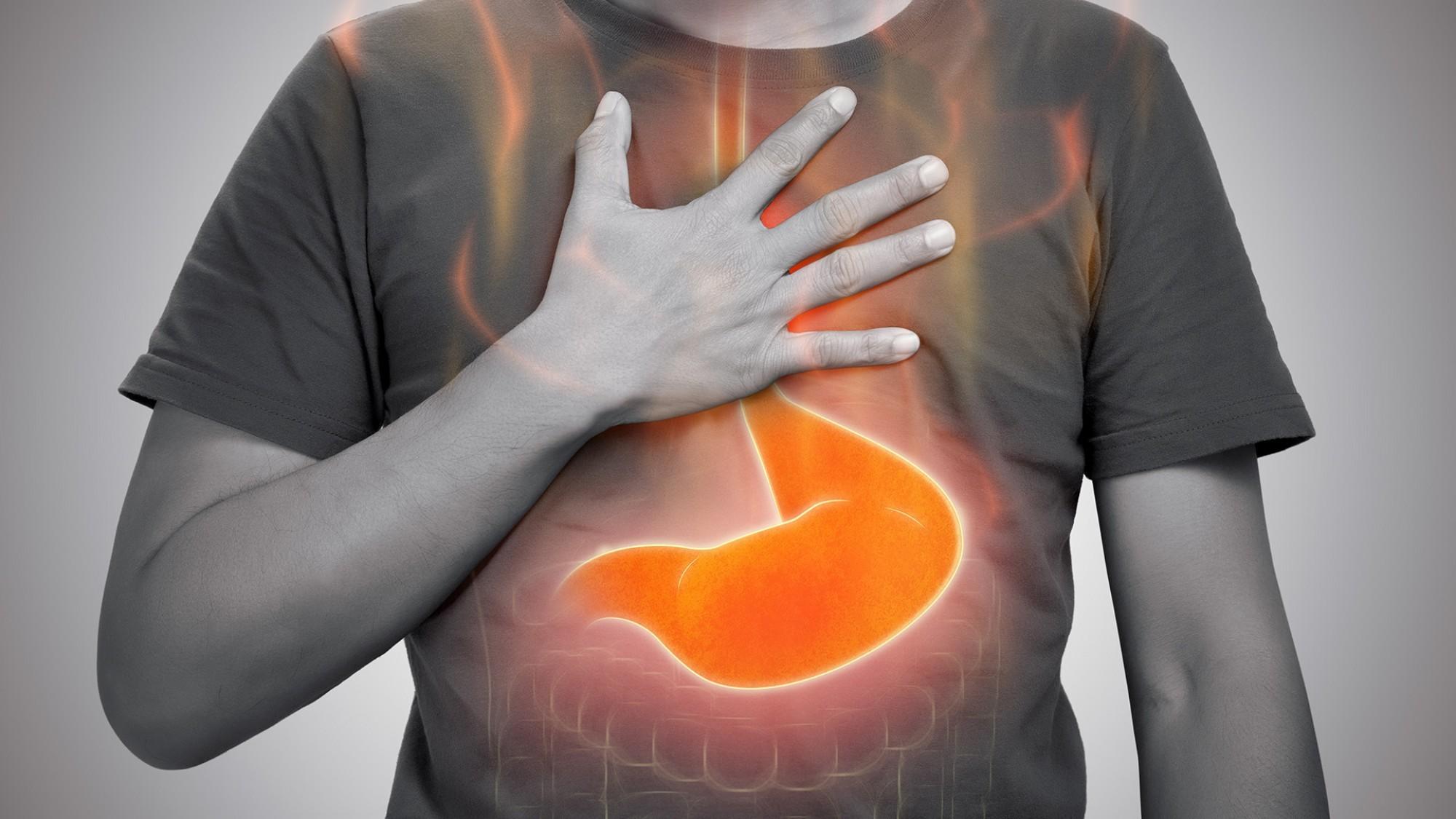
Gas, Indigestion, and Abdominal Discomfort — When It’s More Than Just Food
We’ve all felt the uncomfortable fullness that comes after a heavy meal — the kind that makes you loosen your belt and sigh with relief once the bloating eases. Occasional abdominal gas or indigestion is normal. But when these symptoms become an everyday struggle, or when they’re accompanied by other problems, they can signal something more serious than just “eating too much.”
Indigestion, also called dyspepsia, is a broad term that covers a range of digestive discomforts. Patients often describe it as a feeling of pressure in the stomach, bloating, acid reflux, or a burning sensation after meals. For some, it means frequent belching or passing gas, while others feel full after just a few bites.
When Gas and Indigestion Are Harmless
Often, indigestion has simple explanations. Eating too quickly can cause swallowing excess air, leading to a bloated stomach. Drinking fizzy sodas or chewing gum adds even more air. Certain foods — beans, onions, garlic, dairy products for those with lactose intolerance, and high-fat meals — can trigger gas. Stress and irregular eating habits also play a role. In such cases, mild lifestyle adjustments like eating slowly, limiting carbonated drinks, and avoiding trigger foods usually bring relief.
When Symptoms Point to Something More Serious
However, chronic or painful indigestion and gas should not be dismissed. Conditions like Irritable Bowel Syndrome (IBS), GERD (Gastroesophageal Reflux Disease), gastritis, celiac disease, gallstones, and peptic ulcers can present with the same everyday symptoms. The challenge is that many patients don’t realize the difference between “normal” bloating and a medical issue until symptoms have persisted for months.
Red flag signs include:
- Severe or constant stomach discomfort
- Unexplained weight loss
- Vomiting blood or passing black stools
- Difficulty swallowing
- Persistent diarrhea or constipation
These require immediate evaluation by a gastroenterologist.
Diagnosis and Treatment
Doctors typically begin with a detailed history of your diet, lifestyle, and medical background. Tests may include blood work, ultrasound, endoscopy, or even a colonoscopy if there’s concern about structural issues. Treatment depends on the cause, from acid-suppressing medication for GERD symptoms to dietary therapy such as the Low FODMAP diet for IBS, or eradication of H. pylori infection for ulcers.
The Takeaway
Occasional gas and indigestion are a part of life. But if bloating, pain, or reflux have become your new normal, it’s not just about food anymore. It’s your body’s way of signaling that something deeper might be happening.
Don’t ignore constant indigestion and abdominal gas. Seek medical advice, get tested, and take steps toward lasting relief.
Recent Posts




 04 406 3000
  04 406 3000
Quick Links
Legal
Working Hours
-
Out-patient Department
Monday to Saturday | 8 AM to 9 PM
Sunday | 10 AM to 6 PM
Emergency Department & Pharmacy | 24x7
Connect with us!




©2026 IMH. All Rights Reserved. Ministry of Health License No : TEBMJIU0-060622