

From Acid Reflux to GERD – When Surgery Like Fundoplication Becomes Necessary
From Acid Reflux to GERD – When Surgery Like Fundoplication Becomes Necessary
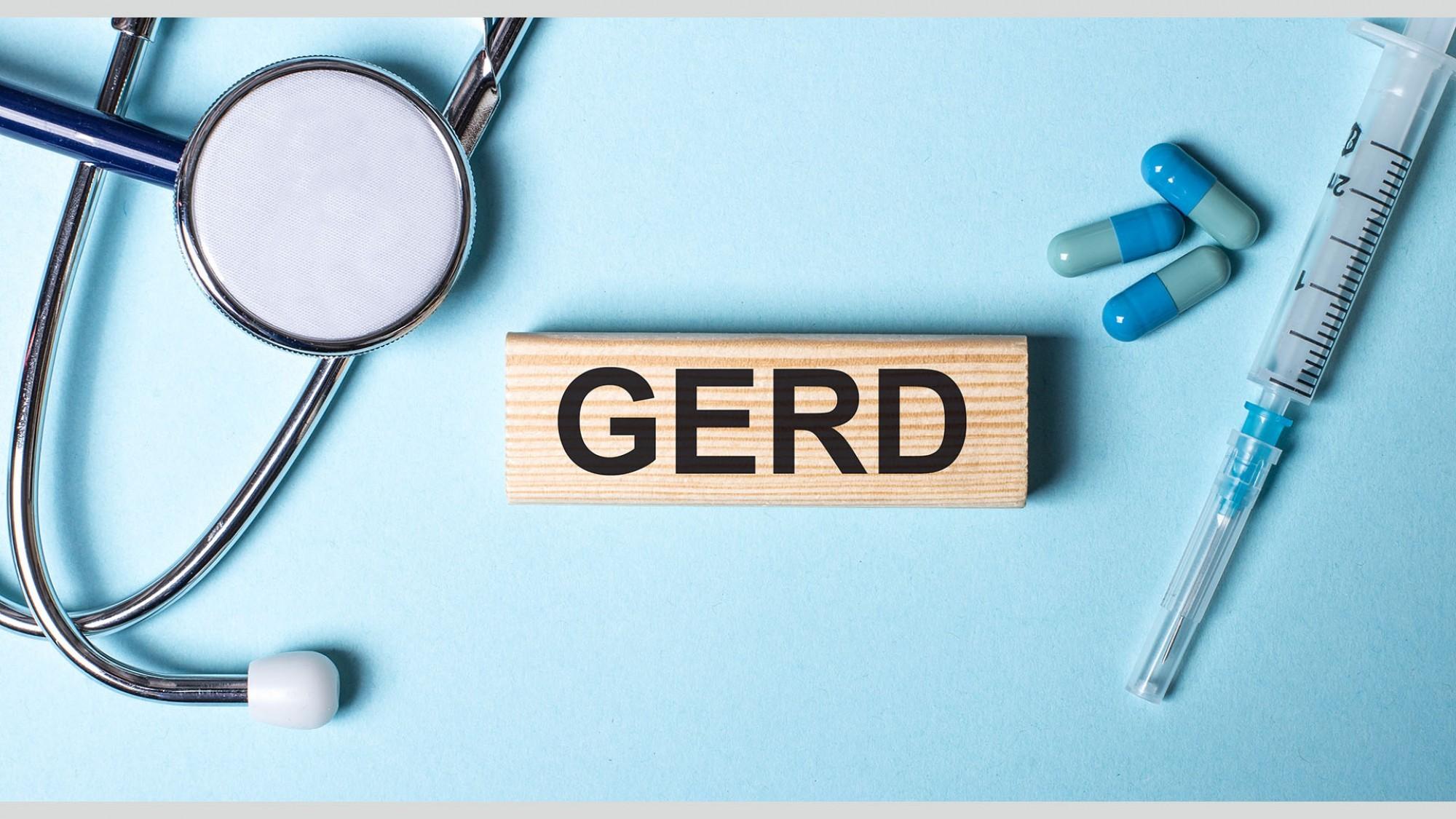
From Acid Reflux to GERD – When Surgery Like Fundoplication Becomes Necessary
Chronic heartburn, frequent burping, chest discomfort after meals, or waking up with a bitter taste in your mouth, these are more than just occasional annoyances. They could be signs of GERD (Gastroesophageal Reflux Disease), a condition that affects millions and, if left untreated, can cause long-term complications.
While most cases of GERD are managed through medication and lifestyle changes, some patients may require surgical intervention. That’s where fundoplication, particularly the Nissen procedure, steps in — and laparoscopic surgery makes it a smoother, faster recovery process.
What Is GERD?
GERD is a chronic condition where stomach acid frequently flows back into the esophagus, irritating the lining. This occurs when the lower esophageal sphincter (LES) becomes weak or relaxed.
Common symptoms include:
-
Persistent acid reflux or heartburn
-
Regurgitation of food or sour liquid
-
Trouble swallowing
-
Chronic cough or sore throat
-
Chest pain that mimics heart issues
Many patients first try antacids or proton pump inhibitors (PPIs). However, when medication no longer helps or causes side effects, surgical fundoplication becomes the next step.
What Is Fundoplication?
Fundoplication is a surgical technique where the top part of the stomach (the fundus) is wrapped around the lower esophagus to strengthen the LES. This creates a barrier that prevents acid from moving up the esophagus.
There are different types:
-
Nissen Fundoplication (360° wrap) – the most common and complete wrap
-
Toupet Fundoplication (270° wrap) – partial wrap for patients with weak esophageal muscles
-
TIF Procedure (Transoral Incisionless Fundoplication) – an endoscopic alternative for select patients
Most fundoplication procedures today are performed using laparoscopic surgery — or keyhole surgery — where small incisions and advanced tools allow for precise surgical correction with minimal recovery time.
When Is Fundoplication Necessary?
You may be a candidate for Nissen fundoplication if:
-
You have persistent GERD symptoms despite medication
-
You experience regurgitation even on PPIs
-
There’s evidence of esophageal damage (esophagitis or Barrett’s Esophagus)
-
You have a hiatal hernia contributing to reflux
-
GERD is affecting your quality of life (sleep disturbance, voice changes, dental erosion)
A general surgeon at IMH with experience in laparoscopic fundoplication procedures will assess your symptoms, perform endoscopy, pH testing, or esophageal manometry, and recommend the best treatment approach.
The Procedure & Recovery
Laparoscopic fundoplication is performed under general anesthesia and usually takes about 1–2 hours. Small incisions are made to allow for the insertion of the laparoscope and surgical instruments.
Most patients are discharged within 1–2 days. Recovery is significantly faster than with open surgery. Here’s what to expect:
-
Liquid diet for a few days
-
Transition to soft food for 2–3 weeks
-
Full recovery in 2–4 weeks
-
Low post-op pain due to laparoscopy
Patients often search for terms like:
-
“Nissen fundoplication surgery recovery time”
-
“Lap Nissen fundoplication procedure”
-
“fundoplication vs. tif procedure”
-
“Nissen fundoplasty risks”
-
“Lap fundoplication cost UAE.”
Be sure to ask your general surgical team about your specific case and expected outcomes.
Risks & Complications
Like any surgery, lap nissen fundoplication carries some risks:
-
Difficulty swallowing (dysphagia)
-
Bloating or inability to burp
-
Recurrence of symptoms if the wrap loosens
-
Infection or anesthesia-related complications
However, when performed by experienced laparoscopic surgeons, outcomes are excellent, especially for patients struggling with long-term GERD or hiatal hernia.
If you’re experiencing severe, uncontrolled acid reflux, it may be time to move beyond medication. Laparoscopic fundoplication offers a long-term solution with excellent results and a shorter recovery after an appendectomy or gallbladder surgery-style healing timeline.
Whether it’s a Nissen fundoplication, tif procedure, or laparoscopic surgery for a hiatal hernia, modern surgical techniques offer lasting relief with minimal disruption.
Talk to our general surgeon who specializes in laparoscopic fundoplication. It may just be the solution to your years of discomfort without the big scar, long hospital stay, or extended downtime.
Recent Posts



 04 406 3000
  04 406 3000
Quick Links
Legal
Working Hours
-
Out-patient Department
Monday to Saturday | 8 AM to 9 PM
Sunday | 10 AM to 6 PM
Emergency Department & Pharmacy | 24x7
Connect with us!




©2026 IMH. All Rights Reserved. Ministry of Health License No : TEBMJIU0-060622