

Eye Trauma in Everyday Life: Simple Accidents That Can Cause Permanent Damage
Eye Trauma in Everyday Life: Simple Accidents That Can Cause Permanent Damage
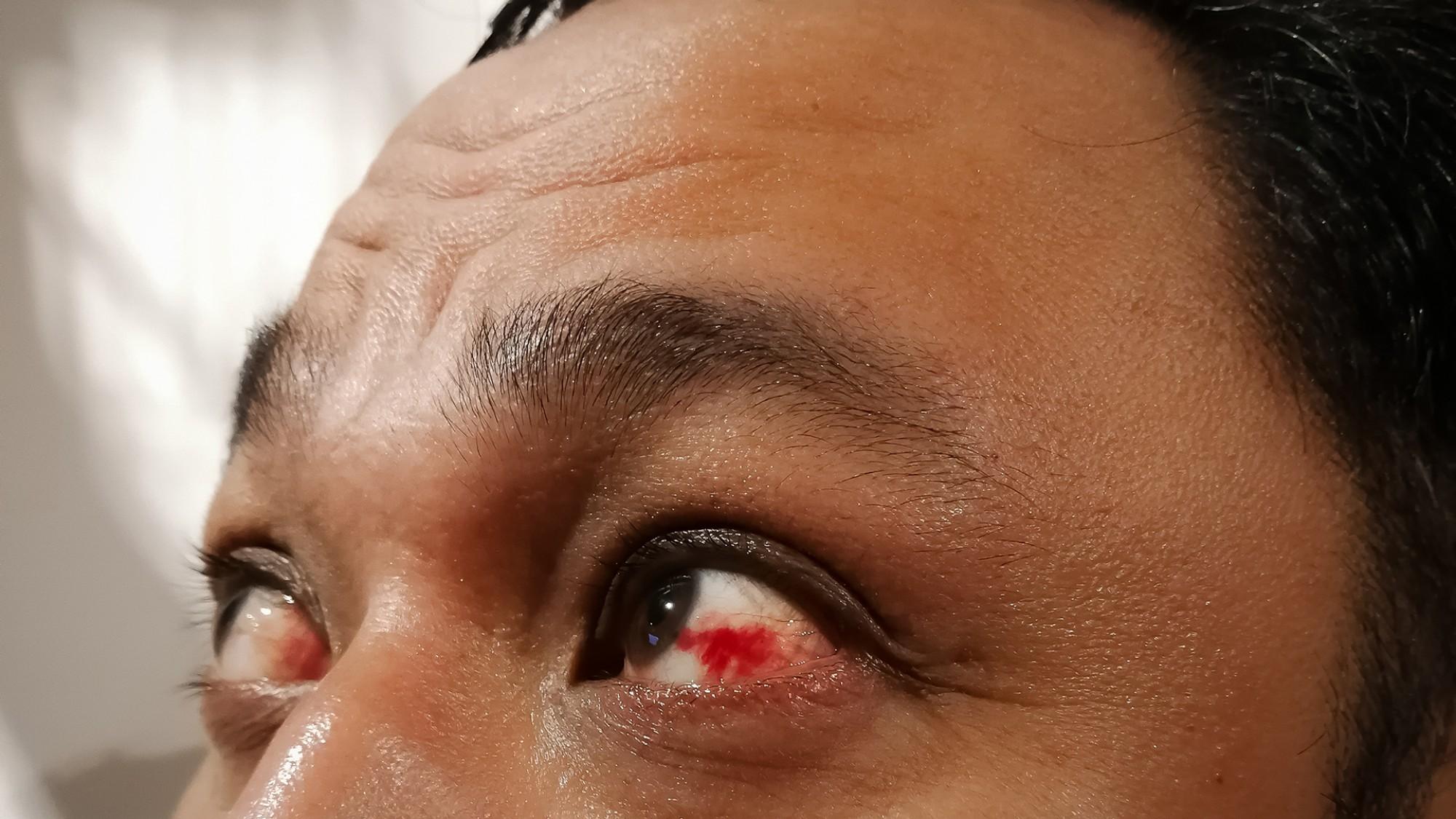
Eye Trauma in Everyday Life: Simple Accidents That Can Cause Permanent Damage
Eye injuries can happen in seconds, yet the impact can last a lifetime. Most people imagine eye trauma as something linked to major accidents, sports injuries, or workplace hazards. But in reality, everyday activities—cooking, cleaning, gardening, playing with children, opening packages, or even applying makeup—can lead to serious damage to the eye. In the UAE, where active lifestyles, outdoor sports, construction work, and fast-paced living are the norm, the risk of eye trauma is much higher than many people realize. What makes eye injuries especially concerning is how quickly they can escalate into vision-threatening complications if not treated immediately.
The eye is a delicate organ made up of several sensitive structures: the cornea, conjunctiva, lens, retina, eyelids, and surrounding tissues. Even mild trauma can affect these structures in ways that cause pain, swelling, blurred vision, or long-term sensitivity. For example, a simple scratch from a fingernail or a makeup brush can injure the cornea—the transparent front layer responsible for clear vision. Corneal abrasions are extremely painful and can lead to infection if left untreated. In Dubai’s climate, with dust and sand particles in the air, these injuries can worsen rapidly.
Chemical injuries are another common form of eye trauma. Household cleaning products, perfumes, detergents, or hair sprays can accidentally splash into the eyes. Even mild chemicals can damage the ocular surface if not rinsed promptly. In more severe cases, such as exposure to bleach or acidic cleaners, the damage can be permanent. Many individuals hesitate to seek help after chemical exposure, assuming that discomfort will pass. But the first few minutes after exposure are critical—immediate rinsing and urgent medical evaluation can make the difference between full recovery and long-term damage.
Sports-related injuries are also frequent. Activities such as football, basketball, badminton, and squash can easily result in fast-moving impacts to the eye. A flying ball, elbow collision, or strain from sudden movements can cause trauma ranging from mild bruising to retinal tears. Children are especially vulnerable as they often play without protective gear. Adventure activities popular in the UAE, such as desert biking, water sports, and rock climbing, carry additional risks due to sand, debris, and high-velocity impacts.
One of the more overlooked causes of eye trauma is foreign bodies. Small particles such as dust, metal shavings, wood splinters, or sand grains can become trapped under the eyelid or lodge on the cornea. Rubbing the eye only makes the injury worse. In occupational settings, especially in construction or carpentry, workers are at high risk. Improper or absent protective eyewear is a major factor. Even office workers are not immune; handling staplers, paper clips, or opening packages can lead to unexpected accidents.
The most serious form of eye trauma involves blunt or penetrating injuries. A strong blow—such as from a fall, car door, or heavy object—can cause internal bleeding, lens dislocation, or retinal detachment. These conditions may not cause immediate severe pain, but can lead to permanent sight loss if not treated urgently. Penetrating injuries, such as accidents involving sharp tools, can introduce infection deep inside the eye, requiring emergency surgery.
Recognizing the signs of serious eye trauma is crucial. Sudden pain, blurred vision, flashes of light, floaters, swelling, double vision, blood inside the eye, or visible deformity all require immediate evaluation. Even mild injuries should not be ignored because complications can develop after hours or days. Self-treatment, such as rubbing the eye, applying pressure, or using random eye drops, can worsen the injury.
Treatment depends on the type and severity of the trauma. Minor abrasions typically heal with antibiotic drops and rest. Foreign bodies must be removed carefully by professionals. Chemical injuries require irrigation and protective treatment. Blunt or penetrating injuries may require imaging, medications to control inflammation, or surgery. Retinal tears or detachments require urgent intervention to salvage vision.
Prevention is equally important. Safety glasses should be worn during sports, DIY tasks, or workplace activities involving dust, chemicals, or sharp tools. Children should use protective eyewear during sports. Avoid rubbing your eyes, especially in dusty environments. Use caution when applying makeup, handling sprays, or cleaning products. And most importantly, seek immediate care for any eye injury. Delaying treatment allows complications to progress.
Eye trauma is far more common than people think, but most injuries are preventable. Awareness and early action can protect your vision and prevent lifelong complications. The eye heals quickly, but only when treated correctly. Never ignore an injury, no matter how small it seems. Your vision is too valuable to take chances.
Recent Posts



 04 406 3000
  04 406 3000
Quick Links
Legal
Working Hours
-
Out-patient Department
Monday to Saturday | 8 AM to 9 PM
Sunday | 10 AM to 6 PM
Emergency Department & Pharmacy | 24x7
Connect with us!




©2026 IMH. All Rights Reserved. Ministry of Health License No : TEBMJIU0-060622