

Endoscopy Demystified — What Really Happens During the Procedure
Endoscopy Demystified — What Really Happens During the Procedure
Endoscopy Demystified — What Really Happens During the Procedure
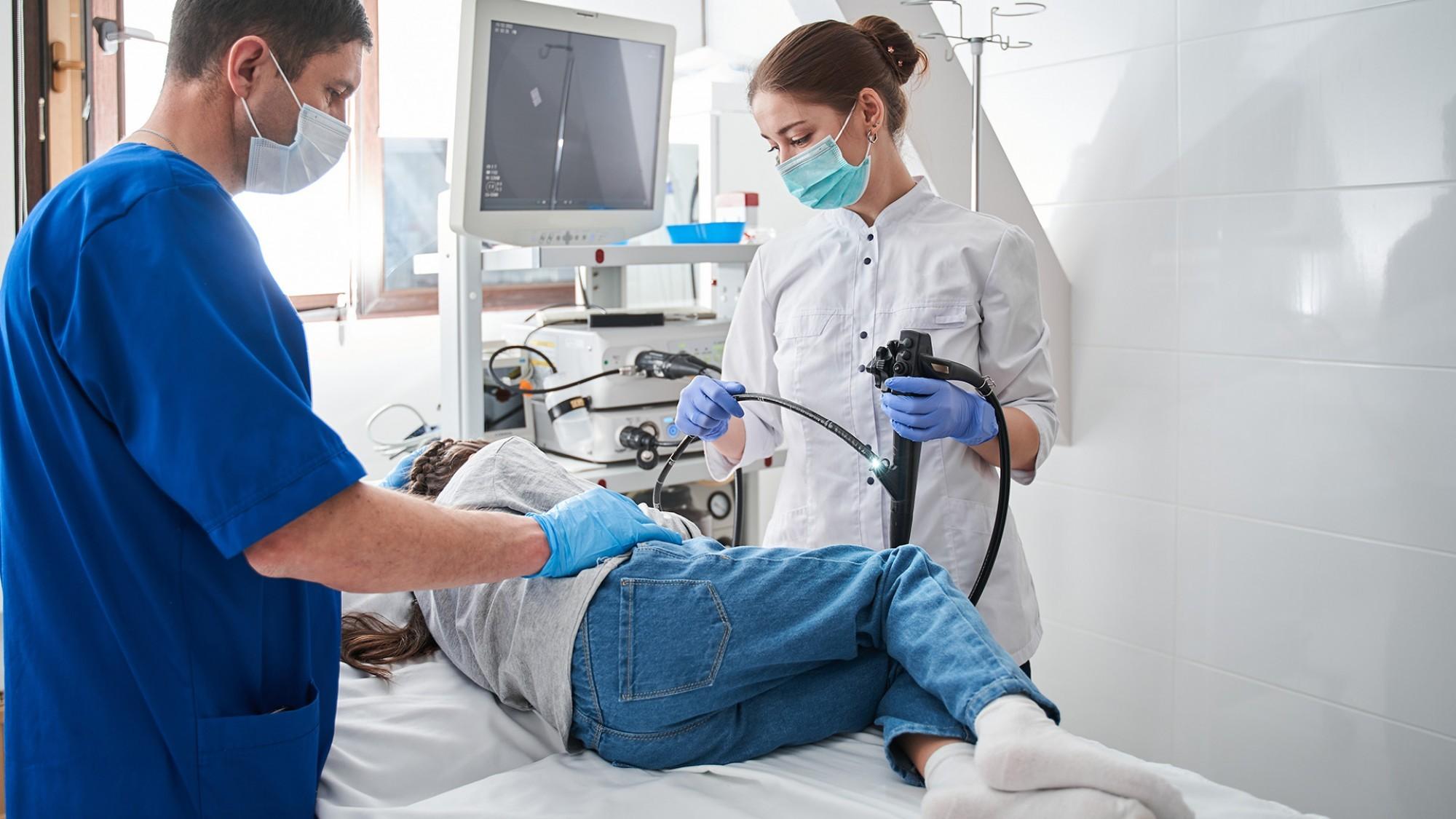
For many patients, the word endoscopy creates anxiety. Images of invasive tubes, pain, and discomfort can make the idea intimidating. Yet, in reality, endoscopy is one of the safest and most effective tools in modern gastroenterology, designed to provide clear answers to digestive problems and, in many cases, immediate treatment.
An endoscopy involves using a thin, flexible tube equipped with a light and a camera to look inside parts of the digestive tract. Depending on which section needs examining, the procedure takes different forms. A gastroscopy, or upper endoscopy, looks at the esophagus, stomach, and first part of the small intestine. A colonoscopy examines the large intestine. Capsule endoscopy, on the other hand, uses a pill-sized camera that a patient swallows, which takes thousands of pictures as it travels naturally through the digestive system.
The reasons for recommending an endoscopy are wide-ranging. Doctors may use it to investigate persistent heartburn, abdominal pain, difficulty swallowing, bleeding, or unexplained weight loss. It can also diagnose ulcers, cancers, or inflammatory bowel disease. Importantly, endoscopy isn’t just diagnostic; it’s therapeutic. During a colonoscopy, for example, polyps can be removed on the spot, preventing them from becoming cancerous. Bleeding can be stopped, strictures can be widened, and suspicious tissue can be biopsied for analysis.
One of the greatest fears patients have is pain. In practice, most endoscopies are done under sedation or light anesthesia, making them virtually painless. Patients typically wake up with little or no memory of the procedure itself. The preparation fasting before a gastroscopy or cleansing the bowel before a colonoscopy is often the most inconvenient part, but it’s essential for accurate results. After the procedure, patients usually return home the same day and can resume most normal activities within 24 hours.
Endoscopy has a strong safety record. Complications are rare, and the benefits far outweigh the risks when it comes to detecting or preventing serious disease. The idea that endoscopy is only for very sick patients is another misconception. In reality, it’s increasingly used for preventive screening, especially for colorectal cancer.
Far from being something to fear, endoscopy should be seen as a gateway to peace of mind. It provides doctors with a clear view inside the digestive system, offering patients answers and reassurance and, when needed, timely interventions that can save lives.
Recent Posts



 04 406 3000
  04 406 3000
Quick Links
Legal
Working Hours
-
Out-patient Department
Monday to Saturday | 8 AM to 9 PM
Sunday | 10 AM to 6 PM
Emergency Department & Pharmacy | 24x7
Connect with us!




©2026 IMH. All Rights Reserved. Ministry of Health License No : TEBMJIU0-060622