

Early Warning Signs of GI Cancer You Shouldn’t Ignore
Early Warning Signs of GI Cancer You Shouldn’t Ignore
Early Warning Signs of GI Cancer You Shouldn’t Ignore
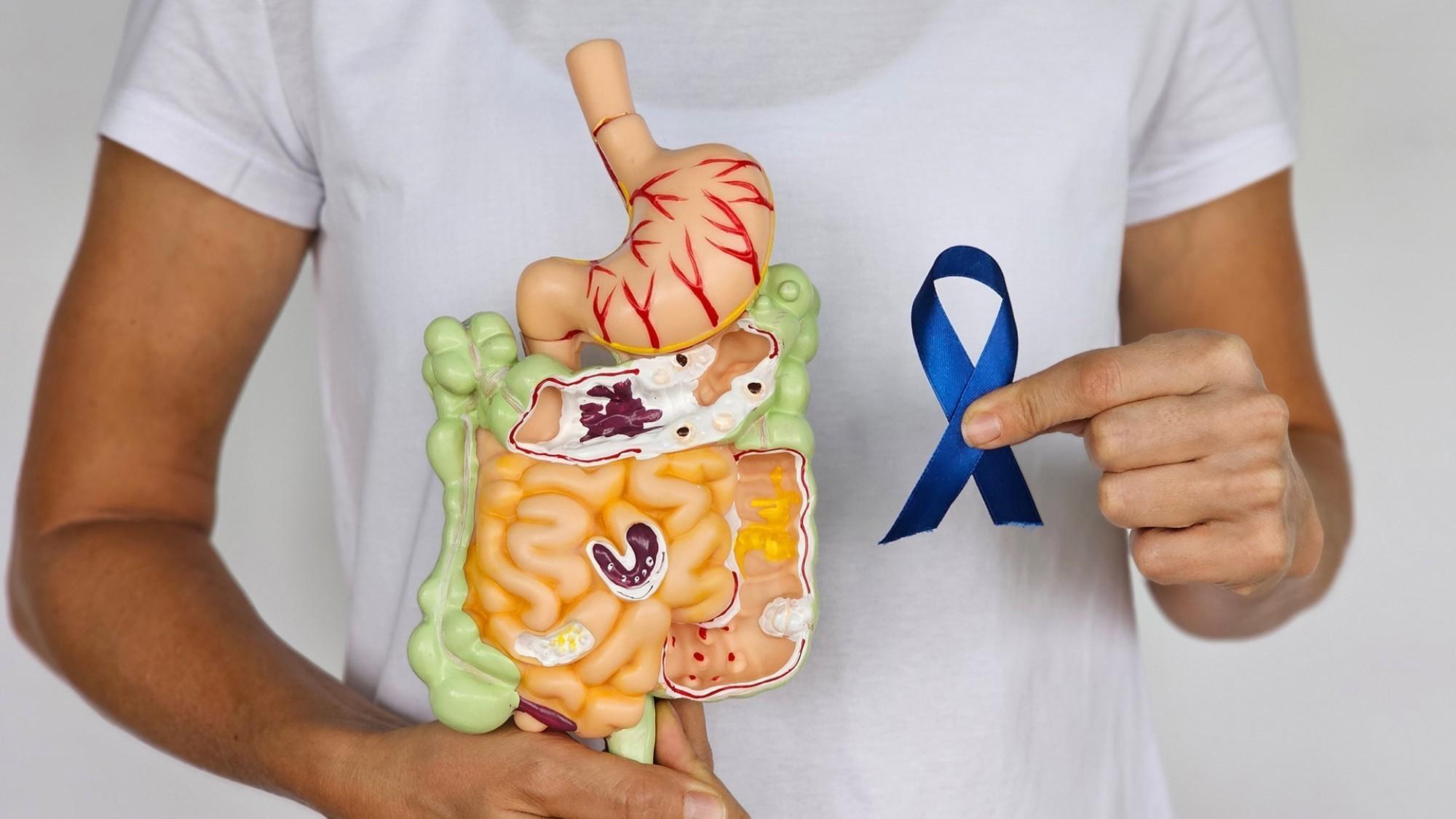
Cancers of the digestive tract known collectively as gastrointestinal (GI) cancers, are among the leading causes of cancer-related deaths worldwide. These include cancers of the stomach, colon, liver, pancreas, and esophagus. The greatest challenge with GI cancers is that early signs often mimic everyday problems like indigestion, acid reflux, or bloating. Because patients dismiss these symptoms as minor, diagnosis often happens late, when treatment is more difficult.
The Subtle Warning Signs
Persistent heartburn or GERD symptoms that don’t improve with medication may point to esophageal cancer. Difficulty swallowing or feeling like food sticks in the throat should never be ignored. Unexplained weight loss, fatigue, loss of appetite, or blood in stool are also warning signs. Chronic bloating or a distended stomach not linked to diet can be an early clue of ovarian or gastric cancer.
One of the most concerning signs is rectal bleeding. While many patients assume it’s just hemorrhoids, blood in stool can also be caused by colorectal cancer. Similarly, ongoing indigestion or abdominal pain that doesn’t respond to standard remedies should always be checked.
Why Early Detection Saves Lives
Screening is critical because GI cancers often develop slowly and silently. A colonoscopy can detect and remove colon polyps before they become cancerous. Gastroscopy can identify ulcers or suspicious lesions in the stomach or esophagus. Imaging tests and biopsies can pick up early-stage disease, when treatment success rates are much higher.
Medical guidelines now recommend starting colon cancer screening as early as age 40–45, particularly for those with a family history. Regular endoscopies and liver tests are advised for high-risk groups, such as people with fatty liver disease, chronic hepatitis, or Barrett’s esophagus.
When to Seek Medical Help
The rule is simple: if digestive symptoms are persistent, worsening, or unusual for you, see a doctor. Don’t brush off ongoing acid reflux, indigestion, bloating, or blood in stool as trivial.
GI cancers are often curable when caught early. Unfortunately, too many patients delay seeking care because symptoms overlap with common digestive complaints. By paying attention to your body and prioritizing screening, you can take control of your health.
If you notice persistent bloating, unexplained weight loss, reflux, or blood in stool, book an appointment with a gastroenterologist. Early action could save your life.
Recent Posts





 04 406 3000
  04 406 3000
Quick Links
Legal
Working Hours
-
Out-patient Department
Monday to Saturday | 8 AM to 9 PM
Sunday | 10 AM to 6 PM
Emergency Department & Pharmacy | 24x7
Connect with us!




©2026 IMH. All Rights Reserved. Ministry of Health License No : TEBMJIU0-060622