

Diabetes in Dubai: How Lifestyle Changes Can Prevent Complications
Diabetes in Dubai: How Lifestyle Changes Can Prevent Complications
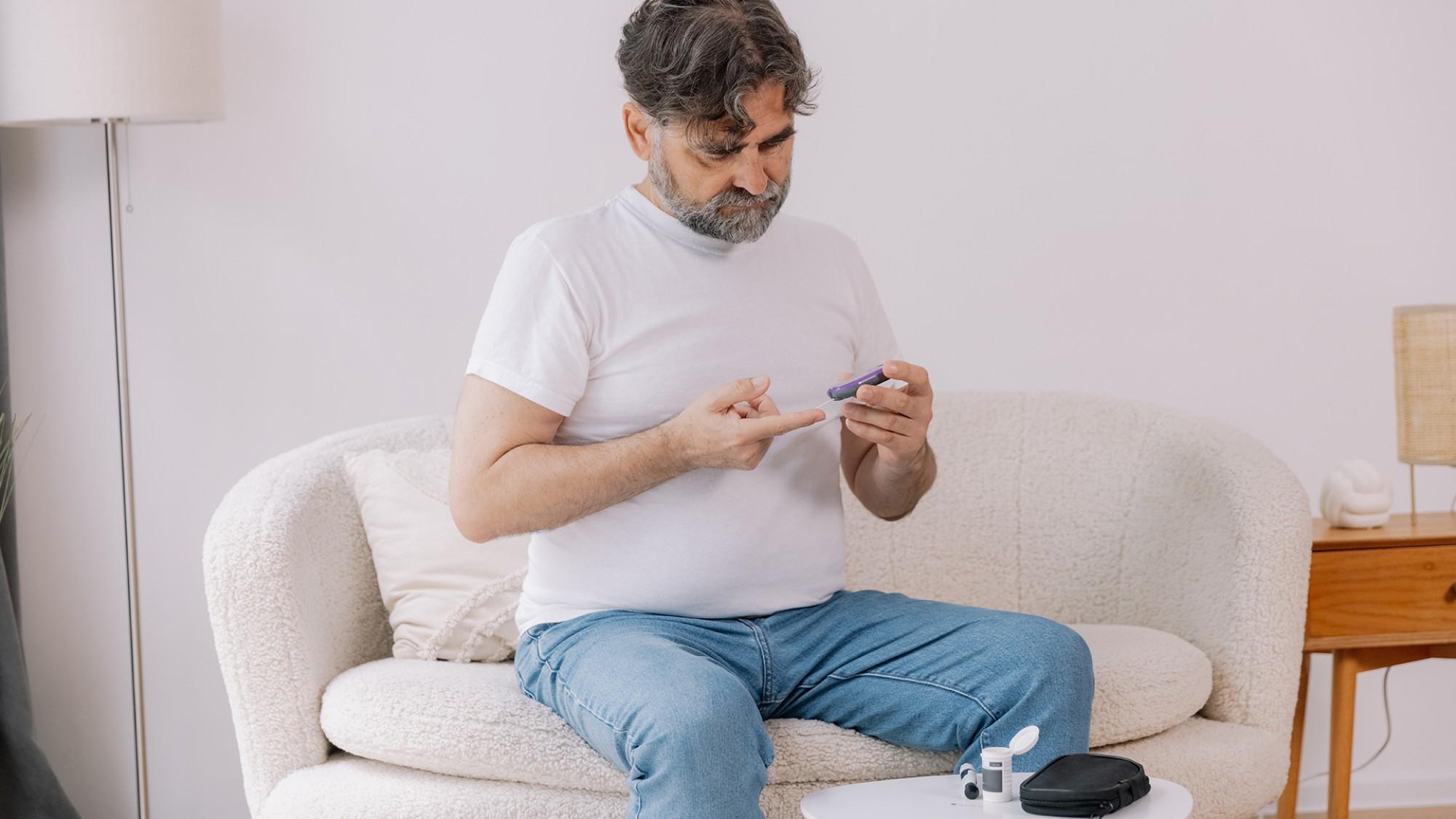
Diabetes in Dubai: How Lifestyle Changes Can Prevent Complications
In the UAE, where modern lifestyles often mean long office hours, high-calorie diets, and reduced physical activity, diabetes has become a silent epidemic. Many people dismiss fatigue, frequent thirst, or unexplained weight changes as minor inconveniences when, in reality, they may be early signs of diabetes. Left unchecked, the disease can quietly damage the heart, kidneys, nerves, and eyes. With nearly 1 in 5 adults in the UAE living with diabetes, awareness and prevention are not just medical needs—they are public health priorities.
Diabetes is a chronic condition where the body cannot regulate blood sugar effectively. In Type 1 diabetes, the immune system attacks the insulin-producing cells of the pancreas, requiring lifelong insulin therapy. In Type 2 diabetes, which makes up the vast majority of cases in the UAE, the body becomes resistant to insulin or fails to produce enough. Gestational diabetes, which occurs during pregnancy, adds further complexity, affecting both mother and child.
What makes diabetes particularly dangerous is not always the day-to-day symptoms, but the long-term complications. Uncontrolled blood sugar gradually damages blood vessels and organs, leading to heart attacks, kidney failure, blindness, amputations, and an increased risk of stroke. Many patients only realize the seriousness of the disease when these complications have already begun. The good news? Much of this is preventable.
Risk factors are well-known: obesity, sedentary lifestyle, family history, and unhealthy diet. In Dubai’s fast-paced environment, where fast food is easily accessible and physical activity is often sidelined, the risks multiply. Cultural factors, such as traditional diets high in carbohydrates or the challenge of maintaining healthy routines during Ramadan, also play a role. Recognizing these local realities is key to prevention.
Diagnosis is straightforward with fasting blood sugar tests, HbA1c (three-month average sugar levels), and glucose tolerance tests. Once diagnosed, treatment depends on severity. Early stages of Type 2 diabetes can often be reversed or controlled with lifestyle changes: balanced diets, regular physical activity, and weight management. For many, medications or insulin therapy may eventually be required, but early intervention makes a profound difference.
Modern healthcare in Dubai offers advanced tools for diabetes management. Continuous glucose monitoring (CGM), insulin pumps, and telehealth check-ins empower patients to stay in control. Education is equally important—patients are taught how to adjust meals during Ramadan, monitor sugar during travel, and integrate exercise into daily routines.
But beyond technology and medicine lies the psychological impact. Many patients struggle with denial or burnout from the demands of constant monitoring. Support groups, counseling, and patient education workshops help bridge the gap, reminding individuals that they are not alone. In a culture where family ties are strong, involving loved ones in care makes management more sustainable.
The future of diabetes care in Dubai lies in prevention. Annual check-ups, workplace wellness programs, and community awareness campaigns are turning the tide. By encouraging people to adopt healthier eating habits, stay active, and seek medical advice early, the burden of diabetes can be reduced dramatically.
For every person silently coping with fatigue or frequent thirst, the message is simple: do not ignore the signs. Diabetes is common, but it is not inevitable—and it is certainly not unbeatable. With the right lifestyle changes and medical support, life with diabetes can be full, active, and complication-free. In Dubai, where world-class healthcare meets community awareness, the fight against diabetes is one of empowerment, not fear.
Recent Posts




 04 406 3000
  04 406 3000
Quick Links
Legal
Working Hours
-
Out-patient Department
Monday to Saturday | 8 AM to 9 PM
Sunday | 10 AM to 6 PM
Emergency Department & Pharmacy | 24x7
Connect with us!




©2026 IMH. All Rights Reserved. Ministry of Health License No : TEBMJIU0-060622