

Diabetes and Your Eyes: The Damage You Can’t See Until It’s Too Late
Diabetes and Your Eyes: The Damage You Can’t See Until It’s Too Late
Diabetes and Your Eyes: The Damage You Can’t See Until It’s Too Late
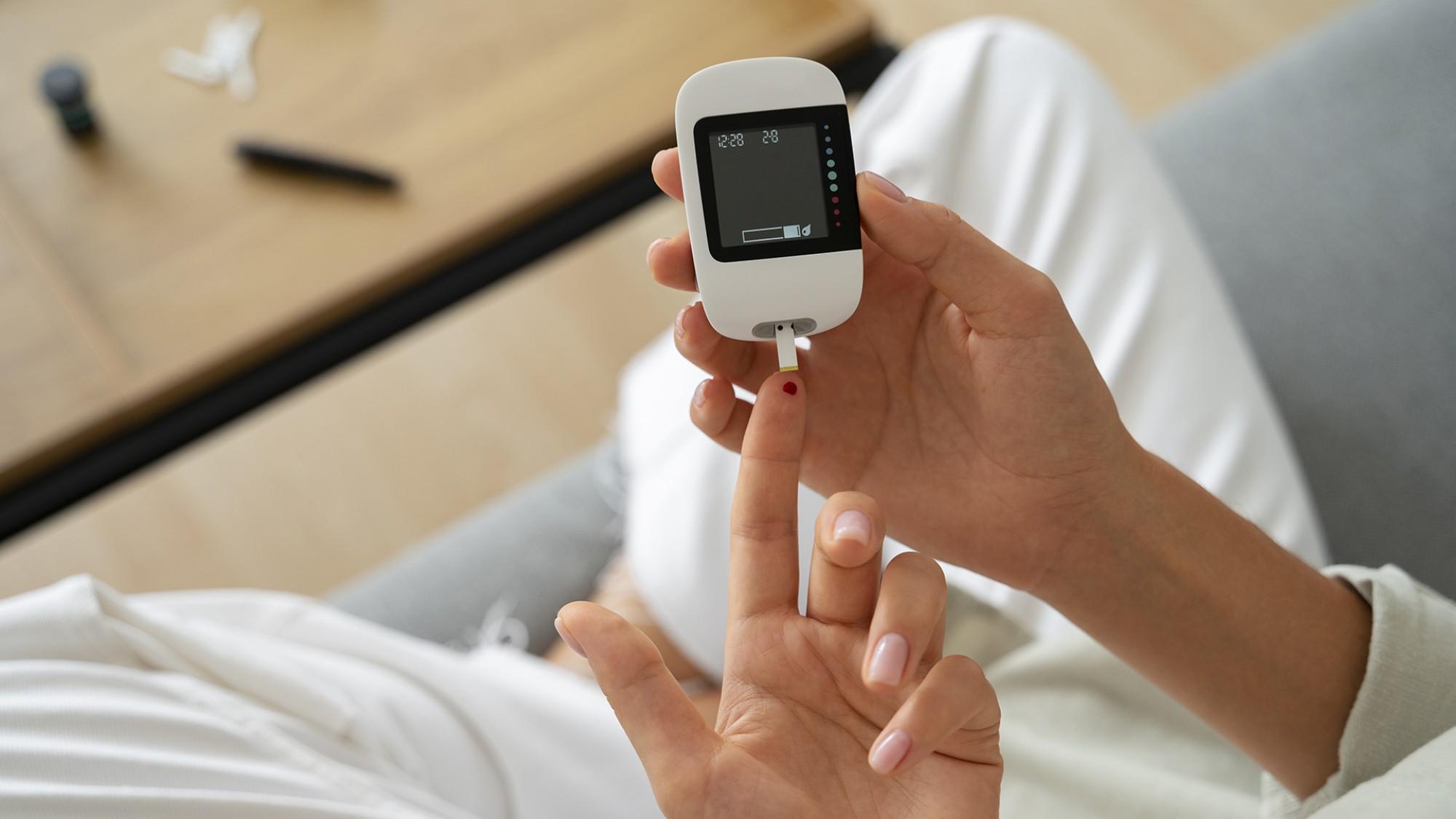
Diabetes is one of the most widespread chronic conditions in the UAE, affecting thousands of adults across Dubai and the wider region. While many people are familiar with its impact on blood sugar, nerves, and the kidneys, fewer realize how profoundly diabetes affects vision. In fact, diabetic eye disease is among the leading causes of vision loss worldwide—and yet, it often progresses silently for years before symptoms appear. This makes diabetes one of the most important conditions to monitor closely from an eye-health perspective. Understanding how diabetes affects the eyes and why early detection is crucial empowers patients to protect their sight long before complications arise.
When blood sugar levels remain consistently high, they damage tiny blood vessels throughout the body, including those in the retina—the delicate layer of tissue responsible for capturing light and transmitting visual signals to the brain. Over time, this damage leads to a condition known as diabetic retinopathy. It begins quietly with small leaks, microaneurysms, or areas of reduced blood flow. At this early stage, most patients do not experience any vision change. This lack of symptoms leads many people to assume their eyes are healthy, even while the disease is steadily progressing. Without careful monitoring, diabetic retinopathy can advance to more serious stages that involve bleeding, swelling, or the formation of fragile new blood vessels that can rupture easily.
One of the most concerning complications is diabetic macular edema. The macula, located at the center of the retina, is responsible for sharp, detailed vision needed for tasks such as reading, driving, and recognizing faces. When diabetes causes fluid to accumulate in this area, the macula swells, and vision becomes distorted or blurry. Unlike mild refractive changes or dry eye symptoms, macular edema does not improve with glasses. If left untreated, it can cause permanent visual impairment. The challenge is that swelling can occur even when the patient feels perfectly fine and reports no vision problems. This is why annual eye examinations are not optional for individuals with diabetes—they are essential.
Dubai’s lifestyle adds additional complexity to diabetic eye health. Long working hours, high screen exposure, frequent stress, dietary habits, and a climate that encourages indoor living all contribute to fluctuating sugar levels. The UAE also has one of the highest rates of Type 2 diabetes globally, and many people may have prediabetes without realizing it. Combined with genetic predisposition and sedentary routines, these factors mean the eyes are continuously exposed to risk. Good control of blood sugar, blood pressure, and cholesterol dramatically reduces the likelihood of diabetic eye disease, but it does not eliminate the need for regular retinal screening. Even well-controlled diabetes can lead to retinopathy over time.
A comprehensive diabetic eye exam includes several key components designed to detect early damage. Retinal imaging and OCT (Optical Coherence Tomography) scans provide detailed cross-sectional views of the retina, allowing specialists to identify microscopic swelling or subtle vessel changes long before symptoms develop. Dilated eye exams allow a clear assessment of the peripheral retina, where early retinopathy changes often occur. In more advanced cases, fluorescein angiography may be used to determine which blood vessels are leaking or blocked. These tests are painless, quick, and extremely valuable for establishing a baseline and tracking disease progression.
The good news is that diabetic retinopathy is highly treatable—especially when detected early. Modern management options include anti-VEGF injections that reduce swelling and prevent abnormal vessel growth, laser treatments that seal leaking blood vessels, and minimally invasive procedures for more advanced cases. With consistent follow-up and timely intervention, the majority of patients can maintain stable vision. However, treatment becomes far more challenging if the disease is allowed to progress unchecked. Late-stage complications such as vitreous hemorrhage, tractional retinal detachment, or extensive scarring often require surgical intervention and pose a higher risk of permanent vision loss.
Living with diabetes in the UAE also requires attention to lifestyle patterns that influence eye health. For example, during Ramadan, changes in meal timing, hydration, and medication schedules may affect blood sugar stability. Patients should discuss their fasting plans with both their diabetologist and ophthalmologist to ensure safe monitoring. Maintaining a balanced diet rich in antioxidants, leafy greens, fruits, and Omega-3s also supports retinal health. Regular exercise improves blood flow and reduces inflammation, while quitting smoking lowers the risk of disease progression. Even small lifestyle adjustments can contribute significantly to preserving long-term vision.
It is important to remember that people with diabetes should never wait for symptoms before seeing an eye specialist. By the time blurred vision, floaters, or dark spots appear, the disease may already be in an advanced stage. Early intervention is always more successful, more comfortable, and less invasive than treating advanced complications. For this reason, international guidelines recommend yearly eye exams for all people with diabetes—and more frequent follow-ups for those with early-stage or known retinal changes.
The relationship between diabetes and eye health highlights an essential truth: vision loss from diabetic retinopathy is largely preventable. With regular screening, healthy lifestyle choices, and timely treatment, individuals can significantly reduce their risk. In a city like Dubai, where access to advanced medical care and retinal imaging is readily available, there is no reason to leave eye health to chance. Patients should see eye examinations as part of their diabetes management plan, just as important as checking their sugar levels or monitoring their diet.
Ultimately, protecting your vision means taking diabetes seriously long before symptoms develop. With awareness, prevention, and early detection, individuals can maintain clear, healthy vision throughout their lives. Diabetic eye disease may be silent, but it is not unstoppable. Proactive care is the key—and your eyesight is worth every effort.
Recent Posts





 04 406 3000
  04 406 3000
Quick Links
Legal
Working Hours
-
Out-patient Department
Monday to Saturday | 8 AM to 9 PM
Sunday | 10 AM to 6 PM
Emergency Department & Pharmacy | 24x7
Connect with us!




©2026 IMH. All Rights Reserved. Ministry of Health License No : TEBMJIU0-060622