

Colonoscopy – Why This Screening Test Saves Lives
Colonoscopy – Why This Screening Test Saves Lives
Colonoscopy – Why This Screening Test Saves Lives
For many people, the idea of a colonoscopy brings feelings of hesitation or even fear. The thought of undergoing such a test may seem uncomfortable, unnecessary, or something to put off until “later.” Yet doctors consistently remind us that this simple procedure is one of the most powerful tools we have to protect against colon cancer. In fact, colonoscopy is often the difference between catching a problem early, when it is easily treatable, and discovering it too late, when treatment becomes more complicated.
Colorectal cancer, which includes both colon and rectal cancer, is among the most common forms of cancer worldwide. What makes it especially concerning is how quietly it develops. Most cases begin as small growths, known as polyps, inside the lining of the colon. These polyps are usually harmless at first, but over time, some can transform into cancer. Without a colonoscopy, they remain invisible, giving patients no warning signs until the disease has already progressed.
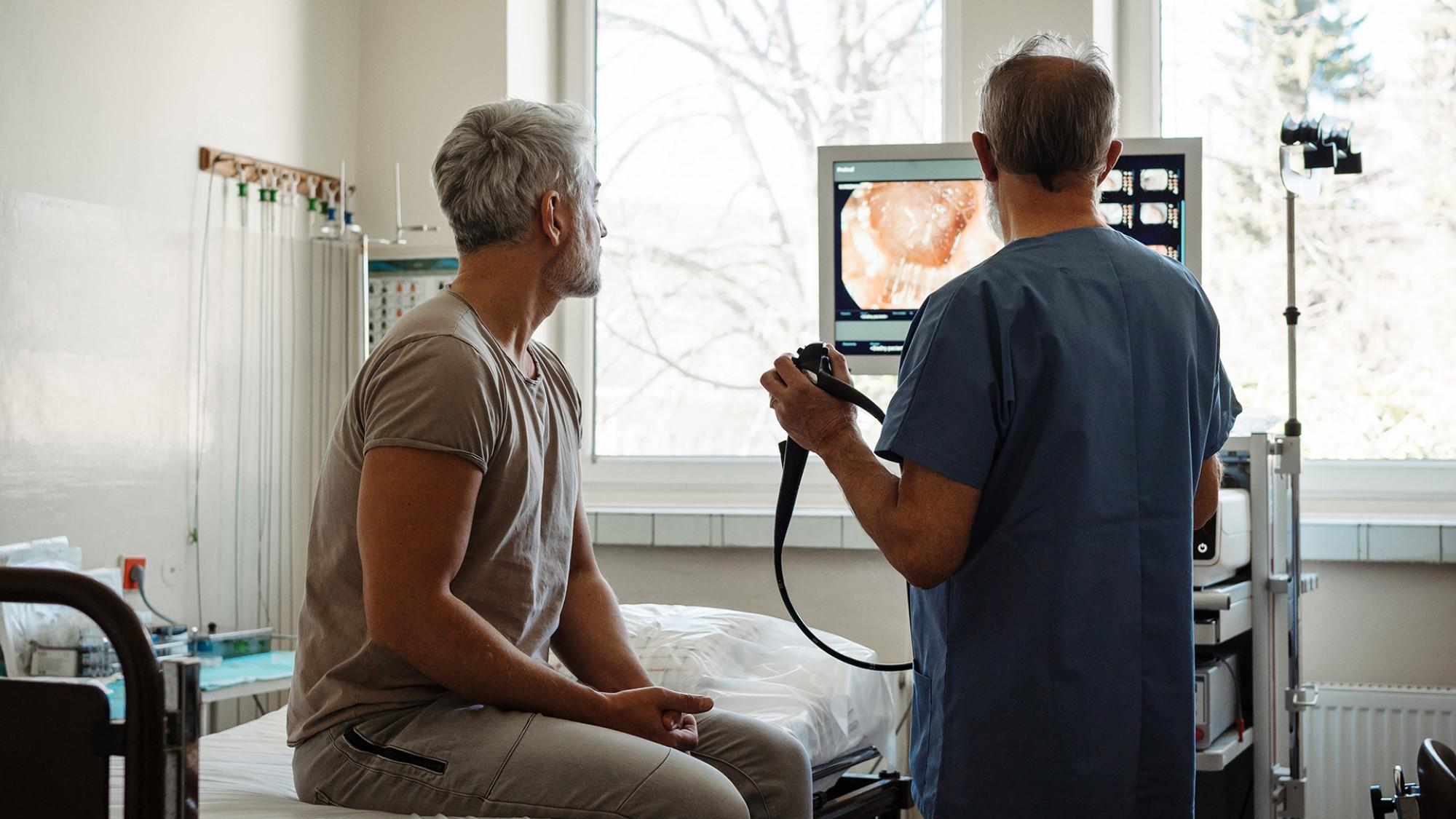
A colonoscopy changes that story. During the procedure, a gastroenterologist uses a flexible tube with a tiny camera to examine the entire large bowel. If they see polyps, they can often remove them right away, preventing them from turning into something dangerous. The test can also reveal other issues, such as colon inflammation, benign tumors, or early signs of malignancy. For patients, this means peace of mind and, in many cases, prevention.
While the thought of preparing for the test may seem daunting, the process is usually more straightforward than expected. The day before, patients follow a clear liquid diet and take a prescribed laxative to empty the bowels. It is not the most pleasant step, but it is essential for giving the doctor a clear view. On the day of the colonoscopy, sedation ensures that most patients remember very little of the procedure itself. Within half an hour, the examination is complete, and recovery takes just a short while before patients head home the same day.
Doctors usually recommend a colonoscopy beginning at the age of 45, or earlier for those with a family history of colorectal cancer. Still, younger patients should not ignore red flags such as unexplained rectal bleeding, persistent abdominal pain, changes in bowel habits, or unexplained weight loss. These symptoms, though sometimes linked to minor conditions, can also be early warnings of something far more serious.
The benefits of this screening test cannot be overstated. Studies show that regular colonoscopy can reduce the risk of colon cancer by up to 70 percent. Early detection not only saves lives but also makes treatment easier, often avoiding the need for aggressive chemotherapy or major surgery.
So, while a colonoscopy may not sound appealing, it is a small step with an enormous impact. In many ways, it is not just a test but a safeguard, reassuring patients that their most important health concerns are being taken seriously. When it comes to preventing colorectal cancer, there is simply no substitute.
Recent Posts



 04 406 3000
  04 406 3000
Quick Links
Legal
Working Hours
-
Out-patient Department
Monday to Saturday | 8 AM to 9 PM
Sunday | 10 AM to 6 PM
Emergency Department & Pharmacy | 24x7
Connect with us!




©2026 IMH. All Rights Reserved. Ministry of Health License No : TEBMJIU0-060622