

Colonoscopy in Your 40s — Why Prevention Starts Earlier Now
Colonoscopy in Your 40s — Why Prevention Starts Earlier Now
Colonoscopy in Your 40s — Why Prevention Starts Earlier Now
For many years, colonoscopies were something most people only thought about after turning 50. But medical guidelines and real-world data are changing that belief. Today, doctors increasingly recommend starting colorectal cancer screening as early as 40–45.
This shift isn’t about creating unnecessary fear; it’s about prevention. A colonoscopy not only detects cancer, but it also prevents it by removing precancerous polyps before they can develop into something more serious.
Why Colon Cancer is No Longer “an Older Person’s Disease”
Colorectal cancer is the second leading cause of cancer deaths worldwide, and what’s more concerning is that it’s affecting younger adults. In fact, studies show a significant rise in cases among people in their 30s and 40s.
The reasons aren’t fully understood, but experts point to:
- Diets high in processed foods and low in fiber
- Sedentary lifestyles
- Rising obesity and metabolic conditions
- Changes in gut bacteria
What makes this particularly dangerous is that younger patients don’t usually expect colon cancer, so diagnoses often happen late.
Why a Colonoscopy Matters
A colonoscopy is the gold standard test for colorectal health. Here’s why:
- Polyp removal: During the procedure, small growths (polyps) can be found and removed on the spot. Since most colon cancers start as polyps, this step is truly preventive.
- Early detection: If cancer is present, colonoscopy can detect it in its earliest, most treatable stage.
- Beyond cancer: It can also diagnose conditions like Crohn’s disease, ulcerative colitis, diverticulosis, or unexplained bleeding.
Think of it less as a test for the sick and more as a protective step for the healthy.
Addressing Common Myths
❌ “It’s painful.”
✔️ Reality: Colonoscopy is done under sedation. Most patients sleep through it and remember little to nothing.
❌ “It’s embarrassing.”
✔️ Reality: For doctors, this is a routine, daily procedure focused entirely on your health not judgment.
❌ “I don’t need it unless I have symptoms.”
✔️ Reality: Early cancers and polyps often cause no symptoms. Waiting for pain or bleeding means waiting too long.
Who Should Start Screening at 40?
Average-risk adults: Guidelines now encourage screening starting at 40–45 years old.
High-risk groups: Anyone with a family history of colorectal cancer, inflammatory bowel disease, or certain genetic conditions should start even earlier.
What to Expect During a Colonoscopy
1. Preparation – The night before, you’ll do a bowel cleanse to ensure the colon is clear. It’s the least pleasant part, but vital for accuracy.
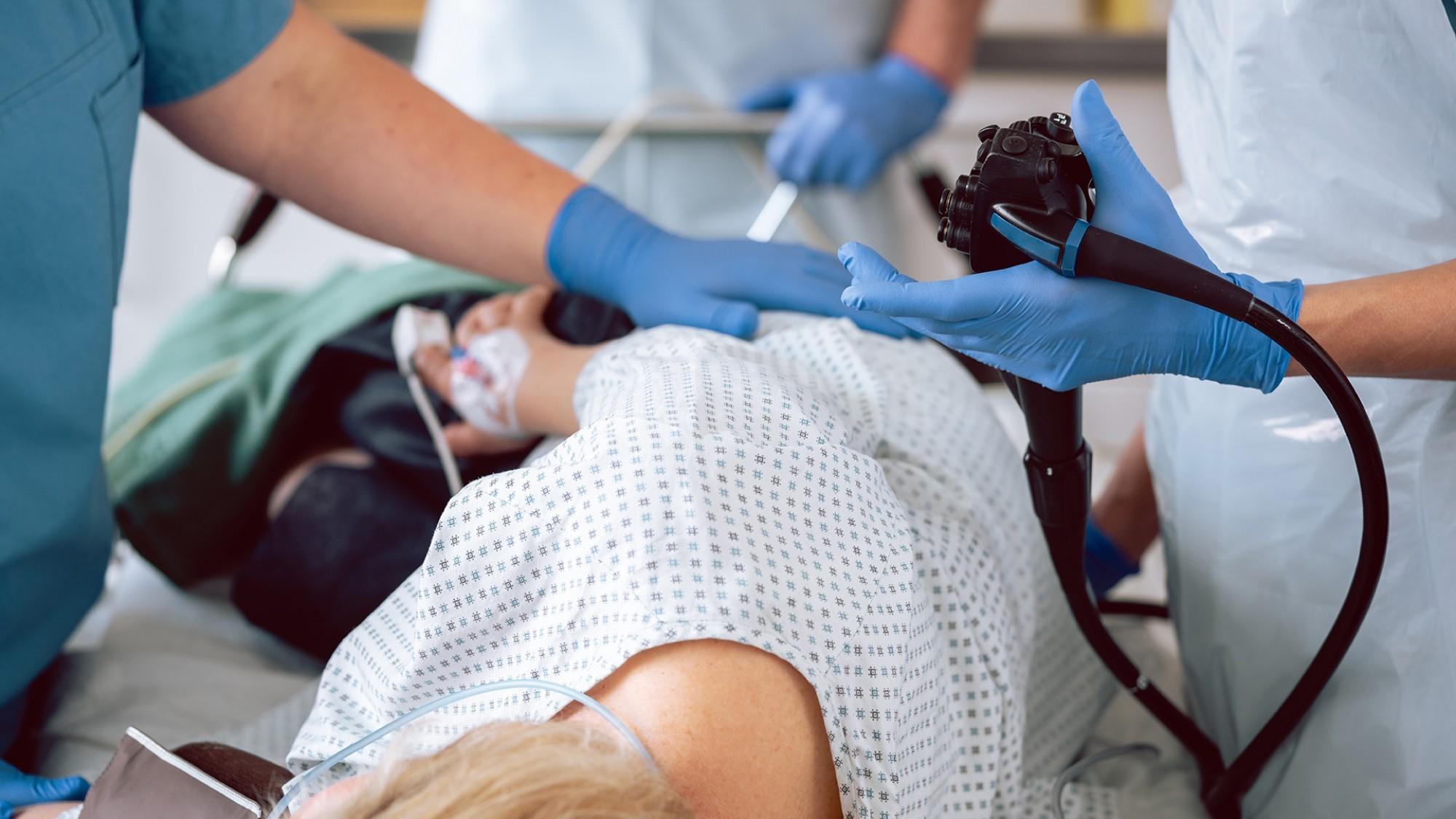
2. Procedure – You’ll be given sedation. The doctor guides a flexible camera (colonoscope) through your colon, checking for abnormalities.
3. Recovery – Most patients go home the same day, often within a couple of hours, and can resume normal activities soon after.
Yes, the preparation takes effort, but it’s a small trade-off for a test that could literally save your life.
Public Health Reminder: Don’t Wait for Symptoms
Colorectal cancer is one of the most preventable cancers with the right screening. If you’re in your 40s, scheduling a colonoscopy is not overreacting; it’s taking control of your health. Book your screening today. Don’t wait for symptoms. Prevention is always better than cure, and a colonoscopy can give you peace of mind for years to come.
Recent Posts



 04 406 3000
  04 406 3000
Quick Links
Legal
Working Hours
-
Out-patient Department
Monday to Saturday | 8 AM to 9 PM
Sunday | 10 AM to 6 PM
Emergency Department & Pharmacy | 24x7
Connect with us!




©2026 IMH. All Rights Reserved. Ministry of Health License No : TEBMJIU0-060622