

Cesarean vs. Normal Delivery – Myths, Facts, and What’s Best for You
Cesarean vs. Normal Delivery – Myths, Facts, and What’s Best for You
Cesarean vs. Normal Delivery – Myths, Facts, and What’s Best for You
When a woman prepares to give birth, one of the biggest questions she faces is whether her baby will be born through normal vaginal delivery or by cesarean section. Around this simple question, countless myths, fears, and opinions swirl, often leaving expectant mothers anxious and uncertain. In Dubai, where hospitals provide advanced maternity care and women have access to highly trained specialists, the discussion is guided not by rumor but by science, experience, and compassion. Yet the myths remain powerful, and separating fact from fiction is essential for every mother-to-be.
Vaginal delivery, often called “normal delivery,” is the body’s natural way of bringing life into the world. For many women, it offers clear advantages: quicker recovery, less surgical risk, and the chance to hold and bond with their newborn almost immediately. It is also often more cost-effective and avoids the complications associated with surgery. Yet the thought of labor can be daunting. Stories of prolonged contractions, pain, or tearing sometimes overshadow the fact that today’s hospitals in Dubai offer a range of pain relief methods from epidurals to breathing techniques that make natural childbirth safer and far less intimidating than in the past. Many women also find the experience empowering, a rite of passage that deepens their sense of connection to their baby.
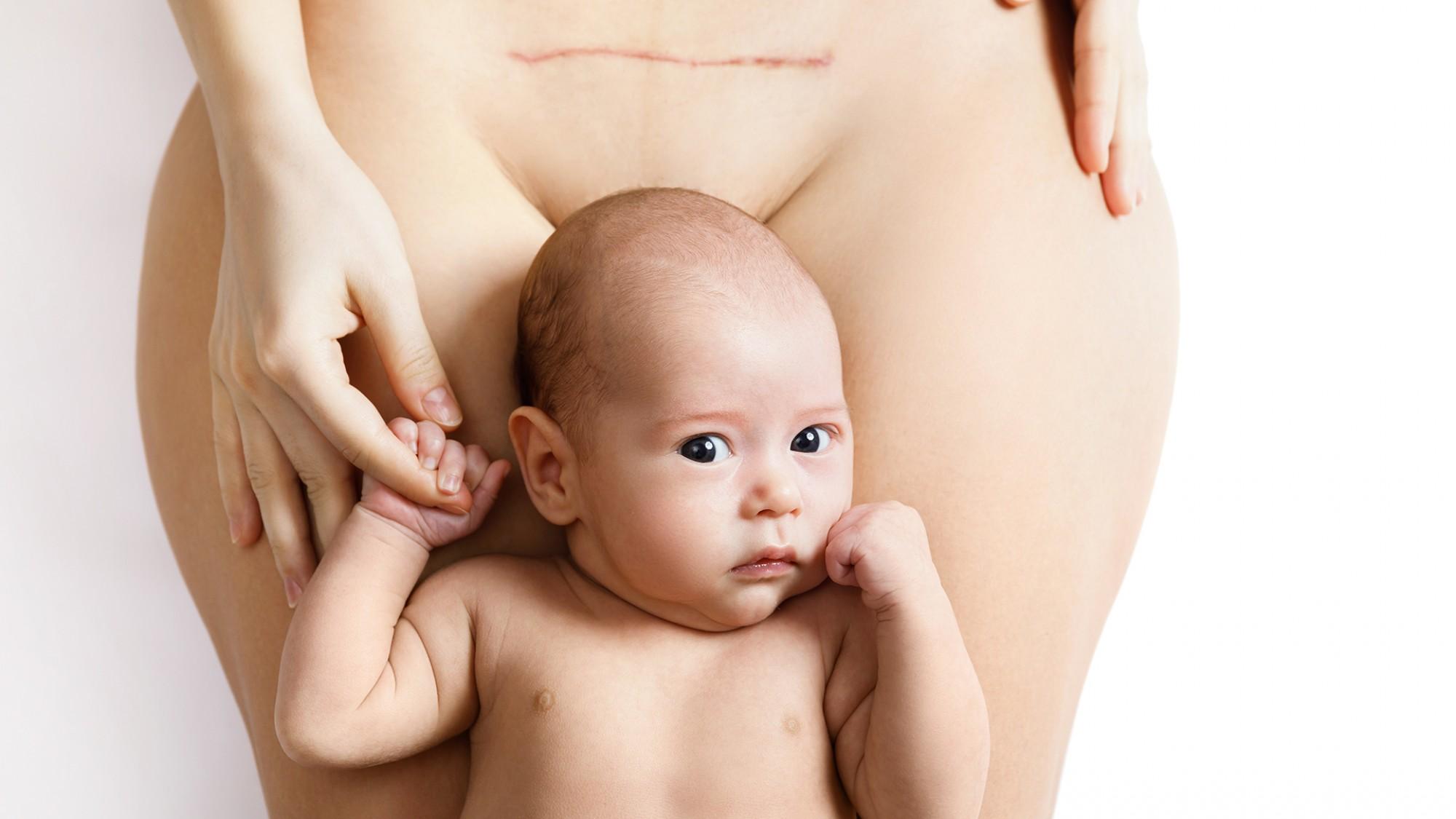
Cesarean section, by contrast, is a surgical procedure that involves delivering the baby through incisions in the abdomen and uterus. While sometimes portrayed as a “shortcut” or an easy way out, the reality is that C-sections are a vital medical intervention that can save the lives of both mother and child. They are performed when complications such as placenta previa, breech positioning, multiple pregnancies, stalled labor, or fetal distress threaten the safety of delivery. For women with certain health conditions like severe hypertension or gestational diabetes, a planned cesarean may be the safest course. In these situations, the surgery is not an option but a necessity, carried out with precision and preparation.
Despite their importance, cesarean sections carry their own risks. Recovery typically takes longer, with mothers spending more time in the hospital and facing potential challenges such as infection, scarring, or delayed breastfeeding. But advances in surgical techniques, anesthesia, and post-operative care in the UAE have significantly reduced these risks. Hospitals in Dubai are equipped with modern operating theaters, infection-control protocols, and enhanced recovery programs that help mothers heal quickly and return to normal life with their babies sooner than ever before.
Much of the confusion around childbirth stems from myths that continue to circulate. Many women are told that once they have a C-section, they can never give birth naturally again. This is simply not true. Under the guidance of skilled obstetricians, many women are excellent candidates for a vaginal birth after cesarean (VBAC). Another myth is that vaginal delivery leaves lasting damage to the body. While pelvic floor weakness can occur, postpartum physiotherapy and guided exercises often restore strength fully. On the other side, some women believe cesareans are always safer. In fact, for low-risk pregnancies, vaginal delivery remains the preferred option because it avoids surgical risks and speeds recovery. The truth is that each method carries advantages and challenges, and neither should be judged in isolation.
What makes Dubai unique is the way hospitals guide women through this decision-making process. Obstetricians here rely on detailed prenatal screenings, advanced ultrasound imaging, and maternal-fetal medicine expertise to determine the safest delivery plan. Expectant mothers are counseled with clear explanations, not pressured into one option or the other. This patient-centered approach ensures that the choice is not based on fear or myth, but on what is medically appropriate for the mother and child. Some hospitals even provide childbirth classes where both options are explained in detail, helping families prepare emotionally and practically for the birth.
For many women, culture and family expectations also influence perceptions about childbirth. In some communities, cesareans are viewed as unnecessary, while in others, they are considered preferable. Dubai’s multicultural society means that doctors here often navigate not just medical facts, but also personal beliefs. By fostering open discussions, they help women feel respected and understood while keeping safety at the forefront.
Ultimately, childbirth is not a competition between two methods. Both vaginal delivery and cesarean section are tools in the obstetrician’s hands, each valuable in its own way. What matters is the outcome: a healthy mother and a healthy baby. The key is individualized care, recognizing that no two pregnancies are alike and that decisions must be tailored to each family’s circumstances. In the UAE, with its state-of-the-art maternity wards, experienced doctors, and supportive nursing teams, women can enter labor with confidence that whatever path their delivery takes, they will be cared for with expertise and compassion.
For mothers-to-be, the message is simple. Don’t be swayed by myths or fearful stories. Ask questions, trust your medical team, and remember that both cesarean and normal deliveries are valid, safe options when performed under the right conditions. At the end of the day, what matters most is not how your baby enters the world, but that both of you are safe, healthy, and ready to begin the next chapter together.
Recent Posts




 04 406 3000
  04 406 3000
Quick Links
Legal
Working Hours
-
Out-patient Department
Monday to Saturday | 8 AM to 9 PM
Sunday | 10 AM to 6 PM
Emergency Department & Pharmacy | 24x7
Connect with us!




©2026 IMH. All Rights Reserved. Ministry of Health License No : TEBMJIU0-060622