

Cervical Cancer Prevention – Screening and Early Detection Save Lives
Cervical Cancer Prevention – Screening and Early Detection Save Lives
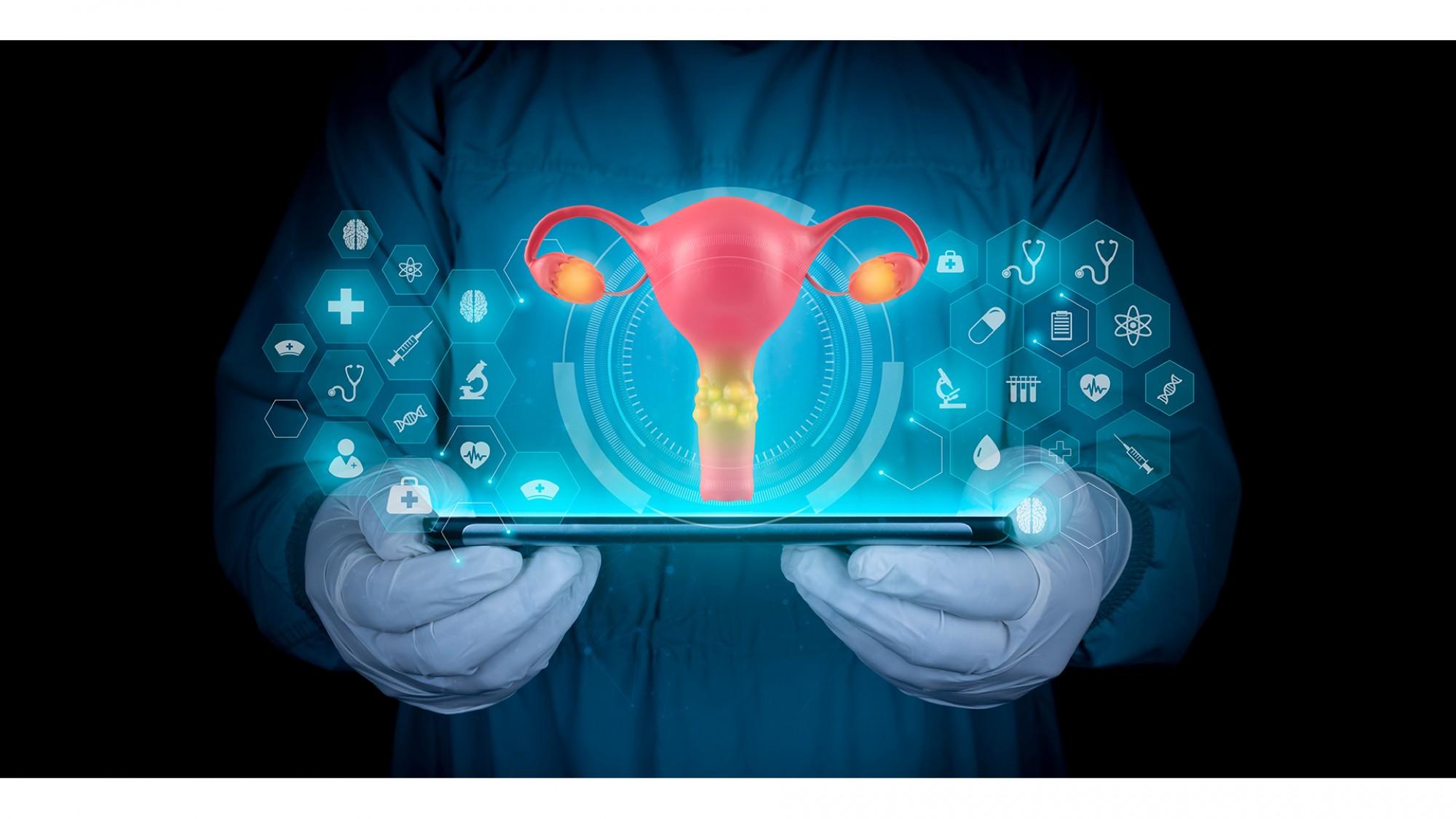
Cervical Cancer Prevention – Screening and Early Detection Save Lives
Cervical cancer is one of the few cancers that is almost entirely preventable, yet it remains one of the most common cancers affecting women worldwide. Every year, thousands of lives are lost to a disease that can be caught early through routine screening and prevented through vaccination. In Dubai and across the UAE, where advanced healthcare is readily available, the tragedy lies not in lack of medical resources but often in lack of awareness. Too many women still miss their screening appointments, hesitate to ask about HPV vaccination, or assume they are not at risk. By shining a light on prevention, the conversation about cervical cancer can change from one of fear to one of empowerment.
At its core, cervical cancer develops when cells in the cervix, the lower part of the uterus, grow abnormally, usually due to persistent infection with the human papillomavirus (HPV). Most HPV infections clear on their own, but in some cases, they cause changes that, over time, may progress to cancer. Because this progression is slow, it provides a critical window of opportunity: regular screening can detect precancerous changes long before they become life-threatening. Pap smears and HPV tests are the cornerstones of this prevention strategy, and they have been proven to dramatically reduce cervical cancer deaths in countries where they are widely practiced.
In the UAE, health authorities recommend that women begin Pap smears at age 21 and repeat them every three years, or more frequently if risk factors are present. For women over 30, combining Pap smears with HPV testing provides even greater accuracy. Yet despite these clear guidelines, many women skip screening altogether. Some are embarrassed, others fear the results, and many simply underestimate the importance of routine gynecological care. In cultures where reproductive health is a sensitive subject, even educated women sometimes delay screening, not realizing the risks of waiting.
The HPV vaccine adds another layer of protection. Safe and effective, it prevents infection with the high-risk strains of HPV most likely to cause cervical cancer. Ideally administered before exposure to the virus, the vaccine is recommended for girls and boys in their early teens, though women up to age 45 can still benefit. In Dubai, the vaccine is available at both public and private healthcare facilities, but uptake has been slower than expected due to stigma, misinformation, or lack of awareness. Too often, parents hesitate because they believe their children are not at risk, or they misunderstand the vaccine as being linked solely to sexual activity rather than cancer prevention.
Early detection is not only about preventing death; it is also about preserving quality of life. When cervical cancer is caught at an early stage, treatment is often straightforward, involving minor procedures to remove precancerous cells. Left unchecked, however, the disease can spread, requiring surgery, radiation, or chemotherapy, all of which carry physical and emotional tolls. Women diagnosed late may face infertility, chronic health issues, or even shortened lives. The difference between these two outcomes often comes down to a simple test that takes only a few minutes.
In Dubai’s hospitals, awareness campaigns are beginning to shift the narrative. Gynecologists emphasize that Pap smears are quick, usually painless, and vital for every woman’s health. Multilingual staff ensure that women from diverse backgrounds understand the importance of screening, and more clinics are integrating cervical screening into routine check-ups to make it less intimidating. During Cervical Cancer Awareness Month in January, health facilities across the UAE often run campaigns offering discounted or free Pap smears, helping normalize the practice and reach more women.
Beyond the clinic, education plays a critical role. Schools that introduce HPV vaccination as part of health programs, workplaces that encourage women to prioritize screenings, and media campaigns that highlight survivor stories all contribute to breaking stigma. When women hear their peers talking openly about Pap smears or vaccinations, they are more likely to see them as routine rather than taboo.
The emotional aspect of prevention should not be overlooked either. Many women avoid screening because they fear judgment, especially if they are unmarried. Others fear the possibility of a cancer diagnosis. Healthcare providers in Dubai are increasingly sensitive to these concerns, offering private, respectful consultations and counseling to reassure patients. By framing cervical screening as a universal part of preventive care, much like checking blood pressure or cholesterol, the fear and stigma can be reduced.
The broader impact of prevention extends to families and society. A mother’s health is central to her family’s stability. By preventing cervical cancer, we are not just protecting women; we are protecting children from losing mothers, partners from losing companions, and communities from losing leaders. The ripple effect of one simple test or one preventive vaccine is immeasurable.
The truth is that no woman should have to suffer or die from cervical cancer in a country like the UAE, where healthcare standards are among the best in the world. The tools are here — Pap smears, HPV testing, vaccination, and advanced treatments when needed. What is required now is awareness, accessibility, and a cultural shift toward open conversations about women’s health.
For every woman in Dubai wondering whether her next check-up can wait, the answer is clear: prevention cannot wait. Cervical cancer is not inevitable. It is preventable, treatable, and, with early action, often avoidable altogether. By taking small steps, booking a Pap smear, asking about the HPV vaccine, and encouraging a friend or daughter to do the same, women can change the story from one of fear to one of strength.
The message is simple: cervical cancer is preventable, and early detection saves lives. In the UAE, where healthcare meets cultural sensitivity and global expertise, women have everything they need to protect themselves. What matters now is choosing to act.
Recent Posts





 04 406 3000
  04 406 3000
Quick Links
Legal
Working Hours
-
Out-patient Department
Monday to Saturday | 8 AM to 9 PM
Sunday | 10 AM to 6 PM
Emergency Department & Pharmacy | 24x7
Connect with us!




©2026 IMH. All Rights Reserved. Ministry of Health License No : TEBMJIU0-060622