

Cataracts After 40 Why Early Detection Protects Your Vision
Cataracts After 40 Why Early Detection Protects Your Vision
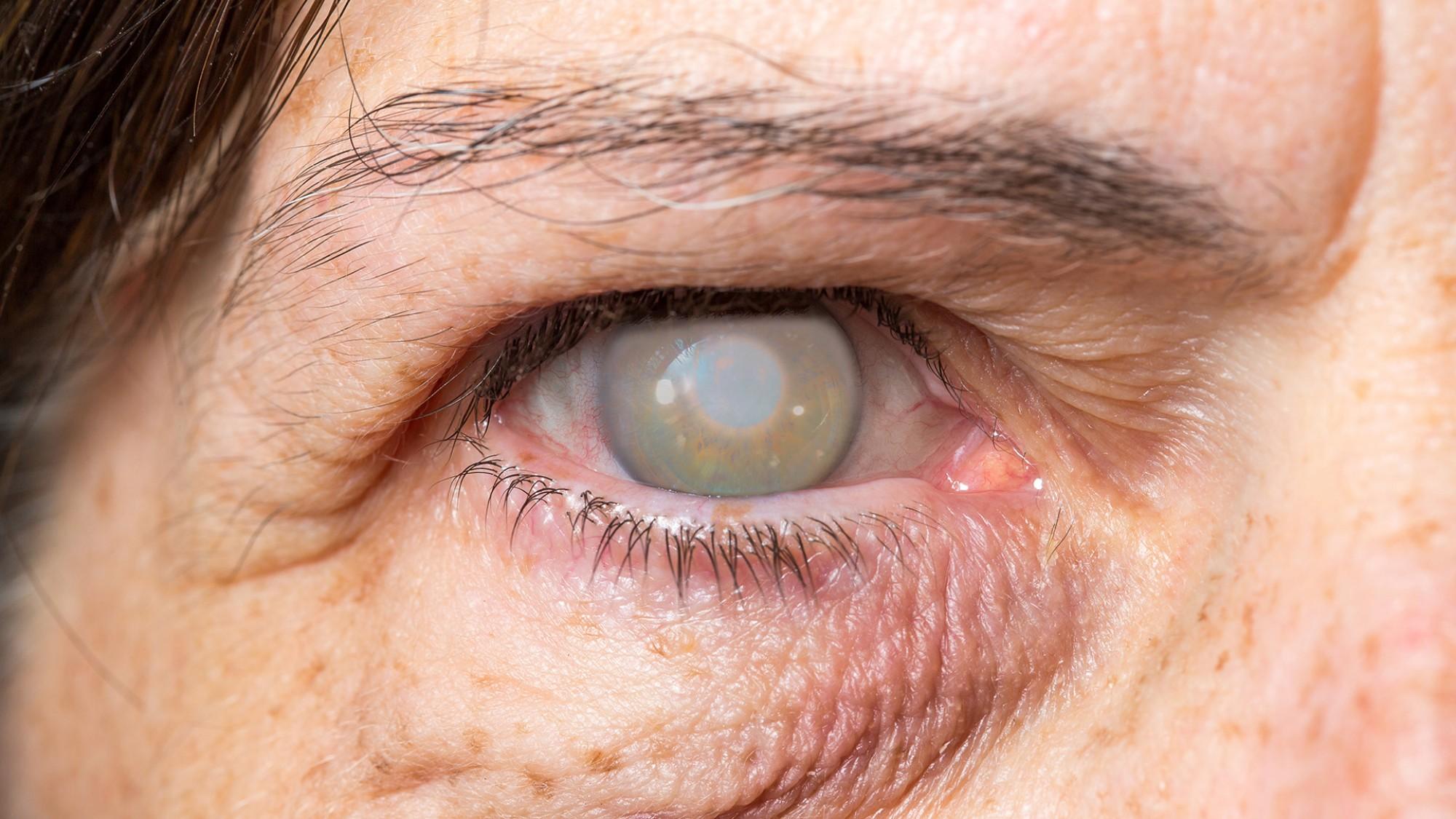
Cataracts After 40: Why Early Detection Protects Your Vision
For many adults in the UAE, cataracts seem like a far-off concern—something associated only with old age or grandparents. But eye specialists today are seeing cataracts appear earlier than ever, often beginning in the early 40s and gradually progressing over the next decade. In Dubai, where intense sunlight, lifestyle stress, long driving hours, and higher rates of diabetes are common, cataract formation can accelerate well before people expect it. What makes this condition especially important to understand is that cataracts develop slowly and silently; by the time vision noticeably changes, the lens may already be significantly clouded. Early detection through routine eye examinations is one of the most powerful ways to protect long-term vision and maintain quality of life.
A cataract occurs when the natural lens inside the eye becomes cloudy, making it harder for light to pass through. This leads to blurred vision, faded colors, difficulty driving at night, and trouble reading even with new glasses. Unlike sudden eye problems, cataracts often progress gradually. Many people adapt subconsciously—squinting more, increasing screen brightness, or assuming their glasses need updating—without realizing the true cause. While aging is the most common factor, several contributors make cataracts more likely to occur earlier in life. In the UAE, prolonged UV exposure is a significant concern, as sunlight is one of the strongest accelerators of lens aging. A lack of sunglasses, outdoor work, and frequent driving can all add to the risk. Medical conditions such as diabetes and hypertension also increase the likelihood, as do smoking, certain medications, and even genetics.
One of the reasons cataracts go unnoticed in their early stages is that the lens does not become cloudy all at once. Instead, small protein changes begin to clump over time, causing mild visual disturbances that many people dismiss as fatigue or normal aging. Some may notice halos around lights in the evening, increased sensitivity to glare, or the feeling that printed text is less sharp than before. Others experience rapid changes in eyeglass prescriptions. These subtle clues are often overlooked until the symptoms begin to interfere with everyday tasks. By this stage, the cataract is usually well-developed. This is why specialists strongly recommend routine eye examinations after the age of 40, even for individuals with no symptoms.
A comprehensive eye exam can detect cataracts long before they disrupt daily life. Advanced imaging allows ophthalmologists to evaluate the clarity of the lens, assess how quickly the cataract is likely to progress, and identify any associated conditions that may require attention. Early detection also gives patients time to make lifestyle changes that slow progression, such as improving blood sugar control, reducing sun exposure, or reviewing medications that may contribute to early lens clouding. Just as importantly, identifying cataracts early helps doctors monitor how the condition affects vision over time and plan treatment at the right stage.
Contrary to common belief, cataracts do not need to be “ripe” or extremely advanced before treatment. In fact, many people today choose cataract surgery when the condition begins to impact their quality of life—whether that means struggling with night driving, needing brighter lights to read, or feeling less confident during daily tasks. Modern cataract surgery is one of the safest and most successful procedures in medicine. It involves removing the cloudy lens and replacing it with a clear artificial one, restoring sharpness and vibrancy to vision. With advanced lens options available in Dubai, patients can even reduce their dependence on glasses for distance, near, or both.
Surgery is not the only part of cataract care. Good management also includes understanding how the condition interacts with other aspects of health. For example, people with diabetes may experience faster cataract progression and need more frequent screening. Individuals working outdoors should prioritize UV protection. Those with a family history of early cataracts should be screened earlier. During Ramadan, changes in hydration, sleeping patterns, and medication timing may influence symptoms, particularly for older adults. These considerations make personalized care essential—and they highlight the value of routine ophthalmology check-ups instead of reactive visits only when vision becomes noticeably blurred.
Another important reason to detect cataracts early is to differentiate them from other conditions that cause similar symptoms. Blurred vision, light sensitivity, and difficulty driving at night may also occur in glaucoma, macular degeneration, and diabetic eye disease. An ophthalmologist can determine the exact source of the problem and ensure the right treatment pathway. Early diagnosis not only prevents complications but also preserves visual confidence. Many people underestimate how much clear vision affects safety, independence, work performance, and quality of life—even small declines can have a substantial impact.
It is also worth noting that cataract surgery today is a far better experience than it was years ago. With modern technology, the procedure is quick, minimally invasive, and performed under local anesthesia. Recovery is usually smooth, and most patients notice improvement within days. The ability to choose advanced intraocular lenses means that cataract surgery is not just about removing cloudiness—it’s an opportunity to customize vision. For many adults over 40, especially those who have worn glasses for years, cataract surgery becomes both a medical treatment and a lifestyle enhancement.
Ultimately, protecting your eyes means being proactive rather than reactive. Many people believe they will “know” when their vision is declining, but cataracts rarely announce themselves clearly. Regular check-ups after age 40 provide reassurance, early detection, and timely treatment—all of which preserve long-term eye health. In a city like Dubai, where access to advanced ophthalmic care is readily available, there is no reason to allow cataracts to compromise daily life.
Cataracts may be part of the natural aging process, but vision loss does not have to be. With awareness, preventive care, and early detection, adults can maintain clear, vibrant vision well into the future. Your eyes are remarkable—and they deserve attention long before problems arise.
Recent Posts





 04 406 3000
  04 406 3000
Quick Links
Legal
Working Hours
-
Out-patient Department
Monday to Saturday | 8 AM to 9 PM
Sunday | 10 AM to 6 PM
Emergency Department & Pharmacy | 24x7
Connect with us!




©2026 IMH. All Rights Reserved. Ministry of Health License No : TEBMJIU0-060622