

Can Colon Conditions Be Treated Without a Big Scar? Laparoscopy Says Yes
Can Colon Conditions Be Treated Without a Big Scar? Laparoscopy Says Yes
Can Colon Conditions Be Treated Without a Big Scar? Laparoscopy Says Yes
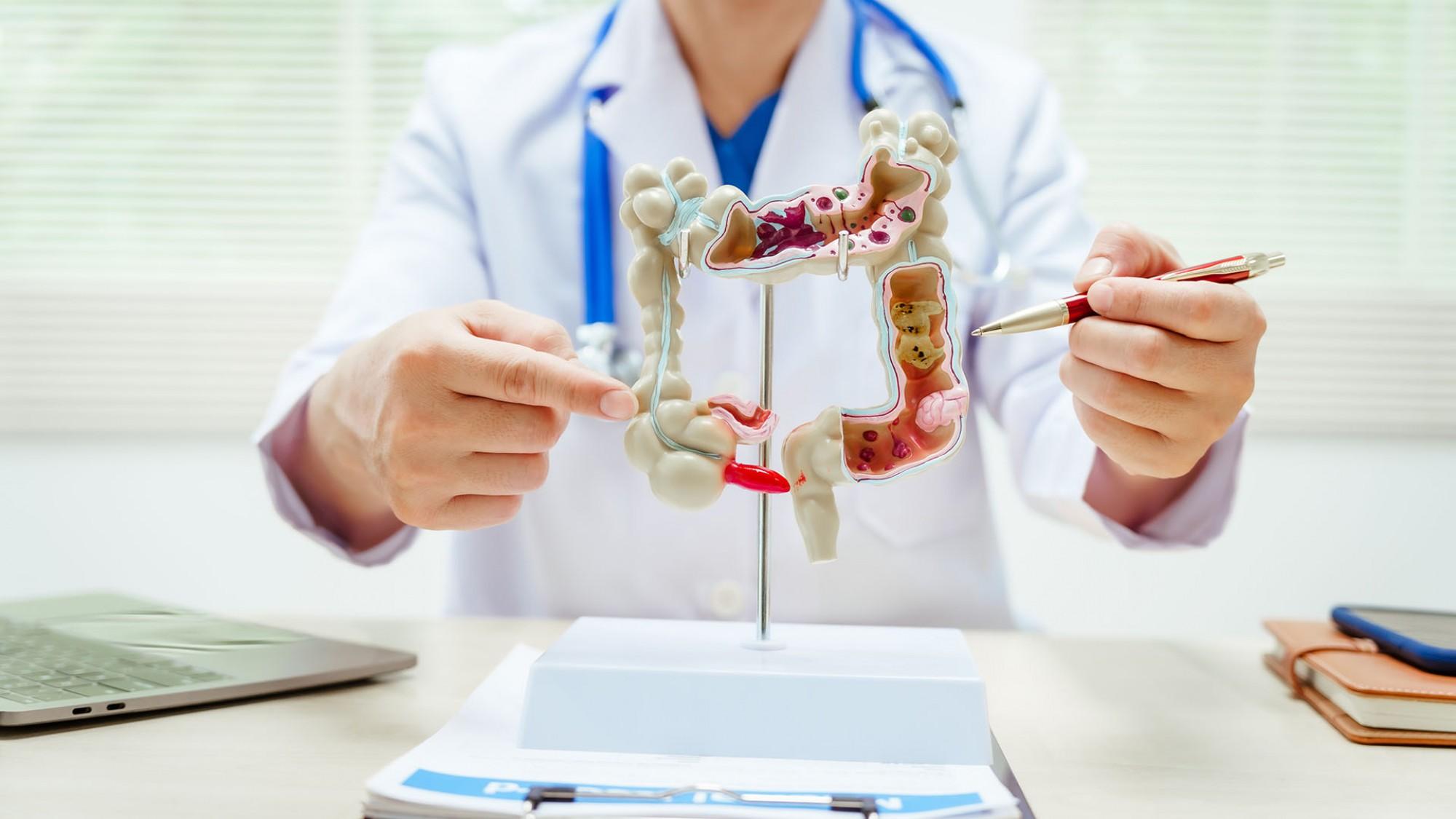
For decades, surgeries to treat colon-related conditions involved large incisions, longer hospital stays, and visible scars. Today, however, laparoscopic surgery, often referred to as keyhole surgery, is transforming how we treat serious colon diseases such as diverticulitis, colorectal cancer, and inflammatory bowel diseases. Through small incisions and advanced tools, laparoscopic procedures like colectomy, hemicolectomy, and laparoscopic appendectomy offer faster recovery, less pain, and, yes, no big scars.
Understanding Laparoscopy in Colon Surgery
Laparoscopy, or laparoscopic surgery, uses tiny instruments and a high-definition camera inserted through small incisions in the abdomen. Surgeons use this approach for many abdominal surgeries, including gastrectomy, appendectomy, and laparoscopic cholecystectomy. It’s particularly beneficial in colon conditions where precision and a quick recovery are essential.
Unlike traditional open surgery, where incisions can be 6 to 12 inches long, laparoscopic colon surgeries often use incisions that are less than 1 cm in length just enough to fit the tools and the camera.
What Colon Conditions Can Be Treated Laparoscopically?
If you’re dealing with:
-
Colorectal cancer
-
Diverticulitis
-
Crohn’s disease
-
Ulcerative colitis
-
Colon polyps
-
Obstruction or perforation
You may be a candidate for laparoscopic colectomy, hemicolectomy, or laparoscopic appendectomy, depending on the location and severity of your condition.
In some cases, surgeons also perform diagnostic laparoscopy to evaluate the abdomen before committing to a more involved procedure.
Key Benefits of Laparoscopic Colon Surgery
-
Minimally invasive – Less trauma to the abdominal wall
-
Minimal scarring – Only small, nearly invisible incisions
-
Faster healing – Reduced appendectomy recovery time or colectomy recovery time
-
Shorter hospital stays – Often discharged within 2–3 days
-
Less pain – Lower need for pain medications
-
Lower risk of infection – Especially in immunocompromised patients
Common Procedures
Here are some of the most commonly performed laparoscopic colon surgeries:
-
Laparoscopic Colectomy – Removal of part of the colon, typically done in cases of cancer or diverticulitis.
-
Hemi Colectomy – Removal of either the right or left portion of the colon.
-
Appendectomy – In cases of appendicitis, laparoscopic appendectomy or laparoscopic appendectomy is now the standard of care.
All of these are performed under general anesthesia and have a recovery period that’s much shorter than traditional open procedures.
What to Expect During Recovery
If you’re undergoing a laparoscopic colectomy, laparoscopic cholecystectomy, or appendix removal, you’ll likely spend a day or two in the hospital for monitoring. You may experience some bloating or discomfort initially, but most patients resume normal eating within days and light activities within a week or two.
Those undergoing appendectomy surgery or laparoscopic appendectomy for ruptured appendicitis may require longer rest. However, laparoscopic surgery almost always means faster recovery than open surgery, fewer complications, and better cosmetic outcomes.
When Is Laparoscopy Not Suitable?
Not all patients are candidates. If there is severe infection, significant adhesions from prior surgeries, or late-stage cancer, an open approach may still be necessary. That said, more than 70% of colon surgeries today are performed laparoscopically when expertise and technology are available.
Gone are the days when treating colon conditions meant a large scar and weeks of recovery. Laparoscopic surgery has changed everything — from appendicitis treatment and colectomy to even complex procedures like laparoscopic salpingectomy or gastrectomy.
So, if you're scheduled for a colon procedure, ask your general surgeon about laparoscopic options. Whether it's for an appendix operation, lap cholecystectomy, or colon cancer, laparoscopy offers a safer, smarter, and scar-free way to heal.
Recent Posts



 04 406 3000
  04 406 3000
Quick Links
Legal
Working Hours
-
Out-patient Department
Monday to Saturday | 8 AM to 9 PM
Sunday | 10 AM to 6 PM
Emergency Department & Pharmacy | 24x7
Connect with us!




©2026 IMH. All Rights Reserved. Ministry of Health License No : TEBMJIU0-060622