

Blue Light & Digital Eye Strain: How Screens Are Changing Our Vision
Blue Light & Digital Eye Strain: How Screens Are Changing Our Vision
Blue Light & Digital Eye Strain: How Screens Are Changing Our Vision
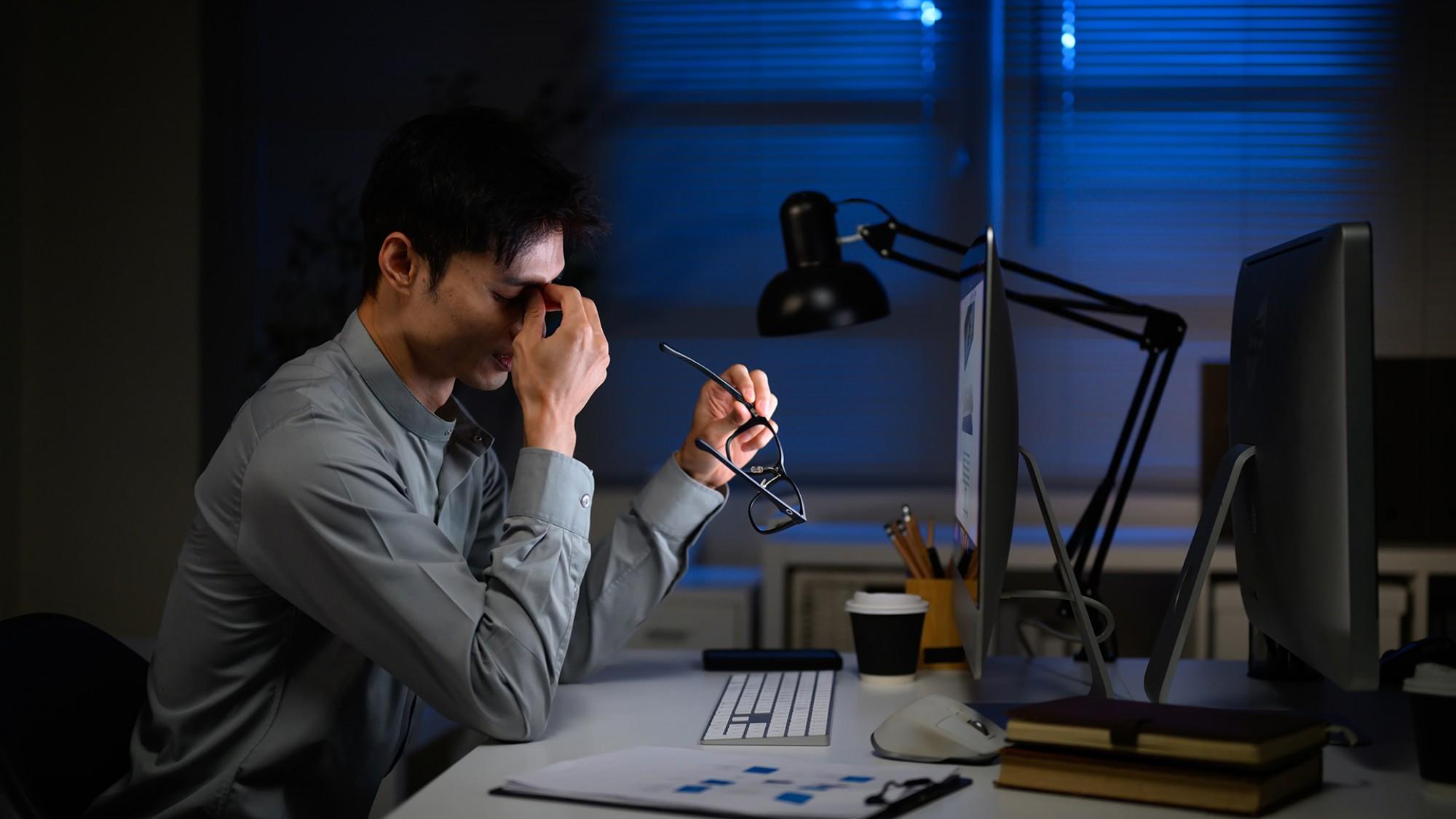
Screens have become part of nearly every aspect of modern life—from work and education to entertainment, social connection, and daily communication. In Dubai, where digital adoption is exceptionally high, many residents spend more than 8–10 hours a day on devices. This prolonged screen exposure has contributed to a rise in digital eye strain, a condition that affects focus, comfort, and overall productivity. Understanding how blue light and digital habits impact vision is essential for maintaining long-term eye health.
Two main factors drive digital eye strain: prolonged near focusing and reduced blinking. When staring at screens, people blink less frequently—sometimes up to 50% less than normal. The reduced blink rate causes tears to evaporate quickly, leading to dryness, irritation, and fluctuating vision. Bright screens, small text, and extended video conferencing sessions add additional strain.
Blue light, emitted from digital screens, is another concern. While blue light does not damage the eyes directly, it contributes to fatigue, glare, and disrupted sleep patterns. Excessive evening exposure suppresses melatonin production, making it harder for individuals in Dubai’s fast-paced lifestyle to sleep well. Poor sleep further worsens visual discomfort, creating a cycle of fatigue and strain.
Symptoms of digital eye strain include headaches, blurred vision, dry eyes, difficulty focusing, burning sensation, and neck or shoulder pain. Many people assume these symptoms are part of daily life and simply push through them. But over time, unaddressed strain affects productivity, reading ability, and overall visual performance.
Managing digital eye strain involves both behavioral and environmental strategies. The 20-20-20 rule is a widely recommended method: every 20 minutes, look 20 feet away for 20 seconds. This helps relax eye muscles and restore blinking patterns. Proper lighting and ergonomic adjustments also make a huge difference—reducing glare, positioning screens at or below eye level, and maintaining proper distance (about an arm’s length) all reduce strain.
Hydration and lubricating eye drops support tear stability. In offices with strong air conditioning, small humidifiers help maintain moisture. For individuals who spend long hours on screens, blue-light filtering lenses or screen protectors may provide comfort, especially in the evening.
Children, who are increasingly exposed to digital learning, require additional attention. Digital eye strain can affect concentration, reading performance, and sleep patterns. Parents should encourage outdoor play, screen breaks, and healthy visual habits.
Digital screens are here to stay, but digital eye strain does not have to be. With awareness, small lifestyle adjustments, and proper eye care, residents in the UAE can protect their eyes and maintain comfort—whether at work, at home, or on the move.
Recent Posts





 04 406 3000
  04 406 3000
Quick Links
Legal
Working Hours
-
Out-patient Department
Monday to Saturday | 8 AM to 9 PM
Sunday | 10 AM to 6 PM
Emergency Department & Pharmacy | 24x7
Connect with us!




©2026 IMH. All Rights Reserved. Ministry of Health License No : TEBMJIU0-060622