

Bloating After Meals Normal or a Warning Sign
Bloating After Meals Normal or a Warning Sign
Bloating After Meals Normal or a Warning Sign
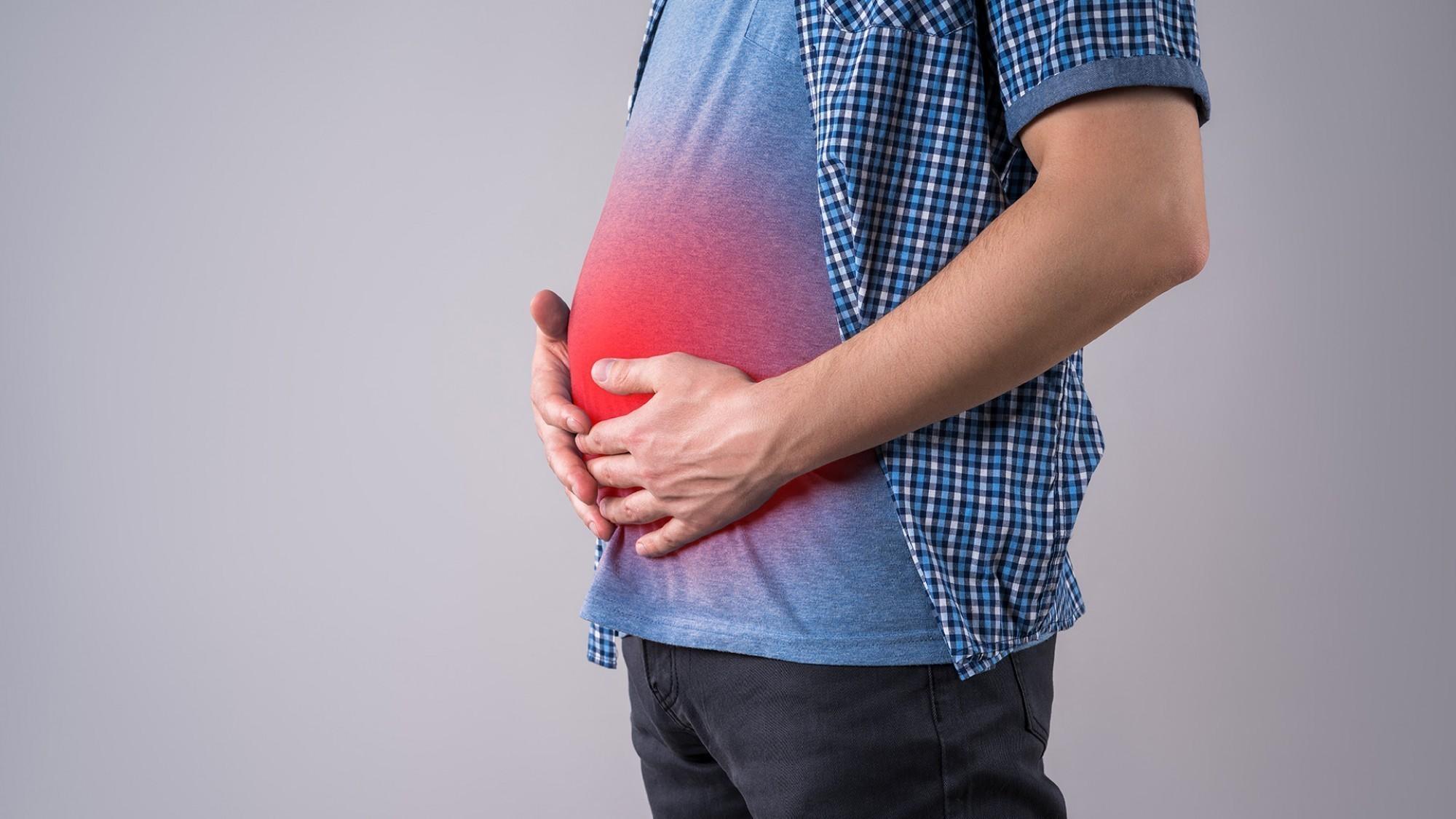
“Every evening after dinner, I feel like my stomach has turned into a balloon.”
That’s how Amal, a 34-year-old teacher, described her struggle when she first visited our gastroenterology clinic. At first, she brushed off her post-meal bloating as something everyone experiences. But when her trousers no longer fit comfortably, and the discomfort came with gas, abdominal cramps, and fatigue, she began to wonder: Is this normal, or is something wrong?
Her story is more common than you think. Let’s unpack what bloating after meals really means when it’s harmless, and when it’s a red flag.
Why Bloating Happens in the First Place
After a meal, it’s natural for the stomach to stretch slightly. Digestion involves breaking food into smaller particles, producing gas along the way. Occasional bloating is therefore normal, especially after a large or heavy meal.
But frequent bloating — especially if it comes with abdominal pain, changes in bowel movements, or heartburn — might signal an underlying digestive disorder.
Common Triggers of Bloating
• Gas-producing foods like beans, cabbage, onions, and carbonated drinks.
• Swallowing air by eating too quickly, chewing gum, or sipping through straws.
• Food intolerances such as lactose or gluten sensitivity.
• High FODMAP foods that ferment in the gut and cause excess gas in sensitive individuals.
For most people, these are harmless lifestyle triggers. But for others, persistent bloating is linked to conditions such as Irritable Bowel Syndrome (IBS), acid reflux, or even celiac disease.
When Bloating Becomes a Warning Sign
Amal’s bloating was not just occasional discomfort it was daily, painful, and affecting her quality of life. That’s a sign to see a specialist.
You should seek medical advice if bloating is accompanied by:
• Unexplained weight loss
• Persistent diarrhea or constipation
• Blood in stool
• Severe abdominal pain
• Early satiety (feeling full too quickly)
These could indicate more serious problems like gastric ulcers, inflammatory bowel disease, or even gastrointestinal cancers.
How We Diagnose the Cause of Bloating
At our gastroenterology department, we take a structured approach:
1. Detailed history – diet, lifestyle, stress levels, and symptom patterns.
2. Investigations – blood tests, ultrasound, and sometimes advanced endoscopic procedures like gastroscopy or colonoscopy.
3. Dietary trials – such as a low FODMAP diet or elimination diet to identify triggers.
This holistic evaluation helps us separate simple bloating from warning signs.
Treatments That Work
For Amal, the diagnosis was Irritable Bowel Syndrome (IBS) with food triggers. She was guided through:
• A low FODMAP diet, which reduced fermentation in her gut.
• Stress management techniques, as IBS is often worsened by anxiety.
• Gentle exercise, which aids digestion and prevents gas buildup.
• Occasional use of probiotics and safe bloating remedies.
Within six weeks, her evening “balloon stomach” episodes became rare, and her energy levels improved.
Home Remedies vs. Medical Help
Yes, home remedies for bloating — like herbal teas, abdominal massages, and avoiding carbonated drinks — can help mild cases. But when symptoms are persistent, painful, or worsening, professional care is the safer option.
Remember, bloating is often brushed off as “just gas,” but in some cases, it’s the body’s way of warning you that something deeper is happening.
Occasional bloating after meals is part of normal digestion. But if your stomach feels distended every day, if clothes feel tighter, or if bloating comes with other worrisome symptoms, it’s time to speak to a gastroenterologist.
Don’t ignore your gut feelings — literally. Bloating may start as a nuisance, but it can uncover conditions that need timely care.
Recent Posts




 04 406 3000
  04 406 3000
Quick Links
Legal
Working Hours
-
Out-patient Department
Monday to Saturday | 8 AM to 9 PM
Sunday | 10 AM to 6 PM
Emergency Department & Pharmacy | 24x7
Connect with us!




©2026 IMH. All Rights Reserved. Ministry of Health License No : TEBMJIU0-060622