

Vasopressor Therapy (e.g., Norepinephrine)
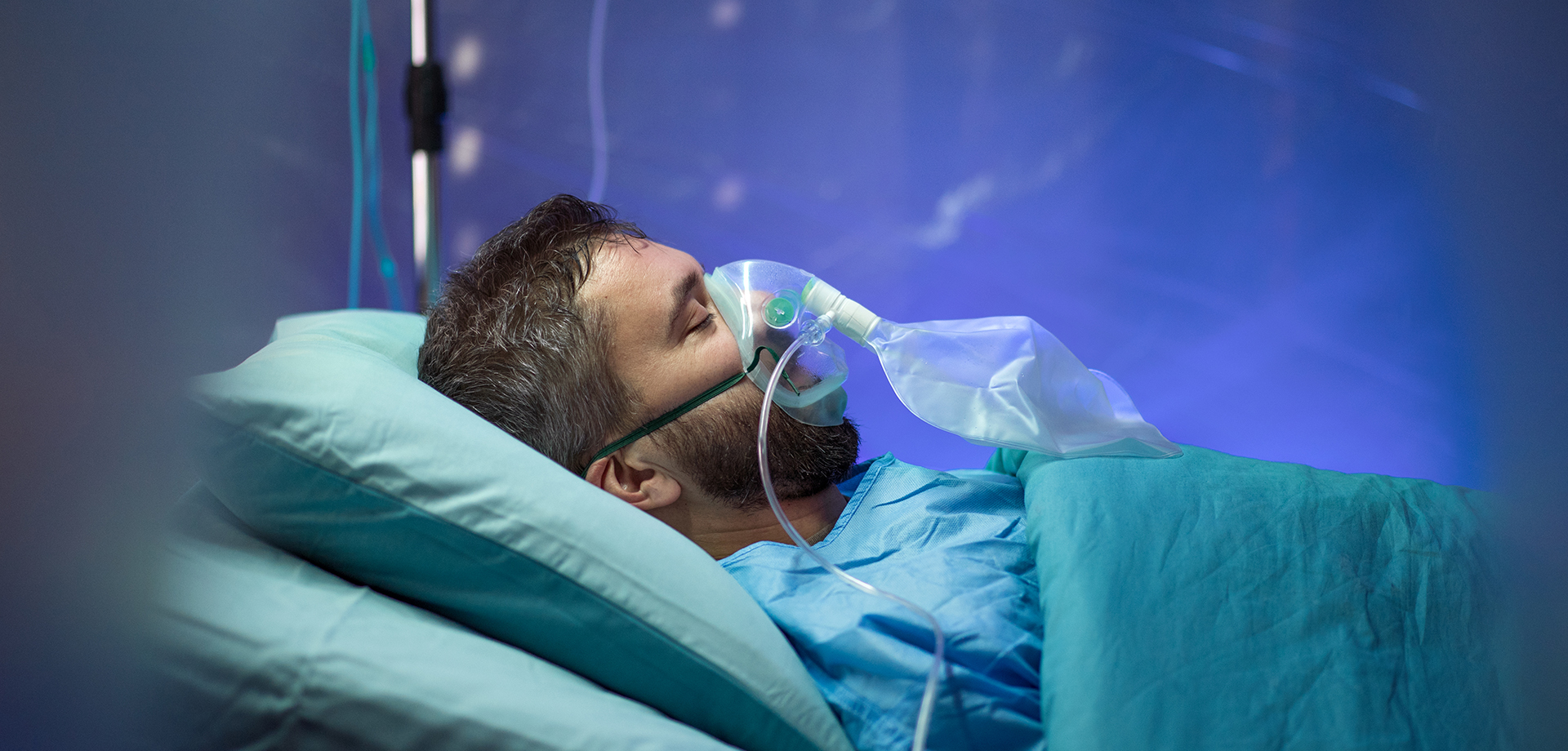
Vasopressor therapy is a fundamental component of intensive care management for patients with life-threatening hypotension and circulatory shock. Vasopressors are medications that constrict blood vessels and increase systemic vascular resistance, thereby raising arterial blood pressure and ensuring adequate perfusion of vital organs such as the brain, heart, and kidneys. These agents are most commonly used in septic shock but are also essential in cardiogenic shock, neurogenic shock, and other states of profound circulatory failure.
Norepinephrine is the first-line vasopressor in most forms of shock, particularly septic shock, due to its potent alpha-adrenergic effects and favorable safety profile. By stimulating alpha-1 receptors, norepinephrine causes vasoconstriction, increasing blood pressure without significantly increasing heart rate. It also has modest beta-1 effects that can support cardiac output in selected patients. Other vasopressors, such as vasopressin, epinephrine, dopamine, or phenylephrine, may be added or substituted based on the clinical scenario and patient response.
Indications for vasopressor therapy include persistent hypotension despite adequate fluid resuscitation, signs of impaired organ perfusion, and shock states confirmed by clinical assessment and laboratory parameters. Before initiation, clinicians aim to optimize intravascular volume, as vasopressors administered in the setting of hypovolemia can worsen tissue ischemia. Once indicated, vasopressors are started promptly to prevent progression to multi-organ failure.
Vasopressors are administered via continuous intravenous infusion, preferably through a central venous catheter to reduce the risk of tissue injury from extravasation. Precise dosing is achieved using infusion pumps, and therapy is titrated to achieve target mean arterial pressure (MAP), commonly ?65 mmHg, though individualized targets may be required for patients with chronic hypertension or specific comorbidities.
Continuous monitoring is essential during vasopressor therapy. Blood pressure, heart rate, urine output, lactate levels, and organ function are closely observed. Arterial lines are frequently used to provide real-time blood pressure monitoring, allowing rapid dose adjustments. Potential complications include arrhythmias, excessive vasoconstriction leading to limb or organ ischemia, and metabolic disturbances.
Vasopressor therapy is a dynamic process rather than a static treatment. As the underlying cause of shock is addressed—through antibiotics, source control, revascularization, or supportive care—vasopressor doses are gradually reduced and discontinued. Early recognition, appropriate agent selection, and meticulous ICU monitoring are critical to improving survival and preventing complications associated with prolonged vasopressor use.
Norepinephrine is the first-line vasopressor in most forms of shock, particularly septic shock, due to its potent alpha-adrenergic effects and favorable safety profile. By stimulating alpha-1 receptors, norepinephrine causes vasoconstriction, increasing blood pressure without significantly increasing heart rate. It also has modest beta-1 effects that can support cardiac output in selected patients. Other vasopressors, such as vasopressin, epinephrine, dopamine, or phenylephrine, may be added or substituted based on the clinical scenario and patient response.
Indications for vasopressor therapy include persistent hypotension despite adequate fluid resuscitation, signs of impaired organ perfusion, and shock states confirmed by clinical assessment and laboratory parameters. Before initiation, clinicians aim to optimize intravascular volume, as vasopressors administered in the setting of hypovolemia can worsen tissue ischemia. Once indicated, vasopressors are started promptly to prevent progression to multi-organ failure.
Vasopressors are administered via continuous intravenous infusion, preferably through a central venous catheter to reduce the risk of tissue injury from extravasation. Precise dosing is achieved using infusion pumps, and therapy is titrated to achieve target mean arterial pressure (MAP), commonly ?65 mmHg, though individualized targets may be required for patients with chronic hypertension or specific comorbidities.
Continuous monitoring is essential during vasopressor therapy. Blood pressure, heart rate, urine output, lactate levels, and organ function are closely observed. Arterial lines are frequently used to provide real-time blood pressure monitoring, allowing rapid dose adjustments. Potential complications include arrhythmias, excessive vasoconstriction leading to limb or organ ischemia, and metabolic disturbances.
Vasopressor therapy is a dynamic process rather than a static treatment. As the underlying cause of shock is addressed—through antibiotics, source control, revascularization, or supportive care—vasopressor doses are gradually reduced and discontinued. Early recognition, appropriate agent selection, and meticulous ICU monitoring are critical to improving survival and preventing complications associated with prolonged vasopressor use.
Quick Contact
If you have any questions simply use the following contact details.

Working Hours
-
Out-patient Department
Monday to Saturday 08:00 AM - 09:00 PM
Sunday 10:00 AM - 06:00 PM
-
Emergency Department & Pharmacy
Sunday to Saturday 24x7



Book Appointments, Inquire, or Manage Your Care Easily – Get in Touch via
 04 406 3000
  04 406 3000
Quick Links
Legal
Working Hours
-
Out-patient Department
Monday to Saturday | 8 AM to 9 PM
Sunday | 10 AM to 6 PM
Emergency Department & Pharmacy | 24x7
Connect with us!




©2026 IMH. All Rights Reserved. Ministry of Health License No : TEBMJIU0-060622