

Varicose Vein Surgery
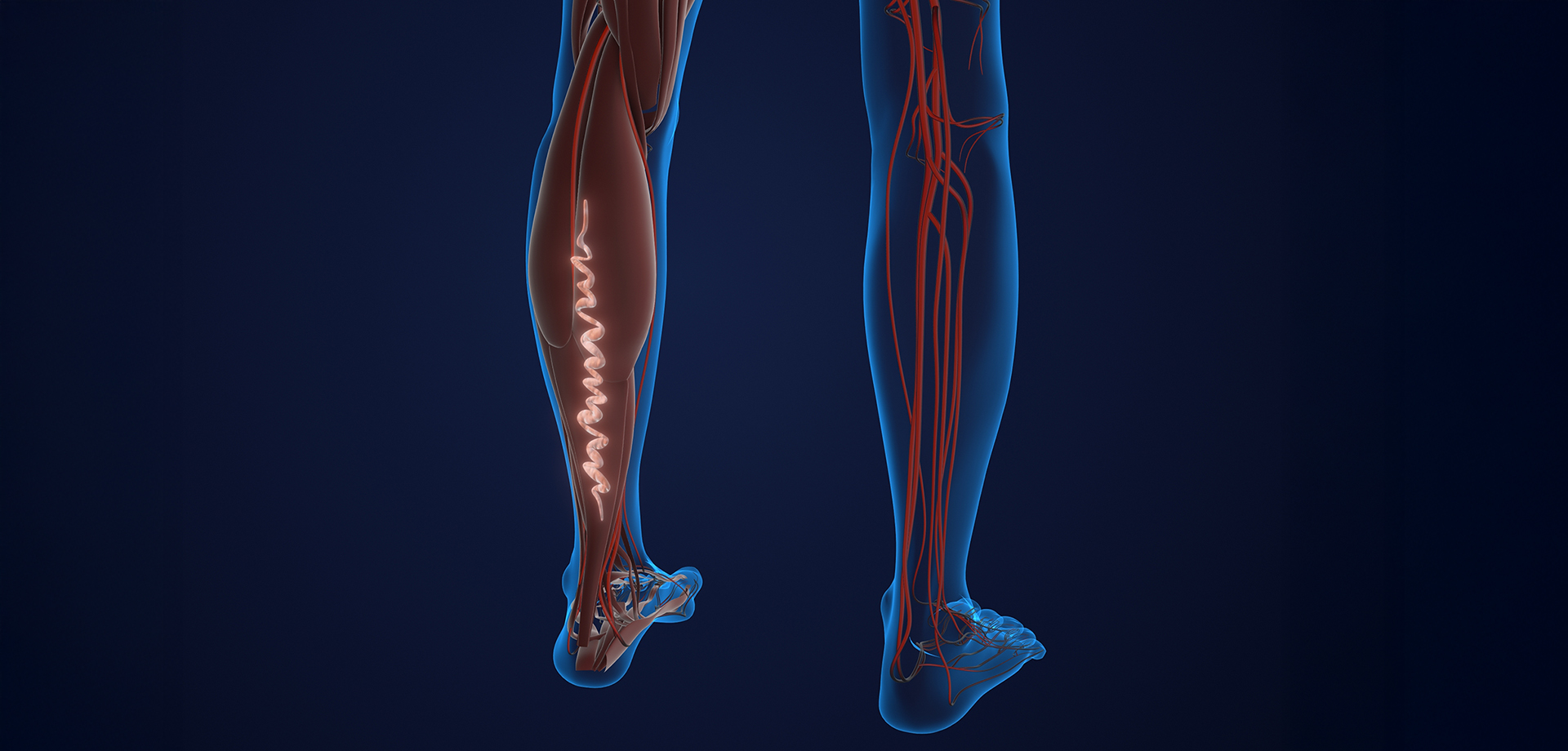
Varicose vein surgery is a well-established treatment for enlarged, twisted veins that commonly affect the legs due to faulty venous valves and impaired blood flow. Varicose veins are not only a cosmetic concern but can also cause significant symptoms and medical complications if left untreated. In the UAE, prolonged standing, sedentary lifestyles, obesity, and genetic predisposition contribute to a high prevalence of venous disease.
Varicose veins develop when the valves within leg veins fail to function properly, allowing blood to pool and veins to become dilated. Patients may experience aching pain, heaviness, swelling, itching, skin discoloration, or night cramps. In advanced cases, varicose veins can lead to skin ulcers, bleeding, thrombophlebitis, or chronic venous insufficiency, significantly affecting quality of life.
Varicose vein surgery is indicated in patients with symptomatic disease, progressive vein enlargement, skin changes, venous ulcers, or complications such as recurrent inflammation or bleeding. Prior to surgery, patients undergo a detailed vascular assessment, including duplex ultrasound, to evaluate vein anatomy, valve function, and blood flow patterns. This assessment guides treatment planning and ensures optimal outcomes.
Surgical treatment options for varicose veins have evolved significantly. Modern approaches emphasize minimally invasive techniques that effectively close or remove diseased veins while preserving healthy circulation. Procedures may include vein ligation and stripping, endovenous laser treatment, radiofrequency ablation, or phlebectomy. The choice of technique is individualized based on vein size, location, severity of disease, and patient factors.
Varicose vein surgery is typically performed under local, regional, or general anesthesia depending on the procedure and extent of treatment. Minimally invasive techniques allow treatment through small incisions or needle punctures, resulting in minimal scarring, reduced pain, and faster recovery. Many procedures are performed as day-care surgeries, allowing patients to return home the same day.
Following surgery, patients are encouraged to mobilize early and may be advised to wear compression stockings to support healing and improve circulation. Postoperative discomfort is usually mild and short-lived. Most individuals resume normal activities within a few days, although strenuous activity may be restricted temporarily.
Varicose vein surgery provides significant relief from symptoms, improves leg appearance, and prevents progression of venous disease. When performed using modern techniques and guided by accurate vascular assessment, it offers durable results, improved comfort, and enhanced long-term vascular health.
Varicose veins develop when the valves within leg veins fail to function properly, allowing blood to pool and veins to become dilated. Patients may experience aching pain, heaviness, swelling, itching, skin discoloration, or night cramps. In advanced cases, varicose veins can lead to skin ulcers, bleeding, thrombophlebitis, or chronic venous insufficiency, significantly affecting quality of life.
Varicose vein surgery is indicated in patients with symptomatic disease, progressive vein enlargement, skin changes, venous ulcers, or complications such as recurrent inflammation or bleeding. Prior to surgery, patients undergo a detailed vascular assessment, including duplex ultrasound, to evaluate vein anatomy, valve function, and blood flow patterns. This assessment guides treatment planning and ensures optimal outcomes.
Surgical treatment options for varicose veins have evolved significantly. Modern approaches emphasize minimally invasive techniques that effectively close or remove diseased veins while preserving healthy circulation. Procedures may include vein ligation and stripping, endovenous laser treatment, radiofrequency ablation, or phlebectomy. The choice of technique is individualized based on vein size, location, severity of disease, and patient factors.
Varicose vein surgery is typically performed under local, regional, or general anesthesia depending on the procedure and extent of treatment. Minimally invasive techniques allow treatment through small incisions or needle punctures, resulting in minimal scarring, reduced pain, and faster recovery. Many procedures are performed as day-care surgeries, allowing patients to return home the same day.
Following surgery, patients are encouraged to mobilize early and may be advised to wear compression stockings to support healing and improve circulation. Postoperative discomfort is usually mild and short-lived. Most individuals resume normal activities within a few days, although strenuous activity may be restricted temporarily.
Varicose vein surgery provides significant relief from symptoms, improves leg appearance, and prevents progression of venous disease. When performed using modern techniques and guided by accurate vascular assessment, it offers durable results, improved comfort, and enhanced long-term vascular health.
Quick Contact
If you have any questions simply use the following contact details.

Working Hours
-
Out-patient Department
Monday to Saturday 08:00 AM - 09:00 PM
Sunday 10:00 AM - 06:00 PM
-
Emergency Department & Pharmacy
Sunday to Saturday 24x7


Book Appointments, Inquire, or Manage Your Care Easily – Get in Touch via
 04 406 3000
  04 406 3000
Quick Links
Legal
Working Hours
-
Out-patient Department
Monday to Saturday | 8 AM to 9 PM
Sunday | 10 AM to 6 PM
Emergency Department & Pharmacy | 24x7
Connect with us!




©2026 IMH. All Rights Reserved. Ministry of Health License No : TEBMJIU0-060622